Month: March 2022

Internet-Based Patient Education Materials Regarding Diabetic Foot Ulcers: Readability and Quality Assessment

David Michael Lee, Elysia Grose, Karen Cross


While diabetic foot ulcers (DFU) are a common complication of diabetes, little is known about the content and readability of online patient education materials (PEM) for DFU. The recommended reading grade level for these materials is grades 6-8. The aim of this paper was to evaluate the quality and readability of online PEM on DFU … read more


If you find WoundCareWeekly.com of value please consider a monthly donation to help cover expenses and keep this website going.


The Importance of Standardization in Pressure Injury Risk Assessment

Pressure injuries are common among patients who experience extended exposure to pressure on a bony prominence or shear to areas of poor turgor, two factors that lead to constriction of a patient’s blood supply to the exposed area. A patient who is bedridden or has certain chronic conditions, such as diabetes,1 is more likely to develop a pressure injury. When mechanical force is imposed on the skin, it can result in poor blood flow and damage to the bone-muscle interface, thus making tissue sensitive and painful. For patients with limited mobility, this can be especially frustrating because they may not be able to adjust positions or medical equipment. If pressure injuries are left untreated or unnoticed, they can also become infected and even enter muscle and bone. Risk assessment tools are available to assess pressure injury risk and can work in tandem with practice standardization, thereby leading to effective treatment plans for practitioners and patients … read more


If you find WoundCareWeekly.com of value please consider a monthly donation to help cover expenses and keep this website going.


Applying a Silver-containing Dressing to the Incision Site and Its Effect on the Development

of Surgical Site Infection After Ostomy Closure: A Prospective Randomized Clinical Pilot Study


Tezcan Akin MD, Murat Kendirci MD, Ali Emre Akgün MD, Erdinç Çetinkaya MD, Sadettin Er MD, Merve Akin MD, Ahmet Çinar Yasti MD


Surgical site infections (SSIs) can occur after colorectal surgery. Ionic silver has been used to prevent the development of SSIs. New-generation dressings, defined as total occlusive ionic silver–containing dressings, have been shown to reduce bacterial colonization in SSIs. PURPOSE: To evalute the effect of a silver hydrofiber dressing on the development of SSIs at the abdominal incision after ostomy closure … read more


If you find WoundCareWeekly.com of value please consider a monthly donation to help cover expenses and keep this website going.


Trials of new gene therapy cure ‘butterfly children’ of open wounds that had not healed for years

An experimental treatment created by researchers at Stanford University uses an engineered herpes virus to start production of the missing collagen VII protein, which stops the epidermis and dermis from separating … A gene therapy applied directly to the skin has cured nine patients who were suffering from a rare disease that causes blistering, wounding and scarring as a result of even the lightest contact. Some lesions can remain open for years without closing … read more


If you find WoundCareWeekly.com of value please consider a monthly donation to help cover expenses and keep this website going.


Characteristics of Diabetic Foot Ulcer Patients Pre- and During COVID-19 Pandemic

Lessons Learnt From a National Referral Hospital in Indonesia


Abstract
Background: Diabetic foot ulcer (DFU) is one of the most terrifying diabetic complications for patients, due to the high mortality rate and risk for amputation. During the COVID-19 pandemic, many diabetic patients limited their visits to the hospital, resulting in delays for treatment especially in emergency cases.


Objective: This study aimed to compare the characteristics of patients with DFU pre- and during COVID-19 pandemic period. Methods: This study was a retrospective cohort study using foot registry data. We compared our patients’ characteristics pre-COVID-19 pandemic period (1 March 2019-28 February 2020) and during COVID-19 pandemic period (1 March 2020-28 February 2021).


Results: Cohorts of 84 and 71 patients with DFU pre- and during COVID-19 pandemic period, respectively, were included in this study. High infection grade (66.7% vs 83.1%, P = .032), osteomyelitis event (72.6% vs 87.3%, P = .04), leukocyte count (15 565.0/μL vs 20 280.0/μL, P = .002), neutrophil-to-lymphocyte ratio (7.7 vs 12.1, P = .008), waiting time-to-surgery (39.0 h vs 78.5 h, P = .034), and number of major amputation (20.2% vs 39.4%, P = .014) were significantly higher during the COVID-19 pandemic period.


Conclusion: During the COVID-19 pandemic, patients with DFU had more severe infection, higher proportion of osteomyelitis, longer waiting time for getting surgical intervention, and higher incidence of major amputation.


Keywords: COVID-19; amputation; diabetic foot ulcer; infection; mortality; waiting time to surgery.
from PubMed


If you find WoundCareWeekly.com of value please consider a monthly donation to help cover expenses and keep this website going.


Ex-prisoner says Allegheny County Jail’s lack of care caused him to lose his leg

A person formerly incarcerated at the Allegheny County Jail has filed a lawsuit against multiple members of the jail’s medical staff alleging that a lack of medical treatment in the facility led to the amputation of his leg … In 2011, McCray was shot in the spine, which caused him to lose one of his kidneys and develop a drop foot, which due to dragging of the foot and numbness, made him more susceptible to developing ulcers on his foot, the lawsuit said … read more


If you find WoundCareWeekly.com of value please consider a monthly donation to help cover expenses and keep this website going.


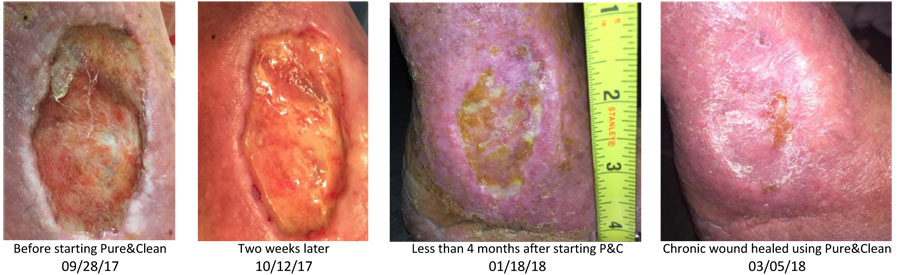
Pyoderma case study from Pure&Clean

Pure Clean
  • 86 year old female
  • Ankle Wound – Pyoderma Gangrenosum
  • After four years of treating using Santyl, honey, silver products, alginates, Aquacel Ag, Bactroban, sharp debridement, etc.
  • Positive biopsy for PG, Autoimmune disease (lupus) common comorbidity associated with PG
  • A home health, wound-care nurse treated 1.5 years
  • Patient now self-treating
  • Occasional visit to rheumatologist 40 mg of oral steroids
  • Wound healed in only 5 months with Pure&Clean
Pure Clean Photos

UA Surgeon Armstrong Urges New Focus on Diabetic Ulcers

Remission — rather than repair — needs to be the goal of treatment, according to Dr. David Armstrong, whose report on diabetic foot ulcers appears in the New England Journal of Medicine … Foot ulcers are a prevalent complication for millions of people with diabetes. Estimates indicate that as many as one-third of people with the disease will develop at least one foot ulcer over the course of their lifetime. These wounds can lead to further complications such as strokes, heart attacks, infections, loss of limbs and premature death … Yet, the morbidity and mortality directly associated with foot ulcers often go unrecognized by physicians and patients alike. Currently, the clinical focus is on repairing an ulcer’s surrounding tissue and healing the wound … read more


If you find WoundCareWeekly.com of value please consider a monthly donation to help cover expenses and keep this website going.


RedDress Donates FDA-Cleared Wound Care Solution to Aid Injured Ukrainians

RedDress, a Florida-based Israeli medical company is shipping revolutionary blood-clotting wound care systems to Ukraine to help with serious injuries and severe trauma wounds … RedDress began shipments of 400 of their ActiGraft systems this week to multiple hospitals in Ukraine to help treat civilian casualties as a result of the indiscriminate Russian attacks … read more


If you find WoundCareWeekly.com of value please consider a monthly donation to help cover expenses and keep this website going.


Tell-tale signs of diabetic foot — a common condition that’s a leading cause of amputation

The condition diabetic foot affects about half of people with
diabetes. It’s a type of peripheral neuropathy, where certain nerves in the body are damaged, triggering numbness, tingling, pain, or loss of sensation. In this case, symptoms occur in the feet leading to poor blood circulation, which causes wounds to heal slower and can trigger changes in the shape of the feet and toes. “This can be a serious condition, because peripheral neuropathy can lead to increased falls, cause pain, and lead to decreased quality of life,” says Kevin Springer, DPM, a podiatrist at The Ohio State University Wexner Medical Center … read more


If you find WoundCareWeekly.com of value please consider a monthly donation to help cover expenses and keep this website going.


Managing Challenging Biofilms in Horse Wounds

by Christa Lesté-Lasserre, MA


Aggressive early treatment can help horses recover from wounds afflicted with these persistent bacterial conglomeration … Packed with well-protected pathogenic (disease-causing) bacteria, biofilms can form spontaneously on wound surfaces and in deeper wound layers, creating significant challenges for both the equine patient and the treating veterinarian … A biofilm’s resistant matrix makes it tough to treat with antimicrobials and allows it to evade the body’s immune response, resulting in wounds that get larger instead of healing, said Lynn Pezzanite, DVM, MS, PhD, Dipl. ACVS-LA, assistant professor of equine emergency and critical care at Colorado State University’s … read more


If you find WoundCareWeekly.com of value please consider a monthly donation to help cover expenses and keep this website going.


Understanding the Risk: Asian Americans and Diabetes

by Joanne Saunders


Why do Asians and Asian Americans face an increased risk for diabetes and prediabetes? Joanne Saunders shares her father’s diabetes story to help shed light on this concerning problem … My father (pictured here with his grandson) was a 67-year-old Chinese American who immigrated to the United States in 1971. At 5’5” and approximately 150 pounds, he entered the emergency room on July 30, 2017, complaining of a severe headache, vomiting, and nausea … read more


If you find WoundCareWeekly.com of value please consider a monthly donation to help cover expenses and keep this website going.


First ever gene therapy gel corrects rare genetic skin condition

Peter Marinkovich MD, director of Stanford Medicine’s Blistering Disease Clinic


Stanford researchers have been working on gene therapies for epidermolysis bullosa, or “butterfly disease,” for over a decade. A new gel helped wounds heal and stay healed in a clinical trial … A gene therapy gel applied to the wounds of nine people — three of whom were children — with the blistering skin disease epidermolysis bullosa helped the wounds heal and remain healed for several months in a trial headed by researchers at Stanford Medicine … The trial is the first to show that gene therapy vectors for skin diseases can be effective when applied topically. It is also the first trial of gene therapy in children with epidermolysis bullosa … read more


If you find WoundCareWeekly.com of value please consider a monthly donation to help cover expenses and keep this website going.


Synergistically Detachable Microneedle Dressing for Programmed Treatment of Chronic Wounds

Tianqin Ning, Fenghe Yang, Danli Chen, Zhenzhen Jia, Rongqing Yuan, Zhenqin Du, Shuaiyin Liu, Yao Yu, Xiaochuan Dai, Xufeng Niu, Yubo Fan


Chronic wounds such as diabetic feet undergo a lifetime risk of developing into incurable ulcers. Current treatments for chronic wounds remain unsatisfactory due to the lack of ideal wound dressings that integrate facile dressing change, long-acting treatment, and high therapeutic efficacy into one system. Herein, a synergistically detachable microneedle (MN) dressing with a dual-layer structure is presented to enable programmed treatment via one-time dressing application. Such a dual-layer dressing MN system (DDMNS) is composed of chitosan (CS) hydrogel dressing (CSHD) on top of a detachable MN patch with a CS tip and a polyvinyl pyrrolidone (PVP) backing substrate incorporated with magnesium (Mg). The synergistic detachment is achieved with the backing Mg/PVP substrate dissolving within minutes due to the local moist environment of the CSHD enhancing the reaction between Mg and inflammation microenvironment. The combined treatment of Mg and panax notoginseng saponins (PNS) loaded in DDMNS achieves antibacterial, neovascularization, and activating a benign immune response so that the three overlapping periods of the inflammation, tissue proliferation, and tissue remodeling of wound healing reach a dynamic balance. This advanced DDMNS provides a facile approach for the programmed treatment of chronic wound management indicating potential value in wound healing and other related biomedical fields.


Keywords: chronic wound healing; drug delivery; magnesium; microneedles.


from Wiley Press


If you find WoundCareWeekly.com of value please consider a monthly donation to help cover expenses and keep this website going.


Real Talk: When patients make you furious

Kristin Fuller, MD
Mr. K. was a 37-year-old male who I saw in my clinic for uncontrolled type-2 diabetes. Every time he came in, his HbA1c and rapid glucose were off the charts. He had multiple hospital admissions for diabetic ketoacidosis, and already had two toes amputated due to severe peripheral arterial disease, a known diabetes complication … One day, a surgeon called to inform me that Mr. K. was in the hospital and would be undergoing a below-the-knee amputation (BKA) due to extremely poor circulation as a result of poor glycemic control. The surgeon initially tried to blame me for not having my patient on the proper diabetic regimen. I explained that I had consistently tried to work with Mr. K., and he was stubbornly non-compliant with his diet and insulin regimen … read more


If you find WoundCareWeekly.com of value please consider a monthly donation to help cover expenses and keep this website going.


Polypharmacy is Associated with Diabetic Foot Ulcers in Type 2 Diabetes mellitus

This observational study aimed to investigate the relationship between polypharmacy and the existence of diabetic foot ulcers in patients with type 2 diabetes. Methods: Patients with T2DM with and without diabetic foot ulcers who presented to the endocrinology outpatient clinic between August 2020 and November 2021 were involved in the study. Overall, five hundred and twelve patients with T2DM (293 patients with diabetic foot ulcer and 219 patients without diabetic foot ulcer) were included. The exclusion criteria were pregnancy, lactation, type 1 diabetes, patients under 18 years and over 65 years of age, and history of malignancy. The information of drugs administered, demographic and clinical data were obtained from the patient files. The Wagner score was used to evaluate the severity of ulcers … read more


If you find WoundCareWeekly.com of value please consider a monthly donation to help cover expenses and keep this website going.


Efficacy and Safety of Topical Solution of Diperoxochloric Acid for Neuropathic Diabetic Foot Ulcer

Results from a Phase 3, Multicentre, Randomized, Active-controlled, Parallel-group Study


Diabetic foot ulcer (DFU), if untreated, accounts for lower-limb amputations affecting patients’ quality-of-life. Diperoxochloric acid (DPOCL) is known to heal DFU by its antibacterial and fibroblast stimulating activity. This was a phase 3, multicentre, randomized, double-blind, active-controlled, parallel-group study conducted to evaluate the efficacy and safety of topic solution of DPOCL compared with isotonic sodium chloride solution (ISCL). Adult patients with type 1 or 2 diabetes with random blood glucose levels of <250 mg/dL, with ≤ than three full-thickness foot ulcers were enrolled. Primary efficacy endpoint was complete wound closure and secondary was wound surface area. Adverse events were analyzed as safety endpoint. Of 311 enrolled patients, 289 were randomized … read more


If you find WoundCareWeekly.com of value please consider a monthly donation to help cover expenses and keep this website going.


Topical Administration of Lactiplantibacillus plantarum Accelerates the Healing of

Chronic Diabetic Foot Ulcers through Modifications of Infection, Angiogenesis, Macrophage Phenotype and Neutrophil Response


This work aimed to evaluate the adjuvant treatment to surgical debridement using topical applications of Lactiplantibacillus plantarum ATCC 10241 cultures in complicated diabetic foot ulcers as compared to diabetic foot ulcers receiving surgical wound debridement. A randomised controlled trial was performed involving 22 outpatients with complicated diabetic foot ulcers that either received surgical debridement (SuDe, n = 12) or surgical debridement plus topical applications of L. plantarum cultures (SuDe + Lp, n = 10) every week during a 12 week treatment period. Compared to patients receiving SuDe, patients treated with SuDe + Lp exhibited significantly increased fibroplasia and angiogenesis, as determined by Masson’s trichrome staining and the study of CD34 cells, α-smooth muscle actin to semi-quantify vascular area, number of vessels and endothelial cells. In addition, a promotion of the polarisation of macrophages from M1 (CD68) to M2 (CD163) phenotype was observed in SuDe + Lp patients with remarkable differences in the tissue localisation … read more


If you find WoundCareWeekly.com of value please consider a monthly donation to help cover expenses and keep this website going.


Piperacillin-tazobactam-Induced Pneumonitis: A Clinical Case Study

William Urbas, DPM, FACFAS, Deep N. Shah, DPM MBA, and Alex Pilkinton, DPM


This case study involves a 46-year-old male patient admitted with a localized necrotizing soft tissue infection of the right foot that developed an unusual and rare delayed hypersensitivity pneumonitis from the antibiotic Piperacillin-tazobactam … Drug hypersensitivity reactions present in multiple ways and have various presentations in timing. Piperacillin-tazobactam is a fourth-generation penicillin antibiotic combining a penicillin molecule (piperacillin) with a beta-lactamase inhibitor (tazobactam). Piperacillin-tazobactam is US Food and Drug Administration (FDA)-approved for 30-minute intravenous infusion at 2.25g, 3.375g, or 4.5g doses to help cover a broad spectrum of … read more


If you find WoundCareWeekly.com of value please consider a monthly donation to help cover expenses and keep this website going.


Oleogel S-10 Significantly Improves Epidermolysis Bullosa Wounds at 12 Months

Dedee F. Murrell, MD, details the EASE trial findings presented at AAD 2022, and what the benefit of the novel topical gel may mean for patients with EB


A new phase 3 trial assessing a novel topical gel for the treatment of young patients with epidermolysis bullosa (EB) wounds show the birch bark-based product achieved nearly 50% heal of targeted wounds over 12 months … The interim EASE findings, presented in a late-breaking session at the American Academy of Dermatology (AAD) 2022 Annual Meeting in Boston, show birch triterpenes (Oleogel-S10) may provide a unique and broadly-applicable benefit for patients with rare, often deadly skin condition … In an interview with HCPLive at AAD 2022, study author Dedee F. Murrell, MD, director of dermatology at St. George Hospital, USNW, discussed the clinical history of Oleogel S-10 leading … read more


If you find WoundCareWeekly.com of value please consider a monthly donation to help cover expenses and keep this website going.


Transforming Your Practice, Outcomes, and Productivity With Real-time Fluorescence Imaging of Wound Bacteria

presented by Thomas E Serena, MD, FACS, MAPWCA, FACHM and Jeffrey D Lehrman, DPM, FASPS, MAPWCA, CPC, CPMA


This webinar will focus on “Keys to Success” for all qualified healthcare professionals who are using, or considering adopting, point-of-care fluorescence imaging of wound bacterial presence, location, and load. Dr Thomas Serena will focus on the clinical impact the fluorescence imaging procedure is having on getting ahead of infection, wound outcomes, and timing of CTP placements. Dr Jeffrey Lehrman will discuss appropriate CPT coding for this procedure and documentation tips to support how and why this procedure is performed on a given patient, as well as the imaging findings … learn more


If you find WoundCareWeekly.com of value please consider a monthly donation to help cover expenses and keep this website going.


Manipulating the microbiome alters regenerative outcomes in

Xenopus laevis tadpoles via lipopolysaccharide signaling

Phoebe A. Chapman, Campbell B. Gilbert, Thomas J. Devine, Daniel T. Hudson, Joanna Ward, Xochitl C. Morgan, Caroline W. Beck


Xenopus laevis tadpoles can regenerate functional tails, containing the spinal cord, notochord, muscle, fin, blood vessels and nerves, except for a brief refractory period at around 1 week of age. At this stage, amputation of the tadpole’s tail may either result in scarless wound healing or the activation of a regeneration programme, which replaces the lost tissues. We recently demonstrated a link between bacterial lipopolysaccharides and successful tail regeneration in refractory stage tadpoles and proposed that this could result from lipopolysaccharides binding to Toll-like receptor 4 (TLR4). Here, we have used 16S rRNA sequencing to show that the tadpole skin microbiome is highly variable between sibships and that the community can be altered by raising embryos in the antibiotic gentamicin. Six Gram-negative genera, including Delftia and Chryseobacterium, were over-represented in tadpoles that underwent tail regeneration. Lipopolysaccharides purified from a commensal Chryseobacterium spp. XDS4, an exogenous Delftia spp. or Escherichia coli, could significantly increase the number of antibiotic-raised tadpoles that attempted regeneration. Conversely, the quality of regeneration was impaired in native-raised tadpoles exposed to the antagonistic lipopolysaccharide of Rhodobacter sphaeroides. Editing TLR4 using CRISPR/Cas9 also reduced regeneration quality, but not quantity, at the level of the cohort. However, we found that the editing level of individual tadpoles was a poor predictor of regenerative outcome. In conclusion, our results suggest that variable regeneration in refractory stage tadpoles depends at least in part on the skin microbiome and lipopolysaccharide signalling, but that signalling via TLR4 cannot account for all of this effect … from Wiley


If you find WoundCareWeekly.com of value please consider a monthly donation to help cover expenses and keep this website going.


And I Only Am Escaped Alone to Tell Thee: A Patient’s Experience With Excruciating Pain and Redemption

Richard E. Maddy, PhD

The title for this article is taken from the title of the epilogue of the novel Moby-Dick, whose author, Herman Melville, had taken it from the Book of Job in the King James Bible. Like the fictional protagonist of Melville’s novel, and the messengers who informed the biblical patriarch of his great loss, I too have a message for the readers, borne of personal experience—one of excruciating pain, loss, rescue, and redemption … read more


If you find WoundCareWeekly.com of value please consider a monthly donation to help cover expenses and keep this website going.


Understanding bacterial biofilms

Tagbo Niepa Receives $663K NSF CAREER Award for Work on Biofilm Micromechanics and Metabolic Properties
Biofilms are a ubiquitous, resilient form of microbial life. They can form where liquids and solids meet, like around a knee replacement; where air and liquid meet, like in the lungs; and where oil and water meet, like in an oil spill on the ocean … Because of this extreme versatility, the mechanism of how they grow and adapt to different environments is not yet well understood. But a better grasp of how biofilms can grow and adapt to different environments would not only help mitigate their deleterious health effects but also put them to work for us … read more


If you find WoundCareWeekly.com of value please consider a monthly donation to help cover expenses and keep this website going.


neoplas med GmbH: Superiority of cold atmospheric plasmajet therapy in the treatment of

chronic wounds proven by gold-standard trial


Comparative clinical trial shows significant improvement in wound closure and infection control based on treatment with the plasmajet kINPen® MED from neoplas med compared to best practice wound care – cost-effectiveness analysis proves high cost-savings by innovative technology


GREIFSWALD, Germany and FELDKIRCH, Austria, March 22, 2022 /PRNewswire/ — The results of a randomized controlled trial (RTC) may offer new opportunities for the approximately two million patients with chronic wounds solely in Germany: The innovative cold atmospheric plasmajet (CAP-jet) technology showed significantly more healing progress in chronic wounds in comparison to best practice (BP) modern wound care at two study centers. Within six weeks, 59 percent of all wounds healed completely under cold plasma treatment compared to only 5.1 percent in patients under BP therapy. Time to complete healing was also considerably shorter under CAP-jet treatment, and wound infections were overcome statistically significant more rapid. With a very good tolerability profile, an economic analysis of the study data also showed a cost saving of 65 percent for the dressing material alone compared to the BP group. The study data were recently published in the journal Nature Scientific Reports.


Acceleration of wound healing and wound closure proven

In the study conducted by Prim. Univ.-Professor Robert Strohal, head of the Department of Dermatology and Venereology at the Federal Academic Teaching Hospital Feldkirch, the cold plasma procedure of the Greifswald-based company neoplas med GmbH was scientifically examined in wound care. For this purpose, he compared treatment with the CAP-jet kINPen® MED at the Austrian Federal Academic Teaching Hospitals Feldkirch and Bregenz with current best practice treatment in 78 patients with infected and non-infected wounds. ‘This study was the first to investigate the exclusive effect of tissue accessible cold plasma on wound healing and infection control without the use of an additional standard therapy,’ said Prim. Univ.-Prof. Strohal.


After treatment with the CAP-jet, the proportion of healthy tissue increased significantly faster than under the BP treatment and the wounds under CAP-jet therapy also healed significantly faster. At the end of the study, the wound area in the CAP group had reduced by 94.7 percent compared to the baseline value, in the comparison group it was only 56.3 percent. CAP also proved superior in terms of infection control. In contrast to BP therapy, all wounds infected at the start of the study showed complete resolution of infection signs. In addition, the signs of infection disappeared significantly faster under cold plasmajet therapy.


Patients’ quality of life can improve

Ulrike Sailer, CEO of the company neoplas med GmbH in Greifswald/Germany, explained: ‘The Joint Federal Committee (Gemeinsamer Bundesausschuss, G-BA) as the central decision-making body of the German health care system already recognized last year the potential of cold plasma for the innovative treatment of chronic wounds at our request. Therefore, the G-BA decided to carry out an observational trial for testing with the aim of obtaining health insurance approval. The results of the clinical trial that now have been published clearly demonstrate the superiority of the CAP-jet kINPen® MED compared to BP wound care. These results provide further evidence for the high clinical relevance of the CAP-jet precision technology. At the same time, it represents important news for millions of people who suffer from chronic wounds for years.’


Chronic wounds are often associated with high morbidity and considerable impairments in everyday life as well as the patients’ psyche. Faster wound healing and thus a shorter therapy duration by using the plasmajet kINPen® MED can therefore significantly improve the patients’ quality of life. Furthermore, a lower burden by pain during treatment can be observed, and a reduced number of dressing changes can be assumed. Patients confirmed the very good tolerability and even described the treatment as pleasant in the majority of cases.


Significant advantage in treatment costs

A cost-effectiveness analysis based on the available study data showed that 21.4 percent fewer physician visits and 34.3 percent fewer dressing changes were necessary in the CAP-jet group compared to BP. The savings alone in dressing material resulted in a cost advantage for CAP-jet therapy of 64.7 percent compared to BP. Previously, average costs of 10,000 € per patient and year were assumed. Ulrike Sailer: ‘Thus, the cold plasmajet kINPen® MED offers not only a more efficient and tolerable technology, but also opens up the opportunity for significantly higher cost-effectiveness in the treatment of chronic wounds.’


Further information material can be found under the following link: https://1drv.ms/u/s!Aph6cOwNbPEJgQCIbClSETCZ_lal?e=BvkuGi


Background Information:

The study included 78 patients with wounds up to 10 x 20 cm in size and existing for at least 6 weeks. The patients were randomized in a 1:1 ratio into two groups and treated for the study duration of 6 weeks either with the CAP-jet kINPen® MED (30 seconds per cm2 wound area) or suitable wound dressings according to BP wound care. Only one wound per patient was evaluated.


With regard to the treatment regime, CAP-jet therapy was administered 3 times in the 1st week in the CAP group, 2 times in the 2nd week and once a week in the following observation period; furthermore, the wounds were covered with gauze and a secondary dressing. In contrast, the BP group was treated with a wound phase-adapted dressing; infected wounds were additionally cleaned with an antiseptic. In both groups, patients with venous ulcers received compression therapy. The primary endpoint of the study was the amount of granulation tissue at the end of the study. In addition, cold plasma effects on wound infection, wound area, healing time, wound pH and exudate volume (wound fluid) as well as local tolerability were investigated.


Improvement in wound infection: All 13 wounds infected at baseline in the CAP-jet group showed complete resolution of infection signs without the need for additional antiseptics. In contrast, 4 of the 18 wounds infected at baseline in the BP group showed no improvement despite the use of antiseptics. Furthermore, the signs of infection decreased significantly faster under CAP-jet therapy compared to BP therapy. These data confirm the previously published evidence on the good antimicrobial efficacy of CAP.


Cold plasma is a gas containing ionized atoms, ions and electrons that has been shown to disinfect wounds and activate the wound healing process. With its fine jet, the plasmajet kINPen® MED enables highly precise treatment in anatomically and pathologically challenging areas under visual control and without touching, which is not possible with other wound therapies.


About neoplas med GmbH

neoplas med GmbH was founded in 2009 as a spin-off of the Leibniz Institute for Plasma Science and Technology e. V. (INP) in Greifswald, Germany. Ulrike Sailer took over the position of managing director at the end of 2019. Based on the INP research into plasma medicine, the emerging company develops innovative products for medical applications. The first product developed on this basis is the CE-marked kINPen® MED atmospheric pressure plasmajet, the first internationally approved and marketed plasmajet for the treatment of chronic wounds and pathogen-induced skin disorders. It is the result of a long-lasting cooperation with the INP institute, the university hospital of Greifswald, Germany, the Charité hospital of Berlin, Germany, and various industrial partners. In July 2021, the Federal Joint Committee, as the central decision-making body in the self-governing health care system, decided on a trial study with the cold plasmajet procedure and thus took an important step towards reimbursement by the health insurance companies.


About kINPen® MED

The plasmajet kINPen® MED is the first atmospheric pressure plasmajet to receive CE approval for the treatment of chronic wounds and pathogen-induced skin disorders. The plasmajet applies a physical cold plasma with a temperature of < 40 degrees Celsius with pinpoint precision and without wound contact. Areas with an uneven profile, recesses or cavities can be reached easily and treated evenly. The noble gas argon used for the generation of the plasma provides a controlled atmosphere around the generated plasma beam, thus ensuring a consistent high treatment quality.


Press contact

Claudia Kerber
Phone: +49 3834 515 201
Mobile: +49 (0)162 23 770 70
claudia.kerber@neoplas-med.eu
neoplas med GmbH
Walther-Rathenau-Straße 49a, 17489 Greifswald, Germany

Life and Limb: Advances in the Management of the Diabetic Foot

By Chase Doyle
If untreated or unsalvageable, the diabetic foot requires surgical interventions to address the risks to its viability. However, recent advancements in the field suggest that surgeons may not always have to sacrifice a limb to save a life.

During the 2021 virtual American College of Surgeons Clinical Congress, Lucas M. Ferrer, MD, described the use of endovascular venous arterialization for limb salvage, and William P. Robinson, MD, discussed the timing of foot amputation after revascularization … read more


If you find WoundCareWeekly.com of value please consider a monthly donation to help cover expenses and keep this website going.


Medicaid Expansion Under ACA May Have Reduced Rate of Major Diabetes-Related Amputations

by Patrick Campbell

An analysis of data from 2013-2015 provides insight into the impact of Medicaid expansion under the Affordable Care Act on rate of major diabetes-related amputations and suggests a shift in the distribution of uninsured patients may have driven reductions observed in the study.

Data from a new study are providing clinicians with insight into the effects of the Medicaid Expansion Under the Patient Protection and Affordable Care Act (ACA) on rates of diabetes-related major amputations among racial and ethnic minority adults with diabetes … read more


If you find WoundCareWeekly.com of value please consider a monthly donation to help cover expenses and keep this website going.


Adjunctive topical oxygen therapy for wound healing in patients with peripheral arterial disease

Gennady M Vulakh, Anil P Hingorani, Enrico Ascher, Natalie Marks


Abstract
Introduction: While the use of hyperbaric oxygen therapy has been supported by randomized prospective trials for the use of selective lower extremity wounds, it is associated with significant cost, inconvenience, and a small risk of pneumothorax, barotrauma to the tympanic membrane, and severe hypoglycemia. As topical oxygen therapy (tOT) avoids these issues and there is little literature examining its use for patients with peripheral arterial disease (PAD), we reviewed our experience with tOT as an adjunctive technique for wound healing with arterial wounds.


Methods: We reviewed our experience with tOT for lower extremity wounds over 8 years. PAD patients with non-healing ulcers were referred to tOT after having revascularization of the limb and/or debridement where appropriate. tOT was administered to affected areas 4 times a week with a local boot that delivered 100% oxygen to the wound at 1.03 atm for 90-min sessions. We had 28 patients with PAD, 57.1% male, and 36 individual wounds. Ages ranged from 37 to 93 (mean 62 ± 13.7). 82% had a history DM, 75% hypertension, and 60.7% hyperlipidemia. 78% had lower extremity arterial angioplasty and 11% had a LE bypass. The remainder had a debridement only and were not candidates for arterial revascularization.


Results: tOT duration ranged from 1 to 7 months (mean 3 ± 2). 29% stopped tOT before healing. 25% healed completely. One died during follow-up. Overall, 66% had reduction of the wound area ranging from 12% to 100%. None had major limb amputation. 18% underwent toe amputations. 25% of our patients were lost to follow-up.


Conclusion: While these data are from a single-center and are single-armed, they represent the largest reported series of this therapy. This home-based therapy does show promise and warrants further investigation.


Keywords: Topical oxygen therapy; ischemic ulcers; pad; peripheral arterial disease; wound healing.

from PubMed


If you find WoundCareWeekly.com of value please consider a monthly donation to help cover expenses and keep this website going.


Interpretable Machine Learning for the Prediction of Amputation Risk Following

Lower Extremity Infrainguinal Endovascular Interventions for Peripheral Arterial Disease


Abstract
Purpose: Severe peripheral artery disease (PAD) may result in lower extremity amputation or require multiple procedures to achieve limb salvage. Current prediction models for major amputation risk have had limited performance at the individual level. We developed an interpretable machine learning model that will allow clinicians to identify patients at risk of amputation and optimize treatment decisions for PAD patients.


Methods: We utilized the American College of Surgeons National Surgical Quality Improvement Program database to collect preoperative clinical and laboratory information on 14,444 patients who underwent lower extremity endovascular procedures for PAD from 2011 to 2018. Using data from 2011 to 2017 for training and data from 2018 for testing, we developed a machine learning model to predict 30 day amputation in this patient population. We present performance metrics overall and stratified by race, sex, and age. We also demonstrate model interpretability using Gini importance and SHapley Additive exPlanations.


Results: A random forest machine learning model achieved an area under the receiver-operator curve (AU-ROC) of 0.81. The most important features of the model were elective surgery designation, claudication, open wound/wound infection, white blood cell count, and albumin. The model performed equally well on white and non-white patients (Delong p-value = 0.189), males and females (Delong p-value = 0.572), and patients under age 65 and patients age 65 and older (Delong p-value = 0.704).


Conclusion: We present a machine learning model that predicts 30 day major amputation events in PAD patients undergoing lower extremity endovascular procedures. This model can optimize clinical decision-making for patients with PAD.


Keywords: Endovascular intervention; Machine learning; Peripheral artery disease; Risk assessment.

from PubMed


If you find WoundCareWeekly.com of value please consider a monthly donation to help cover expenses and keep this website going.


Factors affecting the incidence and prevalence of pressure ulcers in COVID-19 patients

admitted with a Braden scale below 14 in the intensive care unit: Retrospective cohort study


Mahin Amini, Feizollah Mansouri, Kamran Vafaee, Alireza Janbakhsh, Somayeh Mahdavikian


The coronavirus (COVID-19) pandemic has caused hospitalisation of patients worldwide with a wide range of clinical complications for a variety of reasons. The most important complication of COVID-19 in hospitalised patients is acute respiratory distress syndrome, which requires patients to use oxygen supply equipment such as a ventilator and a non-invasive ventilation (NIV) mask. COVID-19 patients admitted to the hospitals, especially the intensive care units (ICUs), are prone to pressure ulcers (PUs) as an important and double complication due to multiple complications of the disease such as inactivity, and some degree of immobility and the use of artificial airways. On average, during the corona pandemic in different countries of the world, COVID-19 patients occupy 21% of the ICU admission capacity with an average [95% CI = 6.99-8.63] 7.78 days per patient.3 Increasing the length of hospital stay causes PU and PU, in turn, increases LOS. PU, also called pressure sores or bedsores, causes injuries to the skin and underlying tissue that appear primarily due to prolonged pressure on the skin due to inactivity and factors such as age over 65.5 In particular, second- and higher-grade ulcers increase the length of hospital stay, increase mortality, and shorten patients’ lives and are recognised as an important challenge in the health system. PU causes more than 60 000 deaths annually in the United States.10 Data from a wide study showed that COVID-19 patients need more than three times as much care and attention to the occurrence of PU compared to other hospitalised patients … read more


If you find WoundCareWeekly.com of value please consider a monthly donation to help cover expenses and keep this website going.


Podimetrics Secures $45 Million Series C To Help At-Risk Providers and Health Plans Prevent

Diabetic Amputations in High-Risk Patients

Every 4 minutes in the U.S., a patient loses a limb due to diabetes complications
Black Americans face diabetes-related amputations 3x as often as white Americans
Podimetrics strives to reduce disparities in diabetes care and unnecessary limb loss
SOMERVILLE, Mass., March 24, 2022 — Podimetrics, creator of the FDA-cleared SmartMat™ and integrated clinical care services that can help save the limbs and lives of complex patients with diabetes, today announced a $45 million Series C round led by D1 Capital Partners, along with two new investors, the Medtech Convergence Fund and an undisclosed strategic investor. Existing investors, Polaris Partners and Scientific Health Development, also participated in the financing. Prior to their Series C, Podimetrics had raised $28.3 million in funding to fuel development and distribution of their SmartMat.


With this latest round of funding, Podimetrics plans to focus on hiring to build out their product development and research teams, while also expanding the breadth of services delivered by their nurse support team. This new funding will help even more at-risk providers and health plans drive broader adoption of Podimetrics’ SmartMat so they can improve care outcomes for at-risk patients dealing with diabetic foot ulcers (DFUs) that often lead to amputations.


Podimetrics, founded in 2011, developed the SmartMat — the only easy-to-use, at-home mat that a patient steps on for 20 seconds per day. The mat detects temperature changes in the foot, which are associated with early signs of inflammation, often a precursor to DFUs. The FDA-cleared and HIPAA-compliant SmartMat is remotely monitored by Podimetrics’ in-house nurse support team. If the data from the mat are indicative of potential health issues, Podimetrics’ nursing team connects with the patient and the patients’ provider in as close to real time as possible. The SmartMat, which also has the Seal of Approval from the American Podiatric Medical Association, has already been used by thousands of patients through partnerships with leading risk-based healthcare providers and regional and national health plans, such as the Veterans Health Administration.


“The patients we serve at Podimetrics are extremely complex and have been largely ignored by our healthcare system,” said Jon Bloom, MD, CEO and Co-founder of Podimetrics. “With our SmartMat and this latest funding, we have the chance to put an end to ‘Civil War’–era amputations with early, home-based detection. We also have the opportunity to improve the overall health and well-being for patients dealing with diabetes because of the close relationship we’ve built through our trusted technology and clinical services.”


In a previous multi-center trial, diabetic foot complications were shown to be detected up to five weeks before they presented clinically. Even after one full year, about 70% of patients continued to use the SmartMat regularly. Early detection and related preventive care actions often result in significant cost-savings, too, anywhere from $8,000–$13,000 in savings per member per year (savings estimates based on customer research and analysis). In addition, considering Black Americans and Hispanics are two to three times more likely to require a diabetic amputation than others, Podimetrics’ SmartMat holds the power to help support health equity advancements over time.


Recent peer-reviewed research has also suggested the following benefits among patients using the SmartMat at home: 71% elimination of amputations; 52% reduction in all-cause hospitalizations; 40% reduction in emergency department visits; and a 26% reduction in outpatient visits.


Building on these notable data-driven findings, most recently Podimetrics published peer-reviewed research in Diabetes Research and Clinical Practice, the journal of the International Diabetes Federation. This research found that during episodes-of-care for DFUs, patients are 50% more likely to die and nearly three times more likely to be hospitalized. What this research shows is that patients with a DFU tend to have multiple other chronic health conditions, putting them at higher risk for hospitalization and even death. In addition, these medically complex patients are often among the costliest patients within a healthcare system. As a result of this research, diabetic foot complications can and should be viewed as indicators of other costly chronic conditions not commonly associated with DFUs.


In addition to this research, which was published in January 2022, Podimetrics has already gotten off to a strong start in 2022. The company doubled its revenue for the third year in a row, and also doubled the size of its team.


“We are proud to partner with Podimetrics and to support its efforts to save lives and limbs,” said James Rogers, Investment Partner with D1 Capital Partners. “Our growth capital will expand commercialization of the SmartMat which we believe has demonstrated the ability to reduce unnecessary healthcare costs through preventive, risk-based strategies that prioritize high-quality outcomes for vulnerable patients. We believe that Podimetrics is building a strong team and are honored to support its worthy mission.”


For more information on Podimetrics and how its FDA-cleared SmartMat and clinical care services can help prevent diabetic foot ulcers and improve patient outcomes, please visit Podimetrics.com.


About Podimetrics

Podimetrics is the creator of the FDA-cleared SmartMat™ and integrated clinical care services that can help save the limbs and lives of complex diabetic patients. Through partnerships with health plans and at-risk providers, such as the Veterans Health Administration and Independence Blue Cross, Podimetrics has helped prevent amputations associated with complex diabetes. By combining cutting-edge technology with best-in-class clinical care services, Podimetrics earns high engagement rates from patients and allows clinicians to save limbs, lives, and money — all while keeping vulnerable populations healthy in their own homes. For more information, visit podimetrics.com or follow us on LinkedIn and Twitter.


About D1 Capital Partners

D1 Capital Partners is a global investment firm that operates across public and private markets. The firm combines the talent and operational excellence of a large, premier asset management firm with the flexible mandate and long-term time horizon of a family office. Founded in 2018 by Dan Sundheim, D1 focuses on investing in the global internet, technology, telecom, media, consumer, healthcare, financial, industrial and real estate sectors.

AOTI Receives China FDA Approval for Topical Wound Oxygen (TWO2) Therapy

Providing Renewed Hope for World’s Largest Diabetic Foot Ulcer Population


OCEANSIDE, Calif., March 23, 2022 /PRNewswire/ — Advanced Oxygen Therapy Inc. (AOTI), the global leader in noninvasive topical oxygen wound healing solutions, announced today that is has received Chinese National Medical Products Administration (NMPA), commonly referred to as China FDA, approval for its unique cyclically pressurized Topical Wound Oxygen (TWO2) therapy. Making it the only advanced sustained wound healing therapeutic to have achieved such a designation and allowing the company to now commence marketing in China with its local partner.


China has the world’s largest Diabetic and resultingly Diabetic Foot Ulcer (DFU) population. The International Diabetes Federation estimates that 10.6% of the Chinese adult population now have diabetes that equates to 141 million people. This represents a 56%, or 50 million person, increase in the last 10 years alone.1 In China, the annual incidence of DFU and Amputation has recently been reported to be 8.1% and 5.1% respectively, representing a staggering 11.4 million ulcerations and 7.2 million preventable lower extremity amputations every year.2


AOTI’s globally patented TWO2 homecare therapy has been demonstrated in recently published high-quality Randomized Controlled Trial 3 and Real Word Evidence 4 studies to provide more durable complete DFU healing. Resulting in six-fold reductions in ulcer recurrence, with an unprecedented 88% reduction in hospitalizations and 71% reduction in lower extremity amputations seen over 12 months. Such sustained healing provides patients with renewed hope of limb preservation, while offering significant reductions in healthcare resource utilization with resultant health economic savings.


Professor Andrew Boulton, past-President of the European Association for the Study of Diabetes and Professor of Medicine at the University of Manchester, UK and University of Miami, USA, and Chairman of AOTI’s Scientific and Clinical Advisory Board, commented: “Diabetes is one of the fastest growing global health emergencies of the 21st century. It is a real game-changer to finally have clinically proven homecare therapeutics like TWO2 available that make meaningful impact in such critical outcomes as hospitalizations and amputations. Now that TWO2 therapy is authorized in China, the world’s largest diabetic foot ulcer population has a renewed hope for better outcomes.”


1 International Diabetes Federation. IDF Diabetes Atlas, 10th Edition. Brussels, Belgium: 2021. Available at: https://www.diabetesatlas.org


2 Development and validation of a brief diabetic foot ulceration risk checklist among diabetic patients: a multicenter longitudinal study in China. Zhou, Q., Peng, M., Zhou, L. et al. Nature, Sci Rep 8, 962 (2018). https://doi.org/10.1038/s41598-018-19268-3


3 Multinational, Multicenter, Randomized, Double-Blinded, Placebo-Controlled Trial to Evaluate the Efficacy of Cyclical Topical Wound Oxygen (TWO2) Therapy in the Treatment of Chronic Diabetic Foot Ulcers; The TWO2 Study. Robert G. Frykberg et al, Diabetics Care 2020; 43:616-624. https://doi.org/10.2337/dc19-0476.


4 Reduced Hospitalizations and Amputations in Patients with Diabetic Foot Ulcers Treated with Cyclical Pressurized Topical Wound Oxygen Therapy: Real-World Outcomes; Jessica Izhakoff Yellin, et al; Advances in Wound Care 2022; http://doi.org/10.1089/wound.2021.0118


About AOTI
AOTI is a privately-owned company based in Oceanside, California USA and Galway, Ireland that provides innovative solutions to resolve severe and chronic wounds worldwide. Our products reduce healthcare costs and improve the quality of life for patients with these debilitating conditions. Our patented non-invasive Topical Wound Oxygen (TWO2) homecare therapy is clinically proven to deliver Sustained Wound Healing that reduces both Amputations and Hospitalizations, So Life Can Get Back to Normal.


For more information see: www.aotinc.net
Dr. Mike Griffiths
CEO & President
332487@email4pr.com
(760) 672 1920
SOURCE AOTI Inc.

Comparison of oxygenated flow patterns in diabetic foot ulcers subjects and controls in response to breath-holding

Kevin Leiva, Alexander Trinidad, Isabella Gonzalez, Aliette Espinoza, Thomas Zwick, Jason Edward Levine, Magaly Adelaida Rodriguez, Hadar Lev-Tov, Robert Kirsner, Anuradha Godavarty


Approximately 34% of people with diabetes will experience a diabetic foot ulcer (DFU) at some point throughout their lifetime. The perfusion of oxygen to the DFU is critical for promoting wound healing and closure. However, complications from diabetes can compromise the oxygenated flow to the wound site. Techniques such as transcutaneous oximetry and laser Doppler imaging have been used to assess perfusion to DFUs at discrete point-locations in the peri-wound. Widearea measurements of temporal oxygenation changes, as an indirect measure of perfusion, can provide additional insight of the oxygenated flow in the (peri-)wound and background tissue. Herein, our objective is to assess the differences in oxygenation flow patterns in and around the DFU regions and in the feet of control subjects as a potential biomarker for monitoring wound healing … read more


If you find WoundCareWeekly.com of value please consider a monthly donation to help cover expenses and keep this website going.


Combined Regenerative Approach for a Complex Lower Extremity Wound: A Case Report

Pedro Salomão Piccinini, Mariana Rodrigues de Sousa Rebelato, Marwan Masri, Carlos Oscar Uebel, Rubem Lang Stümpfle, Milton Paulo de Oliveira


A diabetic foot ulcer (DFU) is a multifactorial complication affecting patients with diabetes mellitus (DM). These ulcers have a lifetime prevalence of 25% in this population and represent a major cause of hospitalization.1-4 Diabetic foot ulcers also generate an economic burden on the health care system and severely impact patient quality of life.5,6 Standard of care (SOC) consists of management of comorbidities, evaluation of vascular status and debridement, and provision of daily dressings, pressure offloading, and infection control. However, a majority of DFUs do not heal completely, and some lead to infection and amputation.3,7 Newer wound therapies have been shown to offer better alternatives by promoting angiogenesis to accelerate healing.4-6 In this context, the authors present the case of a patient with multiple comorbidities who presented with a chronic nonhealing plantar wound; while multiple prior treatments failed, the wound was successfully treated with nanofat grafting, negative pressure wound therapy … read more


If you find WoundCareWeekly.com of value please consider a monthly donation to help cover expenses and keep this website going.


The contribution of intestinal Streptococcus to the pathogenesis of diabetic foot ulcers

by Yunyang Wang, Hong Zhang, Guixin Ma, Zibin Tian, Bin Wang


An analysis based on 16S rRNA sequencing
In this study, we intend to determine the microbial communities that are differentially expressed in diabetic foot ulcers (DFUs) from the view of species abundance difference and compositions. The EMBL-EBI database and QIIME2 platform were used to obtain and process 16S rRNA sequencing data of normal healthy and DFU samples. The LEfSe software was utilised to retrieve key intestinal bacteria differentially expressed in DFUs. Additionally, PICRUSt2, FAPROTAX and BugBase functional analyses were performed to analyse the potential microbial functions and related metabolic pathways. The correlations between intestinal microbiota and clinical indexes were evaluated using the Spearman correlation analysis. Significant differences existed in intestinal microbiota between DFU and normal healthy samples regarding species abundance difference and compositions at Kingdom, Phylum, Class, Order, Family, Genus and Species levels. Seven microbiota were demonstrated differentially expressed in DFUs that contained Bacteroidaceae, Prevotellaceae, Streptococcaceae, Lactobacillales, Bacilli, Veillonellaceae and Selenomonadales. Insulin signalling pathway may be the key pathway related to the functional significance of Streptococcus and Bacillus in the DFUs. The intestinal microbiota in DFUs exhibited susceptibility to sulphur cycling while displaying pathogenic potential. Last but not least, a close relationship between Streptococcus and the occurrence of DFUs was revealed. Taken together, this study mainly demonstrated the high abundance of Streptococcus in DFUs and its correlation with the disease occurrence … read more


If you find WoundCareWeekly.com of value please consider a monthly donation to help cover expenses and keep this website going.


Navigating Wound Care From Hospital to Home

By Kari K. Harman, RN-C, CCM, CWCA, WCN-C, CSWD-C, ACCWS, DAPWCA
For patients discharged from the acute care setting, the road home can be laden with potholes and speed bumps. The fear of the unknown after being newly diagnosed with a wound or the exacerbation of a health condition can be overwhelming for many patients. Caregivers are likely to have the same feelings as patients. This blog will navigate through some avoidable roadblocks and barriers to ensure a smooth ride home. By establishing manageable expectations and partnering with home health agencies that have proficient wound care programs, the patient and caregiver can genuinely be on the road to recovery … read more


If you find WoundCareWeekly.com of value please consider a monthly donation to help cover expenses and keep this website going.


Lipid Profiling Can Predict the Risk of Diabetes and CVD Years Before Onset

Janet Falade, PharmD Candidate, South College School of Pharmacy


The increased risk of having type 2 diabetes (T2D) and cardiovascular disease (CVD) has been a significant concern in the health care sector worldwide. Also, it has been regularly reported by the World Health Organization (WHO) that cardiovascular diseases (CVDs) and diabetes mellitus are part of the ten major leading causes of death globally. Some changes, such as increased blood pressure, cholesterol, and blood sugar level, are usually apparent before the onset of these diseases. Therefore, early detection of individuals at increased risk of having this disease is essential in preventing the disease Incidence. Furthermore, these diseases can influence specific measures like lifestyle changes such as healthy diet and exercise. In addition, machine learning models can help predict the risk of having T2D and CVD. Other factors such as lipid level and blood sugar levels, particularly evaluation of gene variations, protein complements, and metabolome, which includes lipidome, may aid in identifying physiopathology pathways that might be … read more


If you find WoundCareWeekly.com of value please consider a monthly donation to help cover expenses and keep this website going.


Debridement: How Deep Is Too Deep?

Debridement is the process of removing nonviable tissue and foreign objects (such as glass or shrapnel) from a wound bed to help the wound heal.1 Decaying tissue can trap bacteria and lead to a harmful infection such as gangrene, which is the death of body tissue resulting from a lack of appropriate blood flow or in response to a severe bacterial infection.2 Debridement is thus critical to effective wound management … read more


If you find WoundCareWeekly.com of value please consider a monthly donation to help cover expenses and keep this website going.


Five year mortality and direct costs of care for people with diabetic foot complications are comparable to cancer

David G. Armstrong, Mark A. Swerdlow, Alexandria A. Armstrong, Michael S. Conte, William V. Padula & Sicco A. Bus
Diabetic lower extremity complications remain enormously burdensome. Most notably, DFU and LEA appear to be more than just a marker of poor health. They are independent risk factors associated with premature death. While advances continue to improve outcomes of care for people with DFU and amputation, efforts should be directed at primary prevention as well as those for patients in diabetic foot ulcer remission to maximize ulcer-free, hospital-free and activity-rich days … read more


If you find WoundCareWeekly.com of value please consider a monthly donation to help cover expenses and keep this website going.


The Impact and Importance of Public Engagement in Wound Care

by Desmond Bell DPM CWS FFPM RCPS Glasgow
We Are Failing Our Patients With Diabetes” was the title of my article in Today’s Wound Clinic in November 2021. Non-traumatic amputation rates have been rising since 2009, despite technological advancements and ever-increasing levels of evidence .. After having been part of the wound care community for a quarter of a century, I—like many of you—have been looking for solutions and answers not only to improve quality of care, but to reverse this worrisome trend … My takeaway from this is that while technological advancements are critical and helpful, the way to solve this problem is through proactive measures … read more


If you find WoundCareWeekly.com of value please consider a monthly donation to help cover expenses and keep this website going.


Gentiopicroside PLGA Nanospheres: Fabrication, in vitro Characterization

Antimicrobial Action, and in vivo Effect for Enhancing Wound Healing in Diabetic Rats

May Almukainzi, Thanaa A El-Masry, Walaa A Negm, Engy Elekhnawy, Asmaa Saleh, Ahmed E Sayed, Mohamed A Khattab, Dalia H Abdelkader

Download full article (PDF)

Purpose: Gentiopicroside (GPS), an adequate bioactive candidate, has a promising approach for enhancing wound healing due to its antioxidant and antimicrobial properties. Its poor aqueous solubility negatively affects oral absorption accompanied by low bioavailability due to intestinal/hepatic first-pass metabolism. Our aim in this study is to fabricate GPS into appropriate nanocarriers (PLGA nanospheres, NSs) to enhance its solubility and hence its oral absorption would be improved.


Methods: Normal and ODS silica gel together with Sephadex LH20 column used for isolation of GPS from Gentiana lutea roots. Crude GPS would be further processed for nanospheres fabrication using a single o/w emulsion solvent evaporation technique followed by in vitro optimization study to examine the effect of two formulation variables: polymer (PLGA) and stabilizer (PVA) concentrations on the physical characterizations of prepared NSs. Possible GPS-PLGA chemical and physical interactions have been analyzed using Fourier-transform infrared spectroscopy (FTIR) and differential scanning calorimetry (DSC). The optimum GPS-PLGA NSs have been chosen for antimicrobial study to investigate its inhibitory action on Staphylococcus aureus compared with unloaded GPS NSs. Also, a well-designed in vivo study on streptozotocin-induced diabetic rats has been performed to examine the wound healing effect of GPS-PLGA NSs followed by histological examination of wound incisions at different day intervals throughout the study.


Results: The optimum GPS PLGA NSs (F5) with well-controlled particle size (250.10± 07.86 nm), relative high entrapment efficiency (83.35± 5.71), and the highest % cumulative release (85.79± 8.74) have increased the antimicrobial activity as it exhibited a higher inhibitory effect on bacterial growth than free GPS. F5 showed a greater enhancing impact on wound healing and a significant stimulating effect on the synthesis of collagen fibers compared with free GPS.


Conclusion: These findings demonstrate that loading GPS into PLGA NSs is considered a promising strategy ensuring optimum GPS delivery for potential management of wounds … read more


If you find WoundCareWeekly.com of value please consider a monthly donation to help cover expenses and keep this website going.


High-Tech Footwear May Help Diabetics

North Texas researchers hope their development will help ward off diabetic foot ulcers, which can lead to amputation.
Research scientists at The University of Texas at Arlington have developed footwear technology that may prevent the development of diabetic foot ulcers … People with diabetic neuropathy deal with numbness in their legs and feet and are often unable to detect and respond to stress-related pain by adjusting their foot loading … read more


If you find WoundCareWeekly.com of value please consider a monthly donation to help cover expenses and keep this website going.


Prevalence of Foot At-Risk and its Associated Characteristics among Outpatients with

Diabetes Mellitus in a Peruvian Public Hospital

Marlon Yovera-Aldana 1, Sonia Pérez-Cavero 2, Isabel Pinedo-Torres 3, Carlos Zubiate-López

This article was originally published here


ABSTRACT


OBJECTIVE: To assess the prevalence of patients at risk of developing diabetic foot complications(i.e.foot at-risk) and its clinical components according to the updated International Working Group on Diabetic Foot (IWGDF) criteria and to describe demographic and diabetes-related characteristics. METHODS: We conducted a cross-sectional study at María Auxiliadora Hospital between 2017 and 2018. The criteria for foot at-risk in the IWGDF 2019 risk stratification system are classified into four risk categories, R0-R3, ranging from no peripheral arterial disease (PAD) and no peripheral neuropathy (PN) to the presence of PAD or PN in combination with previous foot ulcer, amputation, or end- stage renal disease (R3). According to this system, we obtained prevalence ratios (PR) of foot at-risk categories dependent on sex, age, diabetes duration, and Total Symptom Score. A sample size of 402 subjects was included in the study. RESULTS: Subjects included had a mean age of 61 years, and 66% were female. There were no patients with type 1 diabetes, and 59% percent had a diabetes duration of less than ten years. The prevalence of foot at-risk was 54.3% defined by the IWGDF 2019 criteria, which gave prevalence17% higher than that defined with the previous 1999 criteria. PN and PAD frequency was 37.3% and 30.1%, respectively. Foot at-risk prevalence was 40% higher in those with severe Total Symptom Score (PR 1.40, 95% CI 1.09-1.80) and also 39% higher in men than in women (PR 1.39, 95% CI 1.17-1.64). Likewise, diabetes duration of more than ten years had a 25% higher prevalence of foot at-risk (PR 1.25, 95% CI 1.05-1.49), and those older than 60 years had a 20% higher presence of this condition (PR 1.20, 95% CI 1.0011.43). CONCLUSIONS: Our hospital faces a substantial burden of diabetic foot risk in men, patients with long diabetes duration, and those with painful neuropathy. More initiatives are required at primary or hospital level to detect this critical condition. Likewise, reference centers with multidisciplinary teams to apply prevention and therapeutic interventions are urgently needed.


If you find WoundCareWeekly.com of value please consider a monthly donation to help cover expenses and keep this website going.


Threats, obscenities, homicide: Healthcare workers stressed by pandemic face elevated violence

By Hailey Mensik
Millions of healthcare workers across the country are becoming inured to workplace violence, which can range from verbal abuse and threats to physical attacks and even homicide.

It’s not unusual for Kimberly Mullen to get kicked, scratched, pushed or threatened during one of her shifts as a registered nurse in the telemetry unit at Kaiser Permanente’s South Bay Medical Center in Los Angeles … It’s considered part of the job when dealing with patients who are sometimes confused, frustrated and feeling a loss of control in an unfamiliar hospital setting, she says. Still, she’s thankful she hasn’t fared worse, like one of her coworkers who was attacked by a patient’s family member … read more


If you find WoundCareWeekly.com of value please consider a monthly donation to help cover expenses and keep this website going.


New physicians want work-life balance in first job, survey says

by Richard Payerchin
Work-life balance is the most important factor for new physicians choosing their first jobs – possibly as a result of dealing with stresses brought on by COVID-19, according to a new survey … The responses confirmed and surpassed a similar finding from a study of 2018, according to health staffing consultant CHG Healthcare. The company announced the survey from its CompHealth division, which surveyed 145 physicians who had been out of residency for two to three years … read more


If you find WoundCareWeekly.com of value please consider a monthly donation to help cover expenses and keep this website going.


WoundGenex Partners with MIMEDX to Launch Premier Graft Program to Wound Care Providers Nationwide

TAMPA, Fla., March 16, 2022 /PRNewswire/ — Leading wound care management and clinical services provider, WoundGenex, today announced a strategic partnership with MiMedx Group, Inc. (Nasdaq: MDXG) (“MIMEDX”), a transformational placental biologics company, to launch an exclusive version of WoundGenex’s Premier Graft Program to its clients across the country, providing clinicians access to industry-leading allograft products through a convenient purchasing option.


WoundGenex Partners with MIMEDX to Launch the first-of-its-kind Premier Graft Program.
The partnership adds the portfolio of MIMEDX advanced wound care products to the list of treatment options available to clinicians who rely on WoundGenex’s expertise in clinical documentation requirements, wound care revenue cycle, and reimbursement policies. Premier Graft Program members tap into group purchasing power that allows WoundGenex to facilitate product ordering at no upfront cost to the provider or organization. WoundGenex Program Liaisons work with providers and billing specialists to help streamline the entire process, including proper utilization of products, documentation of medical necessity, coding, and coding education, and more. A first-of-its-kind program, no payment is due from the ordering providers until reimbursement is realized on the product.


MIMEDX is a leading provider of placental allografts in the Cellular Tissue Products/Skin Substitute segment of the advanced wound care category. MIMEDX’s flagship advanced wound care product, EPIFIX®, is covered by 100% of national commercial payors for the treatment of diabetic foot ulcers, totaling over 300 million covered lives.


“WoundGenex is thrilled to be able to partner with MIMEDX to introduce a meaningful solution to providers to maximize clinical and reimbursement outcomes. Clinical expertise, industry leading advanced wound care products, and a strong understanding of reimbursement across all sites of service is the key for a successful practice,” said WoundGenex President and Co-founder, Thomas Smith.


“In partnering with WoundGenex, we are able to further substantiate our mission to increase access to innovative technologies for patients and customers alike,” said Rohit Kashyap, Ph.D., MIMEDX Chief Commercial Officer. “We are excited for the opportunity this program will provide to ensure more patients receive the care they need, as well as the opportunity to continue strengthening our reimbursement and service offerings for clinicians who choose our products.”


About WoundGenex
Founded in 2014 in Tampa, Florida, WoundGenex optimizes the way clinicians provide wound care to their patients in various places of service such as physician practices, hospitals, surgical centers, nursing homes, free-standing wound centers across the country. Thanks to more than two decades of experience in both the clinical and administrative aspects of wound care WoundGenex provides true solutions to help meet the challenges of providing best-in-class care from start to finish – from clinical and operational excellence to financial and procedural optimization.


To learn more about WoundGenex and the Premier Graft Purchasing Program, please visit https://woundgenex.com.


Media Inquiries: Media@WoundGenex.com


About MIMEDX
MIMEDX is a transformational placental biologics company, developing and distributing placental tissue allografts with patent-protected, proprietary processes for multiple sectors of healthcare. As a pioneer in placental tissue engineering, we have both a commercial business, focused on addressing the needs of patients with acute and chronic non-healing wounds, and a promising late-stage pipeline targeted at decreasing pain and improving function for patients with degenerative musculoskeletal conditions. We derive our products from human placental tissues and process these tissues using our proprietary methods, including the PURION® process. We employ Current Good Tissue Practices, Current Good Manufacturing Practices, and terminal sterilization to produce our allografts. MIMEDX has supplied over two million allografts, through both direct and consignment shipments. For additional information, please visit https://MIMEDX.com


MIMEDX Contacts


Investors:
Jack Howarth
Investor Relations
404.360.5681
jhowarth@mimedx.com


Media:
Hilary Dixon
Corporate & Strategic Communications
404.323.4779
hdixon@mimedx.com


Cision View original content:https://www.prnewswire.com/news-releases/woundgenex-partners-with-mimedx-to-launch-premier-graft-program-to-wound-care-providers-nationwide-301503626.html


SOURCE WoundGenex

Orange County musician back on stage, credits Wound Care team for saving his hand

On March 26, 2021, Vaughn Schnakenberg made a few final adjustments on the ‘76 Corvette he’d lovingly restored for his wife and took it out for a test drive. Minutes later, a drunk driver traveling at a high rate of speed broadsided him, smashing the windshield and sending the hood flying off its hinges. Mr. Schnakenberg was ejected from the driver’s seat and landed on top of the car’s flaming engine, suffering major burns to his right arm and hand … read more


If you find WoundCareWeekly.com of value please consider a monthly donation to help cover expenses and keep this website going.


Clinic-Based Hidradenitis Suppurativa Surgery Gets High Marks From Patients

by Pam Harrison, Contributing Writer, MedPage Today
High satisfaction after three-fourths of procedures, despite frequent recurrences

Clinic-based surgery for hidradenitis suppurativa (HS) had high patient satisfaction despite frequent recurrences, a retrospective cohort study showed … investigators sought to address three principal patient-centered issues: how long to return to work or school, how long to return to normal activities, and how long to wound healing … “These patients are used to wound care — that is normal care for them — and if you give them a chance for the wound to fully heal after 4 to 6 weeks as opposed to a wound that never heals, it’s a major upgrade for them … rather than having them deal with a perpetual wound, wound care, and pain every day,” he added … read more


If you find WoundCareWeekly.com of value please consider a monthly donation to help cover expenses and keep this website going.


Multidisciplinary Approach Best for Managing Chronic Wounds

By Chase Doyle
As the treatment of nonhealing wounds continues to evolve, multidisciplinary care is playing an increasingly important role in the management of complicated patients. During the 2021 virtual American College of Surgeons Clinical Congress, Nicolas J. Mouawad, MD, the chief of vascular and endovascular surgery at McLaren Health Care, in Bay City, Mich., discussed the benefits of multidisciplinary wound care and how to incentivize institutional collaboration.

“Patients with difficult wounds who would often be considered for amputation with a single-specialty approach can now be managed successfully with a multidisciplinary wound team,” he said … read more


If you find WoundCareWeekly.com of value please consider a monthly donation to help cover expenses and keep this website going.


Phase 3 Trial of EB-101 for RDEB Meets Target Enrollment

by Teresa Carvalho MSc
The pivotal Phase 3 VIITAL clinical trial of EB-101, Abeona Therapeutics’ experimental cell therapy for wound healing in people with recessive dystrophic epidermolysis bullosa (RDEB), has met its enrollment target.

The company also announced that top-line results from the VIITAL trial (NCT04227106) are expected in the in third quarter of this year … read more


If you find WoundCareWeekly.com of value please consider a monthly donation to help cover expenses and keep this website going.


The Effect of Topical Cow’s Milk on the Healing of Diabetic Foot Ulcers

A Randomized Controlled Pilot Clinical Trial


Diabetic foot ulcer (DFU) is a very serious side effect among the diabetic patients with substantial clinical and economic consequences. The aim of this study was to investigate the efficacy of cows’ milk topical ointment, as an available and cost-effective natural product, on accelerating the healing of DFU. In this randomized controlled clinical trial, patients with grade 1 or 2 DFU were randomly divided into two groups of intervention (n = 50) and control (n = 49). For patients of intervention group, cows’ milk 20% topical ointment was applied on the ulcer once daily for two weeks, while a type of novel dressing was used for control group with the same frequency and duration. Both groups received usual standard wound care measures. The percentage of change in the ulcer size and the number of cases with complete wound healing (>90% reduction in the ulcer size) were recorded in the both groups. The ulcer size significantly reduced in both groups on the seventh and 14th days of intervention; however, the percentage of reduction was significantly higher in the intervention (milk) group compared to control at both time points … read more


If you find WoundCareWeekly.com of value please consider a monthly donation to help cover expenses and keep this website going.


A Wound Clinician’s Guide: Anatomy and Physiology of the Skin

To understand the concepts of a wound and wound healing, we must examine the skin and its pathophysiology, as well as its unique structures and functions. Skin care and wound management must be grounded in a comprehensive knowledge base of the structure and functions of the skin. The skin is the largest organ of the body, covering approximately 18 square feet and weighing about 12 pounds, or up to 15% of total adult body weight. It requires one-third of an individual’s circulating blood volume to sustain it. Normal surface skin temperature is 92 degrees, compared with a core body temperature average of 98.6 degrees … read more


If you find WoundCareWeekly.com of value please consider a monthly donation to help cover expenses and keep this website going.


The clinical effectiveness and safety of using epidermal growth factor

fibroblast growth factor and granulocyte-macrophage colony stimulating factor as therapeutics in acute skin wound healing: a systematic review and meta-analysis


Promoting wound healing is crucial to restore the vital barrier function of injured skin. Growth factor products including epidermal growth factor (EGF), fibroblast growth factor (FGF) and granulocyte-macrophage colony stimulating factor (GM-CSF) have been used for decades although no systematic evaluation exists regarding their effectiveness and safety issues in treating acute skin wounds. This has resulted in a lack of guidelines and standards for proper application regimes. Therefore, this systematic review and meta-analysis was performed to critically evaluate the effectiveness and safety of these growth factors on skin acute wounds and provide guidelines for application regimes … read more


If you find WoundCareWeekly.com of value please consider a monthly donation to help cover expenses and keep this website going.


Wound Infection in Clinical practice – principles of best practice

We have over 100 resources, free for everyone to browse and read and share. These resources are suitable for a range of skin and wound care disciplines, roles, and educational purposes
Wound infection continues to be challenging for people with a wound, their families and health professionals. Wound infection can lead to protracted wound healing, multiple health service visits and increased hospital admission duration. This comes at significant economic cost and negatively impacts quality of life outcomes for the person with a wound and their family. Accurate and timely identification of the signs and symptoms of wound infection are critical to achieving effective management of wound infection … read more


If you find WoundCareWeekly.com of value please consider a monthly donation to help cover expenses and keep this website going.


Risk Factors for PAD Development

Manesh Patel MD, Christopher Granger MD and Larry Allen MD


One thing that you mentioned about risk factors is interesting, and I’m going to ask Larry, how do you usually think about comorbidities, including heart failure? I tell our fellows in clinic, if the patients don’t smoke and don’t have diabetes, those are overrepresented in PAD [peripheral artery disease]. This comes from data that are a bit older, but the PARTNERS study where they evaluated patients doing an ABI [ankle-brachial index] in primary care clinics, about 7000 patients, and they found that a quarter of them had PAD. If they were 50 years old and over, they tested whether they had diabetes and tobacco use, or over 70. Unrecognized PAD probably exists in about a quarter [of patients] in our primary care clinics, and it fits with these comorbidities … read more


If you find WoundCareWeekly.com of value please consider a monthly donation to help cover expenses and keep this website going.


Limb salvage in Charcot deformity correction: A case series of 20 limbs

by Jordan James Ernst, DPM, MS, FACPM; Dalton Ryba, DPM; Alan Garrett, DPM, FACFAS
Charcot arthropathy is a disabling complication of peripheral neuropathy, with progressive osseous destruction often necessitating operative intervention to prevent ulceration and even amputation. The prospect of a stable, plantigrade foot is one that is best sought through timely intervention. While a host of procedures and techniques for Charcot reconstruction have been described in the literature, no clear consensus has been reached on a superior method or modality, nor on what factors most significantly affect outcomes and complications. We present a case series of 18 patients (20 limbs) operatively treated at our institution and followed for an average of 3 years for Charcot deformity … read more


If you find WoundCareWeekly.com of value please consider a monthly donation to help cover expenses and keep this website going.


Paths to Practice Perfection Case Study – Diabetic Foot Abscess and Sepsis: Amputation or Limb Salvage?

from  Brent Bernstein, DPM
A 48-year-old Type II insulin dependent diabetic male presented in the acute care setting with sepsis due to an abscess of the right foot involving bone and deep soft tissue structures of the midfoot. The wound and associated sepsis made limb loss and/or mortality a pressing concern. Options were primary limb amputation versus an attempt at limb salvage … In addition to his diabetes, past medical history included chronic kidney disease stage 3, sleep apnea with continuous positive airway pressure dependence, peripheral neuropathy, hyperlipidemia, hypertension, hypothyroid, morbid obesity, Moya disease, and secondary renal hyperparathyroidism … read more


If you find WoundCareWeekly.com of value please consider a monthly donation to help cover expenses and keep this website going.


JWC Masterclass on Bovine Dermal Scaffolds Webinar

Diabetic foot ulcers can be extremely challenging to treat and are associated with a high morbidity and mortality. A recent large randomised controlled trial (RCT), undertaken in the US, found that a single application of a fetal bovine acellular dermal matrix plus standard of care (SOC) is a faster and more effective treatment for these ulcers than SOC alone. This masterclass will explore this evidence base and debate how to optimise use of this dermal scaffold for this indication.


Wed, Mar 23, 2022 · 2:00 PM · EDT


John C. Lantis II
Chief of Surgery, Mount Sinai West Hospital

register

The patient’s perspective of diabetic foot ulceration

A phenomenological exploration of causes, detection and care seeking
From Rebecca M CrockerTze-Woei TanKelly NB PalmerDavid G Marrero


Diabetic foot ulceration can contribute to lowered life expectancy and quality of life for people with diabetes, and yet, scant attention has been given to improving preventive and educational measures. This article uses a phenomenological approach to explore individuals’ lived experiences of diabetic foot ulcerations to explore factors that can be harnessed to achieve improved outcomes … This was a qualitative study using semi-structured interviews grounded in a phenomenological framework to explore how patients perceive and understand their foot problems … read more


If you find WoundCareWeekly.com of value please consider a monthly donation to help cover expenses and keep this website going.


Under the Off-Load: A Pilot Case Series to Identify Ideal Dressings to use Under Total Contact Casts (TCC)

Michael S. Miller DO,Lindsey Markey RN, BSNRegina Yoder RNKevin Powers DPMTCC Kits provided by M-Med


Introduction:
It is well stated in the literature that Total Contact Casting (TCC) is a standard of care for off-loading of neuropathic ulcers of the plantar surface. Another standard of care is to provide a moist wound healing environment. Evidence to support appropriate wound dressings under TCC is currently unavailable despite recognition that the wound environment and thus the amount of drainage changes as the wound progresses towards healing. This pilot case series of three patients with plantar based diabetic neuropathic ulcers uses two dressings, a five layer silicone foam with absorbent polymer and moisture retentive backing dressing (SF)* for low to moderate drainage and a non-adherent super-absorbent (SAP)† polymer dressing for moderate to high exudate levels.


Clinical Problem:
Many TCC kits include a generic, open-cell, polyurethane foam dressing (OCF). These dressings do not absorb or retain fluid in a moderate to high exudate environment which can lead to maceration and non-healing. Furthermore, due to the high moisture vapor transmission rate of OCF, wounds with low exudate may experience desiccation and result in the development of slough and biofilm.1


Methods:
This pilot case series evaluates the performance of two dressings under a TCC‡. The 1st dressing is a five-layer silicone foam with super-absorbent polymer and moisture retentive backing for low to moderately exuding wounds (SF)*. The 2nd dressing is a non-adherent absorbent (SAP)† polymer dressing for moderate to high exudate levels. A total of 3 Wounds were assessed, cleansed, debrided if necessary, categorized by exudate level, and TCC was applied for 7 days. The expected outcomes were to avoid maceration, increase in healthy granulation/epithelial tissue, and achieve maximum wear time of TCC.


Results:
All three of the pilot cases healed completely in acceptable time with no untoward complications. The important feature was that the changes in the amounts of drainage which were identified as the healing progressed were compensated for by changing the dressings based on the amounts of exudate identified. This effectively minimized associated peri-wound maceration, damage to the increasing granulation tissue and improved tolerance of their feet to the total contact casting.


Conclusion:
TCC kits should consider including dressings for low-moderate and moderate-high exudate and cease adding the one-dressing-fits-all generic foam into the kit. Additionally, although foam dressings are lumped into single category, their individual traits such at total volume handling, exudate retention, and MVTR have erratic variation in function. The SF in this case series exceeded expectation and can be a standard of care unless exudate overwhelms the dressing in the 7 day expected wear. At that time, SAP should be used in place of SF to manage high exudate. Our experience is that this combination of dressings progresses wounds towards healing, enhances the clinical benefits and wear time of TCC, and decreases the potential for wound healing complications.


Case History 1
45 year old Insulin-dependent diabetic male (IDDM) with a history of poor compliance presented with a plantar ulcer of 2 years duration. He had developed an acute Charcot’s Arthropathy, misdiagnosed as osteomyelitis and had surgery to remove “infected” bone. He had ongoing significant drainage with periwound skin maceration and no evidence of healing.
Course of Treatment:
Aggressive debridement of the ulcer was performed with identified bone at the base of the ulcer. However, further workup did not demonstrate osteomyelitis. He was placed in a TCC and SAP used due to concerns about the excessive drainage. With the drainage controlled, maceration resolved and offloading successfully managed, he went on to heal completely.
Case History 2
64 year old IDDM with a history of a Diabetic Neuropathic foot ulcer of the plantar heel. He had undergone surgery years before leaving him with a soft tissue deformity predisposing him to recurrent ulcers.
Cource of Treatment
An aggressive debridement was performed with no bone exposure noted. He had moderate serous drainage from the ulcer and so SF was used to control the drainage without creating a dry wound base. TCC was performed weekly with changes of the SF dressing. With the drainage controlled and offloading accomplished, he went on to heal completely.
Case History 3
A 64 year old female with advanced rheumatoid arthritis and foot deformity presented with a 6 month history of a nonhealing ulcer of the right plantar foot. A surgery to correct this had incisional dehiscence. Topical dressings and an offloading boot were previously used unsuccessfully.
Course of Treatment
An aggressive debridement was performed with no bone exposure noted. Her significant serous drainage was treated with SAP and TCC applied weekly for offloading. Over the next several weeks, the drainage decreased and the dressing was changed to SF due to decreasing wound drainage. With the drainage controlled and offloading in place, she went on to heal completely.

References
1. Hurlow J, Couch K, Laforet K, Bolton L, Metcalf D, Bowler P. (2015) “Clinical Biofilms: A Challenging Frontier in Wound Care”. Adv Wound Care (New Rochelle) 4(5): 295–301.
* KerraFoam is a registered trademark of Crawford Woundcare Ltd. † KerraMax Care is a registered trademark of Crawford Woundcare Ltd.
‡ Total Contact Casting Kits by M-Med, Mebane, NC., supplied at no charge for this case series.
This poster abstract is funded and supported by Crawford Healthcare Inc.
© Copyright Crawford Healthcare Ltd, 2016. This literature and product report is supported and funded by Crawford Healthcare Ltd. 2016


If you find WoundCareWeekly.com of value please consider a monthly donation to help cover expenses and keep this website going.


Thrombi Formation during Wound Healing—New Insights

Researchers at the Royal College of Surgeons in Ireland (RCSI University of Medicine and Health Sciences, along with collaborators in Germany and Switzerland, say their work has revealed new information about how blood clots are formed during wound healing. Their study “Platelets drive fibronectin fibrillogenesis using integrin αIIbβ3”, which appears in Science Advances, examines the behavior of platelets at a wound site, specifically their ability to sense where within a blood clot they are and remodel their surroundings accordingly … read more


If you find WoundCareWeekly.com of value please consider a monthly donation to help cover expenses and keep this website going.


The Cellular Cleaning Program Autophagy Helps In Wound Healing

A team led by Maria Leptin has shown in the fruit fly Drosophila that autophagy, a mechanism of stress responses in cells, plays an important role in wound healing: When a wound heals, the process of autophagy is initiated and regulated by the protein complex TORC1. This is a newly discovered function of autophagy and the first evidence that autophagy controls the formation of syncytia (multinucleated cells). While syncytia are also formed during the development of muscles or the placenta, their role in wound healing and the involvement of autophagy are new discoveries. The article, ‘Autophagy-mediated plasma membrane removal promotes the formation of epithelial syncytia’ has been published in The EMBO Journal … read more


If you find WoundCareWeekly.com of value please consider a monthly donation to help cover expenses and keep this website going.


RedDress Secures Agreement with Premier, Inc., a Leading Group Purchasing Organization

RedDress, a privately held U.S. and Israel-based wound care company, announced today it has been awarded a group purchasing agreement with Premier Inc. This agreement allows Premier members, at their discretion, access to RedDress’ wound care product, ActiGraft® system … ActiGraft is the first wound care product that enables health care providers to produce—in real time—an in vitro blood clot from a patient’s own blood. Once applied, the blood clot serves as a protective covering and supports the body’s natural wound healing response. ActiGraft can be used for a wide variety of hard-to-treat chronic wounds, including diabetic foot ulcers, pressure injuries, venous ulcers, traumatic wounds, and post-surgical wounds … read more


If you find WoundCareWeekly.com of value please consider a monthly donation to help cover expenses and keep this website going.


When time doesn’t heal all wounds

ASU researcher explores innovative treatment methods for chronic wounds
Many wounds aren’t a big deal — generally, all you need to do is clean them, apply bandages and let them heal. However, chronic wounds that don’t heal on their own affect more than 8 million people in the United States and represent more than $20 billion in management costs each year.

Chronic wounds are exacerbated by infection, obesity, aging and other factors. They also increase the risk of amputation and mortality for people with diabetes, which affects one in 10 Americans, with one in three currently experiencing pre-diabetes … read more


If you find WoundCareWeekly.com of value please consider a monthly donation to help cover expenses and keep this website going.


Abeona Therapeutics Achieves Target Enrollment in Pivotal Phase 3 VIITAL™ Study

of EB-101 in RDEBTopline data from VIITAL™ expected in the third quarter of 2022
Abeona Therapeutics (Nasdaq: ABEO), a fully-integrated leader in gene and cell therapy, today announced that target enrollment has been achieved in its pivotal Phase 3 VIITAL™ study. The objective of VIITAL™ is to evaluate the safety and effectiveness of Abeona’s investigational EB-101 product for the treatment of recessive dystrophic epidermolysis bullosa (RDEB), a rare connective tissue disorder characterized by severe skin wounds that cause pain and can lead to systemic complications impacting the length and quality of life. Large chronic wounds typically do not heal spontaneously and inflict the greatest pain and clinical burden on RDEB patients. Large chronic wounds treated in VIITAL™ measured greater than 20 cm2 of surface area and had remained open for more than six months. In a phase 1/2a study conducted at Stanford University, large chronic wounds treated with EB-101 showed considerable wound healing and reduction in associated long-term pain for up to six years … read more


If you find WoundCareWeekly.com of value please consider a monthly donation to help cover expenses and keep this website going.


Microbion Corporation Announces Granting of a US Patent for the Use of Topical Pravibismane

for Diabetic Foot Ulcer Infections
Microbion Corporation today announced that the US Patent and Trademark Office (USPTO) issued United States Patent No. 11,207,288 to Microbion on December 28, 2021, with claims to the use of Microbion’s proprietary pravibismane topical composition for diabetic foot infections (“DFI”). The patent, entitled “Bismuth-thiol compositions and methods for treating wounds,” extends topical pravibismane patent protection through to mid-2039. The granted claims cover the administration and use of topical pravibismane compositions in diabetic foot ulcer infections. This patent further expands Microbion’s patent portfolio, comprising granted claims to its pravibismane composition and methods of treating wounds and diabetic foot ulcers.


“We are pleased that the USPTO has granted this new patent supporting our pravibismane program for the treatment of diabetic foot infections,” said Dr. Brett Baker, Microbion’s President and Chief Innovation Officer. “This patent includes claims built on data from our Phase 1b clinical studies in infected patients. In these studies, topical pravibismane demonstrated a 3-fold reduction in chronic wound size compared to placebo when administered as an adjunct to standard of care treatment in patients with moderate to severe DFI. We are committed to developing novel therapies that fulfill the unmet needs caused by diabetic foot ulcer infections and faced by these patients every day.” … read more


If you find WoundCareWeekly.com of value please consider a monthly donation to help cover expenses and keep this website going.


Why This Woundologist Transitioned From Hospital-Based to Office-Based Wound Care

by Stephen “Andy” Rohrer, MSN, RN, APRN, AGACNP-BC, FNP-BC, CWS

I practice in West Memphis, Arkansas, about 15 miles from the city of Memphis, Tennessee. The location is suburban but the culture is rural. My people in Arkansas primarily work in farming and “blue collar” industries. West Memphis, Arkansas is separated from Memphis, Tennessee by the Mississippi River. We find that many Arkansans are simply intimidated by even the thought of crossing the bridge to go into Memphis (population about 650,000).

I am fiercely protective of my patients and our way of life here in Arkansas. I know they are hard-working, independent people who often try to fix things themselves; unfortunately, they show up for medical care only when things have progressed to dire circumstances. The drive time for patients to reach me varies from a few minutes to more than 2 hours. Our payer mix is increasingly Medicare Advantage plans … read more


If you find WoundCareWeekly.com of value please consider a monthly donation to help cover expenses and keep this website going.


Placental and Umbilical Tissue Applied to an Amputation Site

by Charles B Parks, DPM, FACFAS

In this video, Charles B Parks, DPM, FACFAS, University of California San Francisco, showcases the use of placental and umbilical tissue in a case presentation on the application of STRAVIX TISSUE and GRAFIX PRIME Cryopreserve Placental Membrane on an amputation site.

This presentation is part of an 8-part case series on “Advancing the Standard of Care With Cellular- and Tissue-Based Products.”

View additional cases in the series here.

view video


If you find WoundCareWeekly.com of value please consider a monthly donation to help cover expenses and keep this website going.


Perceptive Solutions Expands WoundZoom® Mobile Solution with Auto Border Functionality

WoundZoom Digital Wound Management solution expands solution benefits to healthcare providers


STEVENS POINT, WI – March 16, 2022 – Perceptive Solutions, Inc., maker of WoundZoom Digital Wound Management, today announced the expanded functionality and benefits of their WoundZoom Mobile application with auto border wound detection technology among the primary solution developments. These expanded capabilities create further workflow efficiencies for healthcare providers that measure, document, and treat wounds.


“Our new auto border functionality automatically traces wound edges saving clinicians time while increasing accuracy during the measurement process without the need for external reference markers. This provides a more streamlined approach with wound measurement for caregivers, while still allowing them to use their clinical expertise during this crucial step,” said Mark Lacerte, President of Perceptive Solutions. “Additionally, we have expanded our documentation capability while implementing additional user interface enhancements to make WoundZoom the most user-friendly yet comprehensive and accurate digital wound technology on the market today.”


WoundZoom is available for download on the Apple app store and Google Play with application access granted via a WoundZoom user license. Epic EHR facilities can also find our application in the App Orchard.


About Perceptive Solutions
Perceptive Solutions modernizes the practice of wound care with technology-enabled systems designed to increase clinical efficiency, improve care quality, and mitigate risk. Integrating smoothly with your EHR, WoundZoom utilizes the latest AI and imaging technology to capture accurate wound images and measurements from your smart device, automatically prompt and document appropriate actions, and create a continuous, standardized clinical record across shifts, floors, and facilities. For more information, visit https://perceptivesol.com.


Media Contact
Karen Guzdzial
Director of Marketing
(727) 225 7944
karen.guzdzial@woundzoom.com

Identifying and managing wound pain – module

Pain associated with chronic wounds can affect quality of life and have a major impact on physical, emotional and cognitive function. This module explores the importance of pain management, the mechanism and types of pain, as well as how to assess and manage pain.
Chronic wounds, Pain Management, Quality of life, Wound Care, Wound pain … read more


If you find WoundCareWeekly.com of value please consider a monthly donation to help cover expenses and keep this website going.


Evidence for Person-centred Care in Chronic Wound Care

EWMA video explainer: What is person-centred wound care?
This EWMA video explains the concept of person-centred wound care and illustrates how you can start implementing this approach already today in your clinical practice.

Chronic wounds affect an estimated 2.21 per 1000 population. They are a significant source of morbidity and affect individuals physically, psychologically, socially and financially. Person-centered care is one approach to improve patient outcomes in wound care as it values patients’ perspectives, beliefs and autonomy.
read more


Author Group:
Georgina Gethin (Editor), Ireland

Patricia Price, United Kingdom

Sebastian Probst, Switzerland

Jan Stryja, Czech Republic

Natalia Christiansen, Denmark


If you find WoundCareWeekly.com of value please consider a monthly donation to help cover expenses and keep this website going.


Abdominal Negative Pressure Wound Therapy Devices for Management of the Open Abdomen

PURPOSE:
The purpose of this technologic analysis was to analyze technologic features of abdominal negative pressure wound therapy (NPWT).

APPROACH:
Published literature regarding abdominal negative pressure wound therapy (aNPWT) devices was reviewed. A summary of management approaches for the open abdomen provides a foundation for understanding the benefits of aNPWT. Safety information regarding aNPWT was derived from the Manufacturer and User Facility Device Experience (MAUDE) Database.
read more


by Carolyn Crumley, DNP, RN, ACNS-BC, CWOCN, Saint Luke’s East Hospital, Lee’s Summit, Missouri; University of Missouri Sinclair School of Nursing, Columbia, Missouri; and Section Editor JWOCN Evidence-Based Report Card.


If you find WoundCareWeekly.com of value please consider a monthly donation to help cover expenses and keep this website going.


2022 physician suicide report: A bleak reality

Key Takeaways

    • Medscape’s Physician Suicide Report 2022 found that one in 10 physicians considered or attempted suicide in 2021.
    • Current licensure requirements and stigma may deter doctors from seeking the mental health support they require.
    • Physicians must demand proper support from their employers, advocate for local licensure reform, and communicate with colleagues they suspect are struggling.

It’s been nearly 2 years since the tragedy, but Dr. Lorna Breen’s death still reverberates. A dedicated physician who ran the ED at New York-Presbyterian Allen Hospital in Upper Manhattan, Dr. Breen was in the thick of the pandemic’s dreadful early days, with intubated patients packing her hospital’s hallways and staffing scarce … read more


If you find WoundCareWeekly.com of value please consider a monthly donation to help cover expenses and keep this website going.


What is the Relationship Between Caregiver Attendance at Wound Clinic Visits

and Wound Healing in Patients With Diabetes?
Not unlike other chronic diseases, clinicians and family members observe that people with diabetes often cannot manage, or have difficulty managing, the condition alone. As witnessed by the author and supported by a qualitative vascular study by Zamani and colleagues, patients with diabetes-associated wounds often related feeling overwhelmed. Additionally, these patients may have compromised mobility, be physically unable to reach the lower limb to apply wound dressings, or unable to drive. Loss of visual acuity, common to diabetes, can impair wound dressing techniques and all aspects of diabetes self-care … read more
Carol Jessee, MSN, FNP


If you find WoundCareWeekly.com of value please consider a monthly donation to help cover expenses and keep this website going.


Harold Bays, MD: A Different World for Obesity Treatment

A look into the uptake of semaglutide, what the agent represents, and what is coming further in obesity management.

For many clinicians, the approval of semaglutide for chronic weight management in patients with overweight or obesity may have represented what they had been waiting for in a weight treatment.

Harold Bays, MD, Chief Science Officer, Obesity Medicine Association, explained that while there have been other safe and effacious anti-obesity drugs, there was not a treatment that always met expectations of the patients.

“Up until semaglutide, we just really didn’t have the kind of anti-obesity drug treatment that met the degree of expectation that we often often find from patients where they would like to lose that 10 to 15% of their body weight,” he said. “And I think that’s the biggest central message.”
read more – watch video
Harold Bays, MD, Chief Science Officer, Obesity Medicine Association


If you find WoundCareWeekly.com of value please consider a monthly donation to help cover expenses and keep this website going.


Fundamentals of pressure ulcer care

30 March 2022, 12.30 pm – 4.00 pm
Our (Society of Tissue Viability) educational sessions promote the best practices in skin health and wound healing.
It’s estimated that just under half a million people in the UK will develop at least one pressure ulcer in any given year. These wounds cause pain and suffering and impact significantly on a person’s quality of life. The financial impact to the NHS is approximately £2.2 billion a year and the costs of litigation is rising annually.

Education for both health and social care workers and patients is essential if this situation is to improve. This session will provide delegates with the fundamentals of pressure ulcer prevention and management using tools that can be applied in practice to help reduce pressure ulcers in their clinical areas.
Keynote Speaker: Sarah Gardner
read more


If you find WoundCareWeekly.com of value please consider a monthly donation to help cover expenses and keep this website going.


Overview of diabetic neuropathy and review of FDA-approved oral therapies

Diabetic neuropathy is the most common complication of uncontrolled and chronic diabetes. Neuropathy is the result when the somatosensory system is compromised leaving patients with irreversible nerve damage. The continuity of this neuropathic pain may lead to disorders such as insomnia, depression, and anxiety. The cause of neuropathic pain cannot be treated, and current treatment management focuses on treating the symptoms. A review of current literature on diabetic neuropathy and of FDA approved oral therapies is performed to provide an extensive overview in order to reduce and prevent the progression of this disease. The epidemiology of diabetic neuropathy can be characterized by its prevalence and risk factors. Symmetric polyneuropathy is the most common type of diabetic neuropathy … read more


If you find WoundCareWeekly.com of value please consider a monthly donation to help cover expenses and keep this website going.


Hematoma of the Lower Extremity: Operative Interventions in the Wound Clinic Setting

Hematoma in the soft tissue, a swelling in the tissue caused by bleeding, is not an uncommon occurrence following trauma or operative procedures. Hematomas of the extremities can be seen in as many as 33 per 10 000 individuals annually. Most hematomas are considered to be minor problems following the initial injury; however, accumulation of blood in the tissues can result in necrosis of the overlying skin due to increased tissue pressure which occludes the subdermal and dermal capillaries. Even in the absence of increased tissue pressure, multiple cellular and biochemical changes that can result in tissue ischemia and necrosis have been identified. Platelets and white blood cells in the wound can release inflammatory cytokines, proteolytic enzymes, and toxic reactive oxygen species causing significant tissue damage … read more


If you find WoundCareWeekly.com of value please consider a monthly donation to help cover expenses and keep this website going.


Wound Care Technology: Advanced Tissue Therapeutics

Human knowledge is growing exponentially. This explosion is clearly evident in the field of Medicine. We hear almost daily about advances in cardiovascular and oncologic treatments. Medicine appears to be on the verge of extending human life well beyond 100 years. Fortunately, Wound Care physicians and their patients are also reaping the benefits of this rapid knowledge advancement. In the last decade, key elements in the body’s cellular healing processes have been elucidated. A major thrust has been in the development of human tissue therapies … Wounds heal in an orderly and progressive set of overlapping phases. Failure of these normal processes will lead to formation of a chronic ulcer (defined as non-healing after 30 days). Recent trends in chronic wound care have been in the use of “biologic” grafts to help restore the normal healing sequence … read more


If you find WoundCareWeekly.com of value please consider a monthly donation to help cover expenses and keep this website going.


The Latest Development in the Management of Chronic Diabetic Foot Ulcers

A Purified Reconstituted Bilayer Matrix – webinar March 17, 12 PM EDT
This webinar will examine the use of purified reconstituted bilayer matrix (PRBM) as a treatment for chronic diabetic foot ulcers. Dr Charles Zelen will review a recent clinical study and outline the clinical benefits of purified reconstituted bilayer matrix to improve wound healing outcomes. Dr Zelen will also address questions from attendees … read more


If you find WoundCareWeekly.com of value please consider a monthly donation to help cover expenses and keep this website going.


Ukrainian Diabetes Care, Insulin Access ‘Severely Disrupted’

Diabetes care and access to insulin and other medications in Ukraine have been “severely disrupted” since Russia’s invasion, with shortages resulting more from distribution problems than supply itself, according to multiple sources … In 2021, there were about 2.3 million people with diabetes in Ukraine, roughly 7% of the total population. Of those, about 120,000 have type 1 diabetes and depend on insulin to live, while a similar number have insulin-treated type 2 diabetes … read more


If you find WoundCareWeekly.com of value please consider a monthly donation to help cover expenses and keep this website going.


Efficacy of Placental and Umbilical Tissue in an Infected Diabetic Foot Ulcer

In this video, Harry Schneider, DPM, FACFAS, Harvard Medical School, Cambridge Health Alliance Podiatry, showcases the use of placental and umbilical tissue in a case presentation of an infected diabetic foot ulcer in a 52-year-old male.

This presentation is part of an 8-part case series on “Advancing the Standard of Care With Cellular- and Tissue-Based Products.”

View additional cases in the series here.
watch


Help support non-profit medical journalism. If you find WoundCareWeekly.com of value please consider a monthly donation to help cover expenses and keep this website going.


Elevating Patient Voices in Your Clinic

Research shows that having engaged patients reduces errors and the risk of malpractice, as well as increases patient loyalty and employee satisfaction. A PFAC is a partnership between staff, clinicians, and volunteer patients and family members, who offer important feedback, insights, and advice to improve healthcare outcomes. The most effective PFACs include at least an equal number of PFAs and staff, including senior executives, leading clinicians, and representatives from marketing and community relations. The PFAs should reflect the diversity in the communities the clinic serves … read more


Help support non-profit medical journalism. If you find WoundCareWeekly.com of value please consider a monthly donation to help cover expenses and keep this website going.


What you need to know about transparent film dressings

Transparent film dressings provide a moist, healing environment; promote autolytic debridement; protect the wound from mechanical trauma and bacterial invasion; and act as a blister roof or “second skin.” Because they’re flexible, these dressings can conform to wounds located in awkward locations such as the elbow. The transparency makes it easy to visualize the wound bed … Transparent film dressings are waterproof and impermeable to bacteria and contaminants. Although these dressings can’t absorb fluid, they’re permeable to moisture … read more


Help support non-profit medical journalism. If you find WoundCareWeekly.com of value please consider a monthly donation to help cover expenses and keep this website going.


Protein p53 plays a key role in tissue repair, study finds

New research led by the University of Bristol has found the protein p53 plays a key role in epithelial migration and tissue repair. The findings could improve our understanding of the processes used by cells to repair tissues, and be used to identify interventions that could accelerate and improve wound repair … Epithelial tissues are the linings that protect the body’s external skin and internal cavities, and their ability to repair themself is important. ?It is known that wounded epithelia repair themself thanks to the ability of the remaining cells to start migrating, collectively, to seal the breach. Specialised migratory cells called leader cells … read more


Help support non-profit medical journalism. If you find WoundCareWeekly.com of value please consider a monthly donation to help cover expenses and keep this website going.


Angiosome-guided endovascular revascularization for treatment of diabetic foot ulcers

with peripheral artery disease
Because diabetic foot ulcers (DFUs) are difficult to heal and cause huge economic losses to society, accelerating their healing has become extremely important. The purpose of this study was to evaluate the effect of revascularization based on the angiosome concept on DFU … Between January 2018 and July 2020, 112 consecutive legs with DFUs in 111 patients who were discharged from the vascular surgery department of our hospital were retrospectively evaluated. The legs were assigned to two groups depending on whether direct arterial flow to the foot ulcer based … read more


Help support non-profit medical journalism. If you find WoundCareWeekly.com of value please consider a monthly donation to help cover expenses and keep this website going.


The Rise of the Machine: Can Artificial Intelligence Impact Wound Care Outcomes?

WOUND CARE Q&A from Podiatry Today
Windy Cole, DPM, CWSP, Barbara Aung, DPM, DABPM, CWS, FAPWHc, Matthew Garoufalis, DPM, FASPS, FACPM, CWS, FFPM RCPS (Glasg), Brian Lepow, DPM, DABPM, and Eric J. Lullove, DPM, CWSP, DABLES, FAPWHc


Over the past several years, artificial intelligence (AI)-based innovation in the medical field has emerged, including in various types of imaging. How might such technology apply to the field of wound care? In this edition of the Wound Care Q & A column, the panelists share their experiences and thoughts on if AI could bring a new era of improved outcomes … read more


Help support non-profit medical journalism. If you find WoundCareWeekly.com of value please consider a monthly donation to help cover expenses and keep this website going.


People with diabetic foot disease fear amputation more than death

Dane K. Wukich, MD, Katherine M. Raspovic, DPM, Natalie C. Suder, MPHF
The aim of this study was to identify the most-feared complications of diabetes mellitus (DM), comparing those with diabetic foot pathology with those without diabetic foot pathology. Methods. We determined the frequency of patients ranking major lower-extremity amputation (LEA) as their greatest fear in comparison to blindness, death, diabetic foot infection (DFI), or end-stage renal disease (ESRD) requiring dialysis. We further categorized the study group patients (N = 207) by their pathology such as diabetic foot ulcer (DFU), Charcot neuroarthropathy, foot infection, or acute neuropathic fractures and dislocations. The control group (N = 254) was comprised of patients with diabetes who presented with common non–diabetes-related foot pathology. Results. A total of 461 patients were enrolled in this study and included 254 patients without diabetic foot complications and 207 patients with diabetic foot problems. When comparing patients with and without diabetic disease, no significant differences were observed with regard to their fear of blindness, DFI, or ESRD requiring dialysis … read more


Help support non-profit medical journalism. If you find WoundCareWeekly.com of value please consider a monthly donation to help cover expenses and keep this website going.


COVID-19 has Amplified the Need to Establish Unavoidable Pressure Injury Criteria in Acute Care

by Laura Swoboda DNP, APNP, FNP-C, FNP-BC, CWOCN-AP
With the onset of the COVID-19 pandemic, there has been increased confusion regarding the diagnostic clarity of some skin lesions, especially in the critical care population. These lesions can be challenging to differentiate from other dermatological conditions seen in this population, including skin failure and deep tissue pressure injuries. During severe SARS-CoV-2 infection, endothelial dysfunction and hypercoagulability1 occur, and COVID-19 patients are at increased risk for ischemic lesions that mimic the appearance of deep tissue pressure injuries. In addition, similarities in underlying pathophysiologic mechanisms of these skin conditions can cause diagnostic overlap … read more


Help support non-profit medical journalism. If you find WoundCareWeekly.com of value please consider a monthly donation to help cover expenses and keep this website going.


Latest Medicare Payment Updates for Physicians and Other Qualified Healthcare Professionals

by Kathleen D. Schaum

Many readers ask this author “why don’t you publish Medicare payment information immediately after the Medicare Physician Fee Schedule (MPFS) Final Rule is released?” Actually, this author used to publish MPFS payment changes right after the release of the Final Rule. Unfortunately, the Final Rule is not always final. For the last few decades, significant changes have always been made after the Final Rule was released … read more


Help support non-profit medical journalism. If you find WoundCareWeekly.com of value please consider a monthly donation to help cover expenses and keep this website going.


Why Won’t This Wound Heal? Identifying Complicating Factors – webinar

Tuesday, March 29, 2022 Harry Schneider, Assistant Professor of Surgery at Harvard Medical School

Chronic wounds are difficult to heal, and they are often stuck in the inflammatory phase of wound healing. Stalled healing can be caused by a variety of factors, including infection, patient comorbidities, insufficient wound bed preparation, and other issues.

In managing a chronic wound, advanced therapies may aid in wound closure. These modalities include products that aid in bioburden management, those that provide scaffolding to aid in granulation tissue growth and wound closure, devices that remove excess fluid, and other products and techniques.

Clinicians participating in this webinar will be able to:

  • Recognize the clinical burden of diabetic foot ulcers (DFUs) on patient quality of life and examine the benefits of cellular therapies in wound care
  • Identify treatment options for chronic DFUs

register


Help support non-profit medical journalism. If you find WoundCareWeekly.com of value please consider a monthly donation to help cover expenses and keep this website going.


Help Build Solutions to Wound Evidence and Coverage Challenges – Join Payers and Policy Makers in May!

As a board member of the Alliance of Wound Care Stakeholders, I invite you to our upcoming Wound Care Evidence Summit where we will explore the key question: What type and quantity of clinical evidence is required by payers in formulating positive coverage policies for wound care products and procedures?

If you are involved in the field of wound care, you know that wound care coverage policies are becoming increasingly restrictive. You try to get the payer to approve the use of a product that’s available on the market and that works in your hands, only to be told it isn’t covered because the payer isn’t convinced by the data. Or, you are pretty sure that a product will help a patient with a limb-threatening wound … read more


Help support non-profit medical journalism. If you find WoundCareWeekly.com of value please consider a monthly donation to help cover expenses and keep this website going.

Factors Associated With Pressure Injury Development in Older Hospitalized Patients

A Prospective Descriptive Study
A pressure injury (PI) results from local injury to the skin and/or underlying tissues due to unrelieved pressure or pressure with shear or friction. PIs are usually not the primary cause of hospitalization, but PIs adversely affect patient well-being and nurse workload. Hospital-acquired pressure injuries can create a substantial financial burden on a health care system … Pressure injuries frequently occur in patients who are immobile, with more than 72% of PIs occurring in older adults. Advancing age can result in skin changes and, when coupled with reduced mobility and multiple comorbidities, increases the risk of PI development. Multiple chronic health conditions must be taken into consideration, including nutrition, older age, comorbidities, diabetes, peripheral arterial disease, immunodeficiency, poor nutrition associated with frailty and older populations, corticosteroid therapy, and smoking status … read more


Help support non-profit medical journalism. If you find WoundCareWeekly.com of value please consider a monthly donation to help cover expenses and keep this website going.
 

Solving skin and wound challenges together Annual Conference

18-19 May 2022 – Glasgow, UK
We believe that skin health and wound healing is everyone’s business and that change happens when we work together, not in silos.

We believe that skin health and wound healing is everyone’s business and that change happens when we work together, not in silos. Come to our annual face to face conference and you can join our community and listen to live lectures, interviews and discussions, take part in workshops, visit industry exhibition booths, network with colleagues and speakers and join the live conversations during the sessions.

Our conference really is space where professional connections are made, ideas are shared and collaborative action happens … read more


Help support non-profit medical journalism. If you find WoundCareWeekly.com of value please consider a monthly donation to help cover expenses and keep this website going.
 

Polymer-Based Wound Dressing Materials Loaded with Bioactive Agents

Potential Materials for the Treatment of Diabetic Wounds
Diabetic wounds are severe injuries that are common in patients that suffer from diabetes. Most of the presently employed wound dressing scaffolds are inappropriate for treating diabetic wounds. Improper treatment of diabetic wounds usually results in amputations. The shortcomings that are related to the currently used wound dressings include poor antimicrobial properties, inability to provide moisture, weak mechanical features, poor biodegradability, and biocompatibility, etc. To overcome the poor mechanical properties, polymer-based wound dressings have been designed from the combination of biopolymers (natural polymers) (e.g., chitosan, alginate, cellulose, chitin, gelatin, etc.) and synthetic polymers (e.g., poly (vinyl alcohol), poly (lactic-co-glycolic acid), polylactide, poly-glycolic acid, polyurethanes, etc.) to produce effective hybrid scaffolds for wound management … read more


Help support non-profit medical journalism. If you find WoundCareWeekly.com of value please consider a monthly donation to help cover expenses and keep this website going.
 

Effects of biofilms on venous leg ulcers

The healing trajectory of many chronic wounds, such as venous leg ulcers (VLUs), can be affected by the presence of biofilm. As a microbiologist studying wound biofilms in 3M’s medical solutions division, here are my insights into the complexity and antibacterial effects of the wound biofilm community … Antibacterial effects are often assessed in a laboratory environment where meaningful experiments can be performed in a controlled environment. However, the bacteria we encounter in our daily lives are not usually found in the lab, which poses a significant challenge to antibacterial effectiveness … read more


Help support non-profit medical journalism. If you find WoundCareWeekly.com of value please consider a monthly donation to help cover expenses and keep this website going.
 

Health economics for treatment of diabetic foot ulcers

a cost-effectiveness analysis of eight skin substitutes
Skin substitutes are frequently used to treat chronic diabetic foot ulcers (DFU), and many different options are available. While the clinical efficacy of many products has been evaluated, a comprehensive cost-effectiveness analysis comparing the most popular skin substitutes and using the most recent cost data has been lacking … read more


Help support non-profit medical journalism. If you find WoundCareWeekly.com of value please consider a monthly donation to help cover expenses and keep this website going.
 

The cellular cleaning program autophagy helps in wound healing

A team led by Maria Leptin has shown in the fruit fly Drosophila that autophagy, a mechanism of stress responses in cells, plays an important role in wound healing: When a wound heals, the process of autophagy is initiated and regulated by the protein complex TORC1. This is a newly discovered function of autophagy and the first evidence that autophagy controls the formation of syncytia (multinucleated cells). While syncytia are also formed during the development of muscles or the placenta, their role in wound healing and the involvement of autophagy are new discoveries. The article, ‘Autophagy-mediated plasma membrane removal promotes the formation of epithelial syncytia’ has been published in The EMBO Journal … read more

More about Professor Maria Leptin


Help support non-profit medical journalism. If you find WoundCareWeekly.com of value please consider a monthly donation to help cover expenses and keep this website going.
 

Supporting Wound Closure With Cellular and/or Tissue-Based Products

Cellular and/or tissue-based products (CTPs) comprise an exciting and emerging technology in wound care. Deep and large wounds require more than just a standard dressing, topical ointments, and time. Wounds that penetrate the reticular dermis and below (deeper than ~0.57 mm) require additional scaffolding to support wound closure and prevent significant scarring.1 CTPs provide this scaffolding as well as naturally occurring chemicals and cells that support wound healing … read more


Help support non-profit medical journalism. If you find WoundCareWeekly.com of value please consider a monthly donation to help cover expenses and keep this website going.
 

Seattle Lower Extremity Surgical Symposium (SLESS)

March 16-19, 2022
Cedarbrook Lodge
St. Anne’s Hospital
Up to 18 CECH– Lectures (3/17-18)
Up to 8 CECH—Labs (3/19)
The 5th Annual Seattle Lower Extremity Surgery Symposium—SLESS offers continuing medical education on surgical techniques for lower extremity trauma and reconstruction. SLESS is a 3-day course, featuring two days of didactic lectures held at the Cedarbrook Lodge, 5 minutes from Seatac airport and one day of cadaveric skills sessions held at nearby St Anne’s Hospital 5 minutes’ drive from the hotel . Learn from a faculty of leading (MD and DPM) lower extremity surgeons … read more


Help support non-profit medical journalism. If you find WoundCareWeekly.com of value please consider a monthly donation to help cover expenses and keep this website going.
 

A new district nursing model improves venous leg ulcer healing rates

The predominant aetiology of lower leg ulcers (VLU) are caused by venous insufficiency. In 2016 a new district nursing model was introduced using nurses specialising in leg ulcer assessment and management. The specialist nurses provided district nurse education on leg ulcers and conducted vascular assessments to identify venous ulcer aetiology, enabling early compression therapy to increase healing rates and prevent wound chronicity … read more
This article requires membership of Wounds Australia


Help support non-profit medical journalism. If you find WoundCareWeekly.com of value please consider a monthly donation to help cover expenses and keep this website going.
 

Pressure area care module

Education for pressure ulcer assessment and prevention is essential to ensure that patients receive safe, effective, harm-free care. Aligning an effective care bundle with the best possible evidence-based practice helps to safeguard patients by reducing the risk of this classic avoidable harm.
Pressure area care … read more


Help support non-profit medical journalism. If you find WoundCareWeekly.com of value please consider a monthly donation to help cover expenses and keep this website going.
 

Socioeconomic deprivation tied to amputation risk in people with diabetic foot ulcers

People with diabetic foot ulcers (DFUs) who live in areas with a high level of deprivation may be more likely to require major amputation than those living in less deprived areas, suggest findings from a French cohort study … Jean-Baptiste Bonnet (Hôpital Lapeyronie, Montpellier) used the French National Health Data System to evaluate amputation data from 15,507 individuals in the Languedoc-Roussillon administrative area with any type of diabetes who experienced a first DFU between 2015 and 2017. These people were aged an average of 70 years, 55% were men, and 20% required hospitalization … read more

When and how to culture a chronic wound

Chronic wound infections are a significant healthcare burden, contributing to increased morbidity and mortality, prolonged hospitalization, limb loss, and higher medical costs. What’s more, they pose a potential sepsis risk for patients. For wound care providers, the goal is to eliminate the infection before these consequences arise … Most chronic wounds are colonized by polymicrobial aerobic-anaerobic microflora. However, practitioners continue to debate whether wound cultures are relevant. Typically, chronic wounds aren’t cultured unless the patient has signs and symptoms of infection, which vary depending on whether the wound is acute or chronic … read more

Is Your Wound Bioburdened? Case 3

A 77-year-old, non-smoking female with diabetes came into the clinic for a postoperative assessment … The patient presented with a non-healing surgical wound resulting from a great toe amputation 3 weeks prior … She had poor vascularity, normal blood sugar levels, and there were no signs or symptoms of infection (no malodor, purulent drainage, or cellulitis) … read more

PRESENT 5-Minute Podiatry Clinical Challenge – Drug-Induced Neuropathy

This week’s 5MinClinChallenge contributed by Robert G Smith, DPM, MSc, RPh, CPRS, focuses on a drug-induced neuropathy. This is an entity that you will see rarely, but when you do, you’ll want to be ready. See if you agree with Dr Smith’s approach … An 84-year-old female who resides in a temporary shelter presents with a complaint of new onset paresthesia in a stocking-glove distribution. She states that the numbness developed over the last month … read more

Hematoma of the Lower Extremity: Operative Interventions in the Wound Clinic Setting

Hematoma in the soft tissue, a swelling in the tissue caused by bleeding, is not an uncommon occurrence following trauma or operative procedures. Hematomas of the extremities can be seen in as many as 33 per 10 000 individuals annually. Most hematomas are considered to be minor problems following the initial injury; however, accumulation of blood in the tissues can result in necrosis of the overlying skin due to increased tissue pressure which occludes the subdermal and dermal capillaries. Even in the absence of increased tissue pressure, multiple cellular and biochemical changes that can result in tissue ischemia and necrosis have been identified. Platelets and white blood cells in the wound can release inflammatory cytokines, proteolytic enzymes, and toxic reactive oxygen species causing significant tissue damage … read more

N-Acetyl-Cysteine Increases Activity of Peanut-Shaped Gold Nanoparticles Against Biofilms

Formed by Clinical Strains of Pseudomonas aeruginosa Isolated from Sputum of Cystic Fibrosis Patients
Despite the clinical introduction of a spectrum of therapeutics with anti-bacterial and/or anti-inflammatory activities along with agents facilitating clearance of airways from thick and dehydrated sputum, the mortality rate of patients suffering from cystic fibrosis (CF) is still alarmingly high.1 Chronic inflammation and persistent Pseudomonas aeruginosa colonization are recognized as the major causes of lung tissue damage, lung transplantation, and mortality in CF subjects.2 Regardless of the intravenous or inhaled antibiotic therapies, the efficient treatment of pulmonary infections is considerably hampered mostly by the intrinsic or acquired resistance of P. aeruginosa to a variety of antibiotics,3 which is reinforced by its ability to produce drug-resistant biofilms. The latter is defined as three-dimensional communities of bacteria enclosed and protected by a self-produced extracellular polymeric substance (EPS) matrix, composed of polysaccharides (alginate), lysed cell debris proteins, lipids, extracellular DNA (eDNA), and bacteria-specific factors.4 Importantly, bacteria growth within biofilm in CF lungs is associated with their adaptation to antibiotics used frequently in the therapy of reoccurring pneumonia in CF patients. In this condition, an increased number of mutations associated with antibiotic resistance is generated. Such decreased susceptibility to the applied treatment followed by a lower metabolic rate of biofilm-embedded bacteria and their persistence makes the eradication of biofilms a challenging task.4 An approach to treat lung infections in patients with CF has evolved beyond antibiotic therapy, with the implementation of various airway clearance techniques (ACTs), in particular mucus thinners, to eliminate excess sputum … read more

Apps You and Your Patients With Diabetes Should Know

The trend toward real-time digitization of primary disease management continues to increase. Major reasons for this trend are that digitization can enable increased awareness of current patient health status, adherence to a treatment plan, and closer patient follow-up. Nowhere has this trend been more embraced than in the management of diabetes. Mobile applications (apps) have evolved to play a meaningful role in chronic disease management. Moreover, as diabetes-focused foot care is essential to helping people with diabetes avoid common and preventable complications such as wounds and lower extremity amputations (LEAs), a growing number of foot health-specific apps can aid in the management of this population … read more

Larva therapy makes a comeback

David Armstrong faced a predicament. He had a patient with an open wound that he needed to clean to remove dead tissue that could prevent proper healing, or worse. Infection could lead to severe pain and require limb amputation. But he didn’t have access to an operating room. Left with few other choices, he turned to an unexpected surgical assistant: maggots … While this scene might seem like one that unfolded on the front lines of the US Civil War or in a remote field hospital, Armstrong is actually a present-day surgeon at the University of Southern California. He is one of many clinicians turning to medical maggots as a tool for treating challenging wounds … read more

Odour management for chronic wounds – video

Sylvie Hampton describes the impact a malodorous wound may have on a patient’s quality of life and the mode of action of an activated charcoal dressing, which can be used as part of symptom management … watch

Could Custom Footwear Improve Adherence In An Ulcer Remission Program?

The authors took a closer look at adherence to footwear usage when patients with diabetes at high-risk for ulceration had custom-made shoes.1 Researchers assessed the percentage of overall steps during which subjects wore their custom-made shoes indoors and outdoors at baseline, 1-, and 12-months post-shoe dispensing. They created two cohorts based on indoor baseline adherence to shoe gear, less than 80% (primary group, n = 23) and greater or equal to 80% (secondary group n = 8). The authors also looked at peak plantar pressures of custom vs. non-custom indoor footwear, patient-related usability of the custom shoes, and ulcer recurrence at 12 months … read more

Exufiber® and Exufiber® Ag+: A review of the scientific and clinical evidence

Wound dressings have been created to manage a number of clinical conditions, including cavity wounds and wounds where exudate levels may vary from low levels in a relatively dry wound to highly exuding wounds where there is a genuine risk of damage to the surrounding skin. The evidence included in this supplement highlights some of the key pre-clinical and clinical studies conducted to evaluate the performance of Exufiber and Exufiber Ag+ gelling fibre dressings … read more

Diabetic foot ulceration Module

It is estimated that one in four people with diabetes will have a diabetic foot ulcer during their lives, as a result of a combination of diabetes-related complications. Development of infection in a diabetic foot ulcer may be limb- or life-threatening. However, with good diabetes management and regular assessment this can be prevented … read more

Can probiotics improve healing of diabetic foot ulcers? Results from a randomized controlled trial

Patients with a diabetic foot ulcer who received probiotic supplementation for 12 weeks experienced faster wound healing coupled with an improved glycemic and lipid profile compared with patients assigned placebo, according to findings from a randomized controlled trial … Sima Mohseni, of the infectious diseases and tropical medicine research center at Babol University of Medical Sciences in Iran, and colleagues analyzed data from 60 adults aged 40 years to 85 years with grade 3 diabetic foot ulcer, who randomly received either probiotic supplementation (n = 30) or placebo (n = 30) daily for 12 weeks between March and June 2016. Probiotic capsules contained lactobacillus acidophilus, lactobacillus casei, lactobacillus fermentum and Bifidobacterium bifidum. All participants also underwent standard treatment for wound care. Participants provided blood samples at baseline and 12 weeks and 3-day dietary records at baseline. Wound healing and glucose parameters served as the primary outcome … read more

Reconstructing the Holey Temple: A Composite Approach

Surgical defects involving multiple facial cosmetic subunits can be challenging to reconstruct. We report on a patient with a complex temporal defect following Mohs micrographic surgery (MMS) for a basal cell carcinoma (BCC). The extension of the defect across the left temple, cheek, and forehead hindered the utilization of linear closures or flaps. Healing by secondary intention was considered but was determined to be a suboptimal approach given the involvement of the convex cheek. A modified full-thickness skin graft (FTSG) with linear closures of the distal poles of the wound was ultimately utilized, with excellent cosmetic results at three-month follow-up. Herein, the authors summarize this case and the indications for FTSG and secondary intention healing (SIH) for surgical defects involving the face… read more

Treating Burns with Hypnosis

Patients can learn how to better react to acute and chronic pain.
Burn injuries lead to 1200 people (including 300 children) seeking emergency care every day in the United States. Burns cause physical pain, short and long-term psychological distress, and can also lead to long-term physical impairment because of scarring … The pain associated with burns can be caused by the injury, but sometimes there is even greater pain caused by the repeated cleansing and dressing of the wound … The circumstances that lead to the development of burns and related to wound care are sometimes so overwhelming that they lead patients to develop major mental illness including anxiety disorder … read more

The analysis for time of referral to a medical center among patients with diabetic foot infection

Diabetic foot infection (DFI) is a limb- and life-threatening complication for diabetic patients needing immediate and comprehensive treatment. Early referral of DFI patients to a diabetic foot center is recommended but there appears limited validated evidence, with the association between referral time and clinical outcomes of limb- preservation or in-hospital mortality still lacking … This retrospective research studied consecutive type 2 diabetic patients with DFI treated at the major diabetic foot center in Taiwan from 2014 to 2017. Six hundred and sixty-eight patients presented with limb-threatening DFI. After stratifying their referral days into quartiles, the demographic information and clinical outcomes were analyzed … read more

American Limb Preservation Society (ALPS) Names New CEO Georgia Krehbiel

The American Limb Preservation Society (ALPS) board of directors has named Georgia Krehbiel its new CEO. With more than 25 years of experience in both national and international organizations, Krehbiel has a proven track record of leading strategic initiatives to drive revenue and expand programs and services for those in need … “We are thrilled to welcome Georgia as the founding CEO,” noted David G. Armstrong, a Professor of Surgery at the Keck School of Medicine of the University of Southern California (USC) and the founding President of ALPS. “She has that rare combination of strategic vision, drive and innate humanity that is going to benefit not only ALPS, but the clinicians and patients we serve.” … read more

TELA Bio Announces U.S. Commercial Launch of SiteGuard™ No Rinse Antimicrobial Solution

Company expands product portfolio with focus on addressing surgical site infections in plastic reconstructive surgery


MALVERN, Pa., March 03, 2022 (GLOBE NEWSWIRE) — TELA Bio, Inc. (NASDAQ: TELA), a commercial-stage medical technology company focused on providing innovative soft-tissue reconstruction solutions that optimize clinical outcomes by prioritizing the preservation and restoration of the patient’s own anatomy, today announced the commercial launch of its SiteGuard No Rinse Antimicrobial Solution for use in plastic reconstructive surgery.
 
SiteGuard utilizes Next Science’s proprietary XBIO® Technology that supports surgical site and post-operative infection control by addressing the biofilms that make bacteria more resistant to traditional antimicrobial agents, disinfectants, and host immune defenses. XBIO Technology deconstructs biofilm, destroys the bacteria enveloped in the solution, and defends against bacterial recolonization. There is no known bacterial resistance to XBIO Technology, and the no-rinse delivery allows the solution to provide over five hours of ongoing protection against bacterial biofilms with exceptional rates of pathogen removal.
 
“SiteGuard is a complementary technology that we believe enhances our mission to deliver a portfolio of next-generation soft-tissue solutions that are both clinically effective and economically impactful,” said Antony Koblish, President and CEO of TELA Bio. “Early test market experience with SiteGuard has been encouraging, and we look forward to broadening awareness and usage of the technology nationwide.” … read more

Frailty Is a Risk Factor for Poor Diabetic Foot Ulcer Healing and Re-hospitalisation

The prevalence of frailty was higher in patients hospitalised with diabetic foot ulcers (DFUs) and was associated with poor wound healing and re-hospitalisation events … A better understanding of frailty may help guide individualised care planning for patients with DFUs … A prospective cohort study included 76 patients with DFUs (type 1 diabetes, n = 8; type 2 diabetes, n = 68) admitted to St Thomas’ Hospital, London … read more

Is Comedy a Prerequisite to a Successful Medical Career?

Milton Packer explores the innumerable reasons why laughter is essential to medicine
Like everyone else, I have been reading the distressing headlines about the Ukraine. The most important figure in the current conflict may be Vladimir Putin. But the most fascinating person is Volodymyr Zelenskyy (anglicized Zelensky) … A long-standing advocate of Ukrainian-Russia harmony, Zelenskyy was elected in a landslide as the President of the Ukraine in 2019. Although he initially underestimated the extent of Putin’s ambitions, Zelenskyy has become the central symbol for the Ukrainian resistance. Most people expected Zelenskyy would abdicate, fleeing the country to save his own life … read more

BOVINE DERMAL SCAFFOLDS – JWC Masterclass

Diabetic foot ulcers can be extremely challenging to treat and are associated with a high
morbidity and mortality … A recent large randomised controlled trial (RCT), found that a single application of a fetal bovine acellular dermal matrix in combination with standard of care (SOC) is a faster and more effective treatment for these ulcers than SOC alone* … In this masterclass, the RCT investigators will discuss the evidence, and explore the implications for practice with other clinicians who have used the dermal scaffold. The debate will focus on how to optimise the use of this technology on this wound type … read more

Swift Medical Launches the World’s First All-in-One Hyperspectral Imaging Device

to Make Healthcare More Accessible
Swift Medical, the global leader in digital wound care technology, unveiled the Swift Ray 1, a groundbreaking hardware device that wirelessly attaches to a smartphone camera and captures comprehensive clinical data to better support assessment, treatment and monitoring of skin and wound conditions. The Swift Ray 1 fits in the palm of a clinician or patient’s hand, making powerful medical imaging accessible anywhere, from the hospital to the home. Further, this advanced imaging enables the capture of accurate clinical data for every patient, regardless of skin tone, making wound care more equitable for everyone … “The future of wound care goes beyond what the naked eye can perceive and beyond the walls of the clinic, which is why our dream has always been to equalize and improve healthcare access for humanity through intelligent diagnostics,” said Carlo Perez, co-founder and CEO of Swift Medical. “The Swift Ray 1 gets us one step closer by helping clinicians and patients see below the surface of the skin, to heal wounds faster or prevent them from ever even developing.” … read more
Swift Medical Website

Obesity crisis is fuelling a rise in amputations linked to diabetes and gangrene

So many people with type 2 diabetes are losing limbs that it is now seen as normal – and we desperately need to take action

During the years I practised as a hospital doctor I saw only one amputee. He’d had his lower leg amputated for bad circulation worsened by smoking . He wouldn’t give up his Woodbines, though, not even if his other leg was in jeopardy … It’s a totally different picture today. Amputation is becoming commonplace – as a complication of diabetes. And no one seems worried … That’s because so many people are obese and it’s accepted as normal. Fat people develop Type 2 diabetes, and that, in turn, has become ‘normal’ … read more

A Comparison of the Biomechanical Performance of 3 Negative Pressure Wound Therapy Foams

Negative pressure wound therapy (NPWT) is a popular treatment option for a variety of chronic wounds, surgical incisions, and related conditions such as enterocutaneous or enteroatmospheric fistulae.1–8 The primary principle underlying NPWT, application of suction to a wound to promote healing, traces its roots to antiquity.1 The technology has evolved beyond the use of dedicated people who would use their mouths to suck on open skin wounds to the use of bell jars and hand pumps, which would mitigate the unsanitary practice of wound sucking. Modern technology now employs systems that range from simple manually actuated pumps (“mechanical” NPWT) or electrically powered and control system-regulated pumps … read more

Nurse creates app to help home health workers care for wounds virtually

Bri-Anna Guillory has worked in home health care for several of her 10 years as a licensed vocational nurse. Since the start of the pandemic, she’s noticed a major uptick in nurses leaving hospitals and joining her field … young nurses often don’t know the best ways to treat pressure sores, ulcers and post-surgical wounds. So Guillory started Divine Healthcare Consultants, which specializes in virtual wound care consulting … read more

Swift Medical Unveils Next-Generation Technology to Make Healthcare More Accessible for Everyone

Swift Medical, the global leader in digital wound care technology, is launching an innovative product that will revolutionize the future of healthcare … Today at 2pm EST / 11am PST, Swift Medical’s co-founder and CEO Carlo Perez will host a live broadcast from the TIFF Bell Lightbox in Toronto. At this event, Swift Medical will unveil a first-of-its-kind technology that will allow patients to access hospital quality care from anywhere and empower clinicians to prevent wounds before they even happen … Chronic wounds are one of the largest public health crises worldwide, with more than 8.2 million patients suffering from chronic wounds in North America alone. As rates of obesity, diabetes and other chronic conditions skyrocket, the number of patients at risk of developing chronic wounds will continue to rise … read more

How Does Jack Reacher Heal So Fast?

If you’re one of many who have binged Reacher recently ― or read the bestselling books by Lee Child ― you’ve enjoyed lethal weapon Army veteran Jack Reacher delivering his share of wish-fulfillment vengeance in satisfying ways. Even though the character is 6’5″ and essentially a slab of muscle (convincingly played by real-life slab of muscle Alan Ritchson), Reacher does indeed bleed … read more

Reshaping wound care: Evaluation of an artificial intelligence app to improve wound assessment

and management amid the COVID-19 pandemic
Individuals with wounds can be found across all age groups and all health care specialties. Some causes of wounds include trauma, burns, skin cancers, infections or underlying medical conditions such as diabetes.1 Wound care is generally considered a comorbid disease, for example, diabetic foot ulcers, venous leg ulcers, pressure injuries, but despite this, patients are treated in the silo of their medical specialty.1 The impact is that the approaches to wound care may differ between specialties, and currently there is no specialist patient-centred wound care approach … read more

Dried human cultured epidermis accelerates wound healing in diabetic mouse skin defect wounds

The shortage of donor sites for skin grafts is a significant problem for the treatment of severe burn injuries. In such cases, cultured epidermal autograft (CEA), which is a cultured keratinocyte sheet prepared from the patient’s skin, is a promising treatment option1. However, the clinical use of CEA is limited owing to its lower take rate, especially on an infected bed, mechanical fragility, and frequent spontaneous blistering, particularly in the early stages2. In addition, a delay of 3 to 4 weeks, required for the preparation of a CEA, creates a fundamental clinical problem, as it occurs during the life-threatening phase in patients with severe burns … read more

The time is now for stewardship in diabetic foot infections

Diabetes, first described in ancient Egypt, remains at the forefront of health care in modern times. Roughly 537 million adults aged 20 to 79 years are living with diabetes worldwide, a number expected to rise over the next decades … Diabetic complications are vast. Diabetic foot infection (DFI) is a chronic, more severe complication that affects roughly 15% of people with diabetes. DFIs have been associated with decreased quality of life, frequent and prolonged hospitalizations and greater risk for lower extremity amputation … read more

The Role of Early Revascularization and Biomarkers in the Management of Diabetic Foot Ulcers

A Single Center Experience

Diabetic neuropathy and Peripheral Arterial Disease (PAD) are the main etiological factors in foot ulceration. Herein, we report our experience of diabetic foot ulceration (DFU) management, with an analysis of the relationship between the rate of lower extremity amputation, in persons with infected DFU, after revascularization procedures performed to prevent major amputation. This study highlights the role of different biomarkers, showing their usefulness and potentiality in diabetic foot ulcer management, especially for the early diagnosis and therapy effectiveness monitoring. A retrospective analysis, from September 2016 to January 2021, of diabetic patients presenting diabetic foot with DFU, was performed. All patients were treated with at least one vascular procedure (endovascular, open, hybrid procedures) targeting PAD lesions … read more

Debridement – Module from Wound Care Today

Debridement is a key component of wound bed preparation for acute and chronic wounds because it helps to improve conditions at the wound bed to encourage healing. This, in turn, helps to reduce the risk of infection and improve patient quality of life.
Debridement … read more

Top 5 Tips for Marketing Your Practice to Diabetic Patients

When doctors ask how they can expand their practice without adding additional nail care patients, most of them cringe when I say to focus their marketing efforts on diabetic patients. Diabetic patients are the fastest-growing patient population for podiatrists. They are the patients that need you the most and can financially benefit your practice when you prescribe/dispense diabetic shoes, perform ABI/PVR testing, treat diabetic wounds, and dispense wound care supplies. If you are ready to get started but not sure of the next steps, here are my top five tips for marketing your podiatric practice to diabetic patients … read more
From AMERX Health Care

MolecuLight Featured in Unprecedented 32 Presentations and Posters at World Union of …

Wound Healing Societies (WUWHS) 2022 Conference
NEWS PROVIDED BY

MolecuLight
Mar 01, 2022, 06:13 ET


Wide-Spread Clinical Evidence using the MolecuLight i:X Platform Reveals its Significant Global Adoption and Proven Utility in Wound Care


TORONTO and ABU DHABI, United Arab Emirates, March 1, 2022 /PRNewswire/ – MolecuLight Inc., the leader in point-of-care fluorescence imaging for real-time detection of wounds containing elevated bacterial loads, announces that its MolecuLight wound imaging platform is featured in an unprecedented 32 presentations and posters at at the World Union of Wound Healing Societies (WUWHS) 2022 Annual Conference, being hosted from March 1 – 5, 2022 in Abu Dhabi, United Arab Emirates. Held every 4 years, WUWHS is the largest global wound care conference with over 6,500 wound care professionals expected to attend in-person as well as virtually this week.


“We are humbled by the number of clinicians globally that have made our MolecuLight point-of-care device an invaluable tool in their wound care practices,” says Anil Amlani, MolecuLight’s CEO. “The impressive collection of 32 talks and posters from so many facilities across 6 countries shows how the MolecuLight imaging device is becoming a new standard-of-care in wound care. This clinical evidence is echoed in the 55+ peer-reviewed publications that include data collected from over 1,400 patients, showing the significant benefit of the MolecuLight i:X® and DX™ to clinical wound assessment and practice.”


“The evidence is definitive. The MolecuLight imaging platform is a “must have” device for wound care clinics. The abundance of published clinical evidence showing improvements in bioburden detection, better clinical decision making, and improved outcomes is clear validation for its medical necessity,” says Dr. Thomas Serena, the Founder and Medical Director of The SerenaGroup® and author and presenter of 15+ talks and posters featuring MolecuLight at WUWHS 2022. “There is real clinical benefit for using the MolecuLight alongside a broad range of wound care procedures, in all wound care settings. Evidence now proves that clinical signs and symptoms under perform and contribute to haphazard prescribing of antimicrobials and antibiotics. Used concurrently, information from MolecuLight images is flagging at risk wounds earlier. This leads to improved wound management, reduced antibiotic overprescribing, fewer infection complications, and faster healing.”


The collection of 16 presentations and 16 posters featuring the MolecuLight imaging devices show how the devices inform clinical decision-making through the real-time detection of elevated bacterial burden in wounds. They span the wound care continuum, including detection of bacteria within biofilm, wound cleansing and hygiene, antimicrobial stewardship, and impact on detecting surgical site infections. They also include health economic benefits and wound healing results accelerated by RCT-accelerated findings. The results being presented illustrate the significant clinical improvements to wound care outcomes provided by the MolecuLight platform.


A selection of the clinical posters and presentation featuring the MolecuLight i:X from World Union of Wound Healing Societies (WUWHS) 2022 Annual Conference 2022 are as follows:

(a)  Select Clinical Posters citing the MolecuLight point-of-care device include:

  • Uncovering the high prevalence of bacterial burden in surgical site wounds with point-of-care fluorescence imaging
    Kylie Sandy-Hodgetts et al., School of Biomedical Sciences, Pathology and Laboratory Science, University of Western AustraliaPerth, Australia
    Download poster

  • The use of an advanced fluorescence imaging system to target wound debridement, decrease bioburden, improve healing rates, and provide positive revenues in an outpatient wound care setting
    Windy Cole, DPM et al., Kent State University College of Podiatric Medicine. Kent OH
    Download poster

  • RCT Evaluating Impact of Routine Fluorescence Imaging of Bacteria on DFU Healing Rates
    Alisha Oropallo, MD et al., Northwell Comprehensive Wound Health Center and Hyperbarics, Lake Success NY
    Download poster

  • Wound Assessment Paradigm Shift: A 350-Patient Multisite Clinical Trial Incorporating Bacterial Fluorescence Imaging into Standard of Care
    Thomas Serena MD FACS MAPWCA FACHM et al., SerenaGroup Research Foundation, Cambridge, Massachusetts, USA
    Download poster

(b) Select Clinical Presentations citing the MolecuLight point-of-care device include:

  • Early detection of wound infection: advances in diagnostics
    Dr. Thomas Serena
    (Tuesday, March 1, 20228:40 AM – 8:50 AM as part of Society Meeting – International Surgical Wound
    Complications Advisory Panel (ISWCAP)), Hall 4 (Part B)

  • Wound hygiene: which cleansing agents and techniques are most effective?
    Session #FC 05B – ID 205/(N)
    Alisha OropalloMD
    (Wednesday, March 2, 202204:00 PM – 06:00 PM) Capital Suite 5

  • Tissue saving approach by guided debridement with fluorescence imaging – or how to treat a sternal surgical site infection with pseudomonas aeruginosa
    FC 78 – ID 275
    Heinrich Rotering, MD
    (Wednesday, March 2, 202202:15 PM – 03:30 PM), Capital Suite 7

  • Optical detection of bacteria: changing the paradigm
    Dr. Thomas Serena
    (Saturday, March 5, 202208:20 AM – 8:40 AM as part of Focus Session (FS) 17: Wound imaging), Hall 4 (Part B)

The complete listing of the 32 presentations & posters is available here.

In additional to the clinical posters and presentations at WUWHS 2022, the MolecuLight i: and DX™ imaging devices will be available for demonstration in the MolecuLight booth #A-06 in the Exhibit Hall at the Abu Dhabi National Exhibition Centre (ADNEC) in Abu Dhabi, UAE.

The MolecuLight i:X® and DX™ imaging systems are the only imaging devices for the real-time detection of elevated bacterial burden in wounds that are FDA cleared and CE and Health Canada Approved. With over 2,000 systems sold, they are commercially available and used by leading wound care facilities globally.

About MolecuLight Inc.
MolecuLight Inc. is a privately-owned medical imaging company that has developed and is commercializing its proprietary fluorescent imaging platform technology in multiple clinical markets. MolecuLight’s suite of commercially released devices, including the MolecuLight i: and DX™ fluorescence imaging systems and their accessories, provide point-of-care handheld imaging devices for the global wound care market for the real-time detection of wounds containing elevated bacterial burden (when used with clinical signs and symptoms) and for digital wound measurement. MolecuLight procedures performed in the United States can benefit from an available reimbursement pathway including two CPT® codes for physician work to perform “fluorescence wound imaging for bacterial presence, location, and load” and facility payment for Hospital Outpatient Department (HOPD) and Ambulatory Surgical Center (ASC) settings through an Ambulatory Payment Classification (APC) assignment. The company is also commercializing its unique fluorescence imaging platform technology for other markets with globally relevant, unmet needs including food safety, consumer cosmetics and other key industrial markets.

www.moleculight.com