Month: June 2022

Vitamin D: Another Important Nutritional Metric in DFU

David G. Armstrong, DPM, MD, PhD


A recent meta-analysis in the International Wound Journal took a closer look at vitamin D deficiency and patients with diabetic foot ulcers (DFUs). Lin and colleagues’ literature search initially included over 7,500 subjects with diabetes.1 They found that those subjects with diabetic foot ulcers had significantly lower levels of vitamin D, higher prevalence of vitamin D deficiency (less than 50 nmoL/L) and more severe vitamin D deficiency than those without DFU … read more

Effectiveness of a Pressure Injury Prevention Care Bundle; Prospective Interventional Study in Intensive Care Units

Tuba Yilmazer, PhD, RN and Hilal Tuzer, PhD, RN


The purpose of this study was to assess the effectiveness of a pressure injury prevention care bundle. Participants were 13 nurses and 104 patients cared for in the intensive care unit for at least 24 hours in a university hospital in Ankara, Turkey. The study was conducted in 2 stages: the pre-care and post-care bundle stages. In the pre-care bundle stage, the pressure injury incidence of the patients was followed by the nurses. At the end of the third month, the researcher held a 1-day training program for the nurses about the care bundle use to promote correct implementation. In the post-care bundle stage, the nurses provided care according to the bundle. Compliance with the care bundle was assessed. Pressure injury incidence rates in the pre- and post-care bundle stages were compared … read more

From Centralized to Decentralized Model of Simulation-Based Education:

Curricular Integration of Take-Home Simulators in Nursing Education


Brenda Barth, Artur Arutiunian, Julia Micallef, Mithusa Sivanathan, Zhujiang Wang, Dana Chorney, Elaine Salmers, Janet McCabe, Adam Dubrowski


Simulation laboratories support the teaching and learning of required competencies and skills for professional nursing practice [1]. They provide experiential classrooms where nursing students learn and practice several skills in an environment that offers the practicality of a clinical setting without the risks to patient safety. This will be referred to as the centralized model of simulation-based education (Ce-SBE), where learners must congregate at a simulation lab to practice their skills under supervision and expert feedback using commercially available simulators … Before March of 2020, when the World Health Organization declared a coronavirus disease (COVID-19) pandemic, these specific regulated clinical skills were taught and practiced in simulation laboratories. However, during the pandemic, access to these simulation laboratories became limited due to physical distancing, and to continue skills development, other options needed to be considered [2]. This will be referred to as the decentralized model of simulation-based education (De-SBE), where learners can practice clinical, hands-on skills outside of the simulation laboratories from the comfort of their homes or other locations … read more

Merakris CEO To Discuss Dermacyte® Development Program As Part of Advanced Wound Care Summit Panel in July

RESEARCH TRIANGLE PARK, N.C., June 28, 2022 (GLOBE NEWSWIRE) — About five years ago, the U.S. Food and Drug Administration (FDA) announced plans to toughen its guidelines around the development and oversight of regenerative medicine products. The goal was to make sure these therapies – which are growing rapidly in numbers – are safe and effective for consumers, while also providing a framework to encourage innovation … The changing regulatory landscape provided the impetus for Merakris Therapeutics to immediately engage with the FDA on its technology and the steps required to meet the new requirements, according to the Research-Triangle headquartered company’s CEO, Chris Broderick. Merakris was one of the first companies in its industry to do so … read more

Granulox for managing chronic non-healing wounds

Medtech innovation briefing [MIB296]Published: 10 May 2022

The technology described in this briefing is Granulox … Granulox is a topical sterile haemoglobin spray for managing chronic non-healing wounds … The innovative aspects are that, unlike other oxygen delivery technologies, it is designed to allow oxygen to diffuse through wound exudate … It can also be used in various settings without costly consumables, electrical power or full or partial body coverage in a chamber … The intended place in therapy would be alongside standard care for people with chronic non-healing wounds … The main points from the evidence summarised in this briefing are from 8 studies (1 meta-analysis, 2 randomised controlled trials and 5 observational studies) including a total of 530 people … Seven studies were based in the UK and are generalisable to the NHS … The evidence suggests that Granulox may improve the management of chronic non-healing wounds … Key uncertainties around the evidence are that sample sizes are small, and most studies were not randomised and had a short follow-up period … read more

Uncommon Approach to Nano-Enabled Wound Healing Holds Promise

By Bhavna Kaveti


Although several novel interventions were explored for wound healing, treating non-healing and chronic wounds is challenging in clinical management. In an article recently published in the journal ACS Applied Materials and Interfaces, researchers loaded RL-QN15 pro healing peptide into hollow silica nanoparticles, followed by their integration with zinc alginate (ZA) gels to form HSN@RL-QN15/ZA hydrogel … The researchers observed that the fabricated hydrogels were biocompatible, hemocompatible, porous, and exhibited antimicrobial activity against broad-spectrum microorganisms. The hydrogels showed release of bioactive RL-QN15, which was advantageous to accelerating the healing process … read more

FDA 510(k) Clearance Expands Labelling of MolecuLight i:X® to Include the Ability

to Identify Regions Containing Elevated Load and More Bacterial Species


New FDA Clearance Illustrates the Utility of the i:X to Reliably Detect
Clinically Significant Bacteria that Impedes Wound Healing


TORONTO, June 29, 2022 /PRNewswire/ – MolecuLight Inc., the leader in point-of-care fluorescence imaging for real-time detection of wounds containing elevated bacterial loads, announces that it has received an expansion to its FDA 510(k) clearance for the MolecuLight i:X® imaging device’s ability to detect the location of elevated bacterial loads (>104 CFU/g) in wounds. The expanded labelling also includes the device’s ability to identify areas of wounds containing more bacterial species, including key target pathogens of interest to the CDC that are major causes of antimicrobial resistance1. Detectable species include gram-negative and gram-positive species, aerobes and anaerobes. This expanded labeling is based on a detailed retrospective statistical analysis of over 350 patients.


Targeted debridement of wound using the MolecuLight point-of-care imaging device for detection of elevated bacterial burden (CNW Group/MolecuLight)


“We are thrilled with the FDA’s new clearance for MolecuLight’ ability to determine the location of elevated bacterial loads in wounds, in addition to the ability to identify regions with more bacterial species of interest”, says Anil Amlani, MolecuLight’s CEO. “Clinicians worldwide are using the MolecuLight device to visualize regions with clinically significant bacterial loads and more species of concern. With point-of-care information on bacterial load and its locations through use of a MolecuLight device, clinicians can act immediately to tailor their cleaning, debridement, antimicrobial strategies and treatments accordingly.”


This video (courtesy of Rose Raizman) illustrates the importance of visualizing the location of elevated bacterial load in a wound. In this scenario, the clinician is using MolecuLight i:X to inform their decision-making and target their wound hygiene to the areas of red fluorescence. Regions of red, indicating that the wound contains clinically significant (>104 CFU/g) levels of bacterial burden, are clearly visible on the patient’s diabetic foot ulcer (see image).


In addition, the FDA has also recognized MolecuLight’s ability to visualize regions containing troublesome bacterial species at the point-of-care. The MolecuLight device can be used to enable fluorescence-guided tissue biopsies to these regions to detect a higher number of pathogens of interest (defined by the CDC as increasing risk to develop antibiotic resistance) compared to standard-of-care-guided biopsies. The CDC has identified antibiotic resistance as “one of the greatest global public health challenges of our time”1. Strategies to combat antibiotic resistance include containing emerging threats through early detection and aggressive response and improving appropriate antibiotic use through antimicrobial stewardship programs. The expanded use of diagnostic tools, like MolecuLight, to improve accuracy and speed of pathogen detection has been called out to help improve appropriate antibiotic selection and reduce unnecessary antibiotic use1.


MolecuLight was the first to receive FDA de novo clearance for its MolecuLight i:X imaging platform and has subsequently received three additional FDA 510(k) clearances for the device.


About MolecuLight Inc.
MolecuLight Inc. is a privately-owned medical imaging company that has developed and is commercializing its proprietary fluorescent imaging platform technology in multiple clinical markets. MolecuLight’s suite of commercially released devices, including the MolecuLight i:X® and DX™ fluorescence imaging systems and their accessories, provide point-of-care handheld imaging devices for the global wound care market for the real-time detection and localization of elevated bacterial load in wounds and for digital wound measurement. MolecuLight procedures performed in the United States can benefit from an available reimbursement pathway including two CPT® codes for physician work to perform “fluorescence imaging for bacterial presence, location, and load” and facility payment for Hospital Outpatient Department (HOPD) and Ambulatory Surgical Center (ASC) settings through an Ambulatory Payment Classification (APC) assignment. The company is also commercializing its unique fluorescence imaging platform technology for other markets with globally relevant unmet needs including food safety, consumer cosmetics and other key industrial markets.


www.moleculight.com


Image: Download at: https://moleculight.box.com/s/ax8758gz0f8amouhcjjvs4xzkfa9vofo
Video: https://youtu.be/HKOCGBlIQj4


SOURCE MolecuLight


FedEx and Direct Relief Deliver 52 Tons of Critical Medical Aid for Ukrainians

MEMPHIS, Tenn.–(BUSINESS WIRE)–FedEx Corp. (NYSE: FDX) and Direct Relief continue to support those affected by the conflict in Ukraine. On Sunday, June 26, FedEx Express safely delivered 52 tons of critical medical aid to Poland from the United States via a FedEx humanitarian relief flight. This follows FedEx and Direct Relief’s first charter flight of aid for Ukrainian refugees in March and is the latest in a continuous series of shipments from Direct Relief … Aid aboard the FedEx Express Boeing 777 cargo aircraft included substantial quantities of emergency medicines and supplies, including health kits, trauma and wound care items, chronic disease and chemical exposure medications, and antibiotics. All items were provided at the request of, and approved by, Ukraine’s Ministry of Health and local Ukrainian organizations. Direct Relief team members were on site for the offload and the aid will be distributed to health facilities within Ukraine … read more

Researchers report higher three-year amputation and reintervention rates in Black and Hispanic CLTI patients

In a study of over 7,000 chronic limb-threatening ischaemia (CLTI) patients, researchers found that Black and Hispanic patients had higher three-year amputation and reintervention rates; survival, however, was higher among Black patients and similar between Hispanic and White patients. Aderike Anjorin (Duke University Medical Center, Durham, USA) delivered these findings at this year’s Society for Vascular Surgery (SVS) Vascular Annual Meeting (VAM 2022; 15–18 June, Boston, USA) … Framing the research, Anjorin stated that Black and Hispanic patients have higher rates of CLTI and suffer worse outcomes after lower extremity bypass compared with White patients. The underlying reasons for these disparities are unclear, she said, specifying that data on long-term outcomes are limited. In order to address this gap in the literature, Anjorin and colleagues examined differences in three-year outcomes after open infrainguinal … read more

Building a wound army: the importance of grass roots advocacy in driving systemic change

Hayley Ryan and Helen Jentz


Wounds Australia celebrated its 28th anniversary this year. Like many peak national organisations, over the course of our history, Wounds Australia has had to evolve and adapt to the ever-changing health and social landscapes in which we operate. Central to our ongoing success as a peak body is the commitment of our members, the health professionals who have chosen to dedicate themselves to the highly specialised and complex area of wound prevention, diagnosis, treatment, care, healing and research … As an organisation that is focussed on effective, real and sustainable systemic change that will result in significant improvements in the lives of Australians living with wounds, we are also dedicated to broadening the ways in which we, as the peak national body for wound prevention, treatment and healing, can support and assist those living with wounds and the families who love and care for them … read more

Needed: A Prevention Strategy To Stop Amputations Among Minority Populations Living With Complex Diabetes

Allyson Y. Schwartz, Jon Bloom, M.D.


Lower limb amputations are devastating for people living with diabetes, particularly for Black Americans facing poor access to comprehensive care. A coordinated, data-driven national prevention strategy is the only way to curb this growing epidemic for all at-risk populations … When President Joe Biden rightly called out the unsustainably high price of insulin in his 2022 State of the Union Address, he wasn’t saying anything new for most industry observers. Rising insulin prices have been the subject of national conversation for years, and the push for a reasonable cap on out-of-pocket expenses has been a perennial rallying point among providers and patient advocates … Capping insulin costs is an important step, but it is just a start if we are going to stop people living with early diabetes from experiencing a worsening of their condition … The statistics and the people behind those numbers demand greater attention, smarter care, and a life free of the serious consequences of uncontrolled, complex diabetes … Consider these numbers. More than 37 million people are living with diabetes in the United States — and a further 96 million individuals have prediabetes … read more

2022 Military Medical Device Technologies Report – Easy-to-Use and Quick Wound Sealing

Hemostatic Solutions for Trauma Injuries Presents Opportunities – ResearchAndMarkets.com

The “Growth Opportunities in Military Medical Device Technologies” report has been added to ResearchAndMarkets.com’s offering … Over the years, the healthcare industry has developed several unique technologies for emergency medical services and critical care. An important user of critical care healthcare products is the military or the defense forces. Advanced medical technologies have improved the care that is offered, and they also enable safer and quicker care for soldiers … Severe hemorrhages can result in hemodynamic instability, hypoxemia, multiple organ failure, or death. A key reason for patient fatality is blood loss due to trauma or injury on the battlefield. Typically, intravenous (systemic) or local (topical) hemostatic agents are used to control excessive bleeding … read more

Unsalvageable: Preventable Amputations Rise During COVID

Eli Cahan


Leafer Miller didn’t hear much after the doctor told him they had to “sacrifice the leg.” … Lying on the emergency room gurney, the self-proclaimed video game nerd and former athlete struggled to comprehend life without the leg that had propelled him on the track and to the turf for tackles on the soccer field … “It was always in the back of my mind as a worst-case scenario,” the 35-year-old Fresno, CA, native says. “But I wasn’t expecting that to be the case.”
read more

Wounds Secondary to Sleep Position Part 2: Using Mattresses and Other Modalities to Prevent Pressure Injuries

Robin Lenz and Fahad Hussain


For the patient, the prevention of sores and injuries is better than treating them. Pressure-relieving mattresses may be essential for preventing pressure injuries (bed sores). These mattresses aid in relieving and redistributing pressure and can thereby cause a reduction of friction and shearing. Pressure-relieving mattresses provide support for the body and reduce the amount of force applied to a given area. Thus, for bedbound patients and patients who are unable to reposition themselves, these types of beds can be especially beneficial … read more

Strategies to reduce practice variation in wound assessment and management: The T.I.M.E. Clinical Decision Support Tool

Zena Moore, Dot Weir, Shinobu Ayabe, Andrea Bellingeri, Keryln Carville, Alison Garten, Rolf Jelnes, Lee Ruotsi, Henri Post, Joanna Swan, Terry Swanson, Ewa Sturmer, Gulnaz Tariq, Kevin Woo, Michael Clark


This document seeks to help clinicians support those who do not have specialist wound training to accurately assess patients and their wounds and arrive at a broad-based, systematic rationale that will ultimately help reduce variations in clinical decision-making. The T.I.M.E. Clinical Decision Support Tool provides a structured approach to wound bed preparation … read more

Amputation risk up for Black, rural residents with diabetic foot ulcers

Rural patients identifying as Black have more than a 10 percent absolute increased risk for major leg amputation or death compared with the overall cohort of adult Medicare patients hospitalized with a diabetic foot ulcer, according to a study published online April 21 in JAMA Network Open … Meghan B. Brennan, M.D., from the University of Wisconsin in Madison, and colleagues examined the associations of race, ethnicity, rurality, and/or neighborhood disadvantage with outcomes among U.S. patients with diabetic foot ulcers. The analysis included 124,487 patients hospitalized with diabetic foot ulcers (2013 to 2014) identified through the U.S. National Medicare Claims Data Database … read more

The ActivHeal® Academy Higher Tier Modules

We (The Society of Tissue Viability) have over 100 resources, free for everyone to browse and read and share. These resources are suitable for a range of skin and wound care disciplines, roles, and educational purposes.


The university-level modules are aimed at supporting Continuing Professional Development and cover a range of topics from basic skin anatomy and physiology through to wound healing and dressing selection.


The five higher tier modules are fully endorsed by the Society of Tissue Viability.


You will need to sign up to the ActivHeal Academy to access these courses


Module 1: Anatomy & physiology of the skin
To understand how wounds heal, it is important to have a basic knowledge of the anatomy and physiology of the skin and the structures that lie within it. ESTIMATED TIME REQUIRED: 60 MINUTES


Module 2: Wound healing
After an injury to the body has occurred, healing of the wound takes place in order to restore the intact barrier provided by the skin. ESTIMATED TIME REQUIRED: 60 MINUTES


Module 3: Patient and wound assessment
This module looks at the important criteria to consider including wound assessment tools to encourage you to critically analyse established wound assessment tools used within the clinical environment. ESTIMATED TIME REQUIRED: 90 MINUTES


Module 4: Wound classification and wound management
This module will look at different wound types and the most frequently used methods by which they are staged and managed. This is meant as a guide and may compel you to look at the research behind your current practice.


Module 5: Dressing selection
As the number of wound care dressings available on the market continues to grow this course looks to ensure that the correct treatment is carried out. ESTIMATED TIME REQUIRED: 90 MINUTES


https://academy.activheal.com/

Global focus: MASD

Special Report on MASD written by Elizabeth Faust, MSN, CRNP, CSWS, CWOCN-AP, MAPWCA; Siobhan McCoulough, CNS; and Patricia Idensohn, CNS


Moisture-associated Skin Damage (MASD), as the name suggests, occurs when exposure to a moisture source results in a breakdown of skin integrity. MASD is an umbrella term for a number of conditions including incontinence-associated dermatitis, peri-stomal skin damage, peri-wound skin damage and intertrigo. These conditions can impact greatly on patients so protecting the skin from damage and promoting wound healing are integral parts of skin and wound care. This area contains a variety of different resources to help aid understanding of MASD, so please sign up to our events, and explore to learn more!
read more

Measuring Pressure Redistribution Properties of 4 Hospital Bed Surfaces: A Quality Improvement Project

Oleg Teleten, MS, RN, CWCN
Tatyana S. Polyak, MD
Jessica Espinoza, OTS
Andrew I. Li
Ariel J. Rodgers, MD
Holly Kirkland-Kyhn, PhD, FNP, GNP, CWCN, FAANP


Pressure ulcers/injuries (PU/Is) are still highly prevalent in the acute care setting. According to the Joint Commission Center for Transforming Healthcare (2021), more than 2.5 million patients in US acute care facilities are estimated to have PU/Is each year, and 60,000 die of their associated complications.1 PU/I development has many contributing factors, including prolonged pressure over bony prominence due to inactivity/immobility, shearing between skin surface and mattress/seating surface,2 poor perfusion,3 tissue ischemia, and prolonged high surface interface pressure.4-6 Incidence of PU/Is has been shown to be associated with increased disease burden, financial burden, and increased in-hospital mortality rates … read more

Gelling Fiber Dressings: How Structure and Function Relate to Healing

Biomedical engineer Amit Gefen, BSc, MSc, PhD, discusses dressings in general and gelling dressings in particular from an engineering and clinical use perspective.

Amit Gefen, BSc, MSc, PhD, is a professor of biomedical engineering at Tel Aviv University and a board member of Wound Management & Prevention. His research interests include mechanobiology, tissue engineering, cell and tissue biomechanics and applications in chronic wound research … read more

Are You Ready? The New Medicare Advance Beneficiary Notice (ABN)

Medicare covers many products and services that are needed to manage chronic wounds. However, Medicare does not always cover the products for all indications, at the frequency that physician or the patient would like, etc. When a wound care clinic and/or practitioner believes that Medicare covers the product of service, but does not believe Medicare will cover it for a particular patient, that patient should be given an Advanced Beneficiary Notice (ABN). In addition, if a product or service, the practitioner is required to give the patient an ABN prior to treatment. If the patient is not given an ABN, and Medicare denies coverage of the product or service, the clinic and/or practitioner cannot collect payment from the patient. To help readers understand the new Medicare ABN, I interviewed Donna Cartwright, MPH, RHIA, CCS, RAC, one of new editorial board members for Today’s Wound Clinic. Donna is a professional coder who brings over 27 years … read more

Dr. Paul Kim Discusses Clinical Implications and Considerations of Using Negative Pressure Wound Therapy with Instillation

In this video, Paul Kim, DPM, MS, FACFAS, discusses the clinical implications and considerations of using negative pressure wound therapy with instillation in wound care.

Paul Kim, DPM, MS, FACFAS, is a professor in the Department of Plastic Surgery and Orthopedic Surgery and is the Medical Director of the Wound Program at the University of Texas Southwestern in Dallas, Texas. For more content, visit the Negative Pressure Wound Therapy topic center … watch video

Practice Perfect 815 Documentation: Boring but Important

Jarrod Shapiro, DPM, FACFAS, FACPM, FFPM, RCPS Glasg


At the risk of scaring all of our readers away, I’d like to talk a bit about charting and documentation today. I know what you’re thinking: “Could there be a more boring topic?” Maybe not, but the importance of documentation is inversely proportional to how boring it is. First, remember that the chart note is your medicolegal shield. The note has to be of excellent quality, and the better the note, the better the shield. If you were a knight of the round table, would you have wanted your shield to be weak so your opponent could skewer you with their sword? Of course not … read more

Conservative Management of Full-thickness Burn Wounds Using Advanced Moist Dressings: A Case Report

Shigenori Masaki, Itaru Maeda, Takashi Kawamoto


Burn injuries are the most common type of skin injury.1 Initial evaluation of burn depth and size is essential in determining treatment strategies.1,2 Burn depth is conventionally classified into 3 main categories: superficial, partial-thickness, and full-thickness. Burn size is evaluated by estimating the patient’s total body surface area (TBSA) percentage. Minor burns, such as superficial or partial-thickness burns less than 10% of TBSA, can be managed by a primary care physician using topical agents or wound dressings in an outpatient setting.3 Full-thickness burns, however, require evaluation by a specialist in a burn center for excision and skin grafting.1-3 Clinicians occasionally encounter patients who decline operative procedures. If the full-thickness burn in such a patient is minor, conservative treatment may be acceptable.4 Few published studies have reported the use of … read more

Chargemaster Template for Hospital Outpatient Wound Care Services

This table illustrates common wound care services and procedures performed at hospital outpatient settings, and refers to Centers for Medicare & Medicaid Services (CMS) facility fees. For Medicare Physician Fee Schedule, see topic “HCPCS/CPT Codes Commonly Utilized in Wound Care and HBOT”.

Instructions for the interactive Tool below: 1. Select number of entries (rows) to be displayed on the table. 2. Use the “Search” field to find a specific code or description. For educational purposes only. Your hospital chargemaster, Medicare Administrative Contractor (MAC) and Coverage Determinations should serve as the definite source of billing guidelines … read more

Patients with SSc-related digital ulcers use ‘significantly more’ health care resources

Patients with systemic sclerosis who demonstrate digital ulcers use “significantly more” health care resources annually than patients without digital ulcers, according to data published in Arthritis Care and Research … “[Digital ulcers (DUs)] are slow to heal, specially if there is calcinosis, and can be complicated by soft tissue infections, wet and dry necrosis, eschar, underlying tissue exposure, gangrene, osteomyelitis, and amputation,” Tatiana Nevskaya, MD, PhD, of the Schulich School of Medicine and Dentistry, in Ontario, and colleagues wrote … read more

Photocatalytic Cu2WS4 Nanocrystals for Efficient Bacterial Killing and Biofilm Disruption

Heng Dong, Kaili Yang, Yu Zhang, Qiang Li, Weijun Xiu, Meng Ding, Jingyang Shan, Yongbin Mou


Antibiotic-resistant bacteria have become both a worldwide problem and major hidden danger that threatens global public health. Currently, the abuse of antibiotics is a particularly serious problem, often leading to the emergence of drug-resistant bacteria and even “superbacteria”, such as Staphylococcus aureus (S. aureus).1,2 Bacterial infections are very challenging to treat, as the actions and penetration of antibiotics are largely limited by the dormant lifestyle of bacteria and the extracellular polymeric substance (EPS) matrix in bacterial biofilms.3,4 Bacterial biofilms with an EPS matrix can resist host immune defenses and induce persistent inflammation, thus allowing the bacteria to become highly resistant to traditional antibiotics.5 Ineffective treatment with traditional antibiotics not only causes the rapid emergence of drug-resistant S. aureus strains but could also result in the formation of S. aureus biofilms.6 Therefore, the development of a new strategy to inhibit S. aureus biofilm formation is urgently needed … read more

Welcome to LeaRn on Demand

By signing up to LeaRn On Demand today you will have access to:

  • E-learning modules covering wound care, compression therapy and much more, that can contribute to the non-participatory hours of CPD required for revalidation
  • L&R brand videos, resources and information
  • A new community where you can connect with others in your profession
  • A platform to ask questions at any time!

read more

Peripheral Neuropathy and All-Cause and Cardiovascular Mortality in U.S. Adults : A Prospective Cohort Study

Caitlin W Hicks, Dan Wang, Kunihiro Matsushita, B Gwen Windham, Elizabeth Selvin


Growing evidence indicates that peripheral neuropathy (PN) is common even in the absence of diabetes. However, the clinical sequelae of PN have not been quantified in the general population … To assess the associations of PN with all-cause and cardiovascular mortality in the general adult population of the United States … read more

Polymer-Based Wound Dressing Materials Loaded with Bioactive Agents: Potential Materials for the Treatment of Diabetic Wounds

Sibusiso Alven, Sijongesonke Peter, Zintle Mbese, Blessing A. Aderibigbe


Diabetes is a chronic condition with a high incidence of mortality and numerous complications that include diabetic foot ulcers (DFU) [1]. In 2013, it was reported that approximately 366 million individuals suffered from diabetes worldwide and in 2019, 1.5 million deaths were caused by diabetes [2]. Diabetes is a medical condition due to the inability of the pancreas to produce sufficient insulin or the inability of the body to effectively use the insulin produced [3]. Diabetic patients usually suffer from chronic injuries such as DFU and diabetic ulcers/leg ulcers. These wounds display features of a prolonged wound healing process and result in hospitalization and limb amputations [4]. About 50–70% of limb amputations are caused by diabetic injuries, and it has been reported globally that one leg is amputated every 30 s because of diabetic wounds … read more

Top Ten Things You Need to Know About HBOT #5: HBOT Is Mostly for Emergency Indications

Denise Nemeth, MPAS, CWS
Jayesh B. Shah, MD, MSc, UHM ABPM, CWSP, FAPWCA, FCCWS, FACHM FUHM, FACP


HBOT is most commonly known by health care professionals in the setting of wound healing, but did you know that the majority of the Food and Drug Administration (FDA)-approved indications for HBOT are emergency indications? As of July 2021, there are 13 approved indications for HBOT. These indications include emergencies like air emboli, crush injuries, decompression sickness, central retinal artery occlusion, idiopathic sensory neural hearing loss, iatrogenic gas embolism, gas gangrene, necrotizing fasciitis, and carbon monoxide poisoning … read more

Human cells take in less protein from a plant-based meat than from chicken

Many people have now embraced the plant-based meat movement. Plants high in protein, such as soybeans, are common ingredients, but it’s been unclear how much of the nutrient makes it into human cells. In ACS’ Journal of Agricultural and Food Chemistry, researchers report that proteins in a model plant-based substitute were not as accessible to cells as those from meat. The team says this knowledge could eventually be used to develop more healthful products … read more

MXenes-integrated microneedle combined with asiaticoside to penetrate the cuticle for treatment of diabetic foot ulcer

Pei Wang, Yun Wang, Yang Yi, Yan Gong, Haoran Ji, Yuci Gan, Fei Xie, Jinchen Fan & Xiansong Wang


Without an efficient and transdermal drug delivery system, patients who have skin disorders of various causes tend to experience incomplete or improper wound healing. Diabetic foot ulcer (DFU) resulting from decreased neurovascular response and multi-antibiotic-resistant bacterial infection [4] are an example of chronic wound healing. DFUs are accompanied by high morbidity and mortality and can lead to limb amputations [6] and hospitalization. Unfortunately, most treatments for diabetic skin disorders, including the application of acellular dermal matrix (ADM), electrospun nanofiber, are administered by smearing and are incapable of efficiently delivering drugs through the cuticle. Thus, to promote skin regeneration in patients with diabetes mellitus, it is necessary to develop a better drug delivery system … read more

Food as Medicine: What is the Impact on Foot and Ankle Surgery?

Kelsey Millonig, DPM, MHA, AACFAS


Preventable chronic diseases currently overwhelm the US health care system. Physicians experience this firsthand daily, yet Western medicine places little priority on lifestyle modification as a treatment modality. There is not the time nor a support system in place for physicians to prioritize these concepts with patients, least of all nutritional counseling. Even if we had the time, our general medical education system does not educate physicians in-depth on nutrition.1 Instead, we must find the time to educate ourselves on these topics, and with widely available misinformation available on nutrition, we begin to question any resource … read more

Foot Disease: The Most Feared Of All The Consequences Of Diabetes

During (National) Diabetes Awareness Week from 13 to 19 June 2022, Neuropad® a 10-minute pain-free screening test for the early detection of diabetic foot syndrome, a condition which can lead to serious complications such as foot ulceration, and amputation is raising awareness about this condition. Foot complications are the most feared of all the complications of diabetes, however, alarmingly, 30% of people with diabetes are unaware that foot complications are common and serious if detected late. Another sobering statistic is that the five-year mortality post amputation is worse than most common cancers and much higher than breast cancer … Nerve damage to the feet is a common complication of diabetes, but often goes unnoticed. Neuropad helps solve this problem with a simple colour change test, that provides an early warning sign … read more

Analysis of Bias Criteria Checklist for Wound Care Registries & EHRs

Chronic wounds affect nearly 15% of Medicare patients (8.2 million people) and may cost as much as $96.8 billion per year. The most common are not venous or diabetic, even though they are the most often studied in prospective trials. The most common chronic wounds are surgical incisions that dehisce and the “wounds with no name” due to the patients’ underlying medical conditions. That is because wounds are not a disease – they are a symptom. The US Wound Registry (USWR), a 501 (c)(3) non-profit organization, has been a patient registry since 2005. Since 2014, the USWR has been recognized by the Centers for Medicare and Medicaid Services (CMS) as a Qualified Clinical Data Registry (QCDR) that collects medical and/ or clinical data for the purpose of improving the quality of patient care. While we understand that randomized, controlled trials are needed to demonstrate efficacy in a perfect world, real-world patients have an average of 6 serious co-morbid conditions and take 10 medications. These complicated patients are invariably excluded from clinical research studies, which makes it impossible to know what treatments work best … read more

Changes in wound management since the establishment of EWMA in 1991 | Podcast

In this episode, you can listen to a conversation between EWMA Podcast Host Samantha Holloway and two key figures in wound healing coming out of Scandinavia; Professor Finn Gottrup and Professor Jan Apelqvist. The discussion initiates this season’s focus on the historical development of EWMA since its inception in 1991. The major question addressed in this episode is what has changed in wound management since EWMA was established 30 years ago? The podcast provides and overview of the tremendous change the discipline of wound healing and management has went through since the foundation of EWMA … listen

When a Patient Presents With Multiple Ulcerations on the Lower Extremity

Christi Druskovich, BS and Kurt A. Ashack, MHS, MD


A 73-year-old male with well-controlled rheumatoid arthritis and hyperlipidemia presented to the office for evaluation and management of multiple ulcers located on the right lower extremity. The lesions started 2 to 3 months prior as small, painful erythematous papules that began to enlarge and ulcerate. The patient denied any lower extremity swelling, related no new medications, and no changes to his current medications. He denied any trauma to the area, as well as recent illness or vaccination … read more

Case series: 3M™ Kerramax Care™ Super-Absorbent Dressing and 3M™ Coban™ 2 Two-Layer Compression System

Author(s) : Maria Hughes, Helen Strapp, Alita Jaspar, Bram Balduyck


Venous leg ulcers (VLUs; also known as varicose or stasis ulcers) pose significant challenges to patients and healthcare systems: they are the most common type of leg ulcer, costly to manage, recurring, and may persist for months or years (Harding et al, 2015). This can significantly impact patient quality of life, leading to depression, anxiety and social isolation. Other issues associated with VLUs that can negatively impact on quality of life include the following:

  • Pain
  • Leaking exudate
  • Odour
  • Restricted mobility
  • Sleep disturbance.

read more

Important news about Cochrane Wounds funding

We have recently been informed by our long-term funder, the NIHR, that funding for all the review groups they currently fund will terminate on 31 March 2023, and at that point Cochrane Wounds will also cease to exist. This means that we have to make difficult decisions about which reviews we will support between now and then, as our resources are limited in amount and duration.

Unfortunately, we will not be able to accept new titles and we will only proceed with high priority, high quality reviews that meet deadlines and can be produced relatively independently by author teams in an efficient way … read more

Non-Cytotoxic Wound Cleansers: What Should I Use?

Why Do Chronic Wounds Contain Biofilm?
The process of wound healing ideally progresses from inflammation to epithelialization and, finally, remodeling. If at any point bacterial (or fungal) colonization becomes prominent, the process of wound healing is disrupted. The creation of biofilm is a microbial defense mechanism that stalls the trajectory of healthy wound healing and can contribute to the development of a chronic wound. It is estimated that 90% of chronic wounds and 6% of acute wounds contain biofilms generated by microbes.1,2 Epidemiologically, chronic wounds impact 2% of the entire US population.2 Because of this large impact, knowledge of proper wound healing and use of clinical tools to assist the wound healing process are essential … read more

Skin health & wound care for children

Keynote Speakers: Sarah Gardner, Kristina Stiles, Paul Hardy


Free service specific/specialist days promote the best practices in skin health and wound healing … Caring for children with a chronic illness or disability can pose many challenges to healthcare professionals. Frequently this includes the risks associated with maintaining skin integrity and wound healing when faced with complex factors that can impact on patient outcomes … This advanced study day will explore some of the factors that need to be considered when assessing children with complex skin and wound care needs and will also provide insight into managing specific conditions such as pilonidal sinus, pressure ulceration and leg ulceration … read more

CTP Coding Confusion

Kathleen Schaum, D. MS


Just when the coding for cellular and/or tissue- based products (CTPs) for skin wounds (outdated term, “skin substitutes”), had stabilized, the CMS began to inconsistently award different Healthcare Common Procedure Coding System (HCPCS) codes to new CPTs. This inconsistency has caused physicians and other qualified healthcare professionals (QHPs), hospital-wined outpatient wound/ulcer management provider-based departments (PBDs), coders, balers, and Charge Description Master directors to submit many questions to this author. Therefore, this article will answer the most frequently asked questions, which should address some of the coding confusion surrounding the application of CTPs … read more

Implant Salvage in Patients With Severe Post-Fracture Fixation Surgical Site Infection

Using Negative Pressure Wound Therapy With Intramedullary and Subcutaneous Antibiotic Perfusion


Surgical site infection (SSI) after fracture fixation is associated with higher-grade Gustilo-Anderson open fractures (ie, type III).1,2 Patients with SSI that has progressed to deep infection or osteomyelitis must undergo multiple surgeries and may experience permanent dysfunction at the fracture site. Radical surgical debridement, orthopedic implant removal, and systemic antibiotic administration are generally performed to control SSIs. Orthopedic implant removal is considered to be an efficacious procedure. For example, 28% to 79% of orthopedic implants are removed after foot, ankle, or lower leg fracture surgery.3,4 After orthopedic implant removal, postoperative SSI rates are reportedly 0% to 20%.3-5 The standard-of-care therapeutic regimen is insufficient in the management of SSI after fracture fixation. Some studies have reported the use of negative pressure wound therapy with instillation and dwell time … read more

What’s New in Wound Care

Chronic and nonhealing wounds are a worldwide issue and are becoming more difficult to treat. In the United States alone, according to Medicare, over 8 million Americans have chronic wounds that cost the national health care system between $18.1 and $96.8 billion per year.1 If standard treatment does not adequately heal a wound, additional methods of wound care treatment may be required, and the underlying disorder must be examined to determine the need for advanced wound care modalities. Advanced wound care therapies are interventions that are used after standard wound care has failed … read more

Effect of Topical Application and/or Systemic Use of Red Ginseng Extract on Wound Healing

in Rats With Experimentally Induced Diabetes


Mehmet Esat Duymus MD, Hulya Ayik Aydin MD, Abdullah Bulgurcu MD, Zeynep Bayramoglu MD, Abdullah Durhan MD, Salih Tuncal MD, Mevlut Recep Pekcici MD, Kemal Kismet MD


Red ginseng (Rg) is traditional medicine that has been used for many years in Asian and European countries, especially Korea, China, and Japan. The major components of Rg are ginsenosides, Rg1, Rb1, Rb2, and Rb3, each with its own pharmacological effect. In vivo studies have been conducted to evaluate the hepatoprotective effect of Rg in chronic liver disease and its vasoprotective effect in heart disease. In addition, an in vitro study revealed that Rg extract may stimulate wound healing by increasing growth factors on fibroblast obtained from diabetic patients. A similar effect of Rg extract has been observed on full-thickness skin wounds in rats. In another study conducted in patients with colorectal cancer, oral intake of Rg was shown to have no effect on blood cytokine levels and biochemical parameters, but oral Rg used in combination with chemotherapy regimen was found to reduce cancer-related fatigue … read more

Smith+Nephew Wound Club Online – Module 1: The Skin

Module 1: The Skin


This forms part of a series of modules you can access to develop your knowledge and understanding of wound care. This module is endorsed by The Society of Tissue Viability


By the end of this module, you will be able to:

  • Name the different layers of the skin
  • Recognise how the different layers interact with each other
  • Recall the functions of the skin
  • Recognise the effects of ageing on the skin
  • Complete the 15 minute version of this module to download a training certificate which can go towards CPD revalidation: https://youtu.be/BcImfXNwwK4


This video is intended for health care professionals. It is offered for informational and educational purposes only and is not intended as medical advice. Viewer discretion is advised.


read more

Wound care following MMS critical in preventing hyperpigmentation in skin of color

Nonabsorbable sutures or tissue adhesives used in combination with surgical strips and liquid adhesives are safe and effective means to minimizing hyperpigmentation in skin of color following Mohs micrographic surgery, according to a study … Ramone F. Williams, MD, MPhil, of the department of dermatology at Massachusetts General Hospital and Harvard Medical School, and David Ciocon, MD, of the division of dermatology at Albert Einstein College of Medicine and Montefiore Medical Center, highlighted the increasing diversity of the U.S. population … read more

Diabetic Foot Ulcer Clinical Validation Study Initiated

Validation study to assess up to 200 adult subjects with participation from leading U.S. principal investigators.


DALLAS, June 14, 2022 (Newswire.com) – Spectral MD Holdings, Ltd. (AIM: SMD), a predictive analytics company that develops proprietary AI algorithms and optical technology for faster and more accurate treatment decisions in wound care, announces the start of its clinical validation study to support the development of its Diabetic Foot Ulcer (“DFU”) application for the DeepView® Wound Imaging System. The proprietary technology combines multi-spectral imaging and Artificial Intelligence (AI) to provide clinicians with an immediate healing assessment for DFU, which enables clinicians to provide a more accurate and timely diagnosis for therapeutic intervention.


The study will collect data from up to 200 adult subjects across seven potential clinical sites to further develop DeepView®’s AI algorithm. Patient enrollment for the validation study began this month and is expected to complete in November 2022.


Building upon promising results from the clinical training study, where the current diagnostic accuracy is 81%, the data collected from the validation study will be used to bolster the Company’s existing clinical database of DFU images and physiologic information to train and improve the DeepView® AI algorithm. Additionally, the validation study will collect data from a broader population set of up to 200 subjects to increase geographic and ethnic variability. Importantly, data collected will support the Company as it prepares FDA and CE mark submissions for DeepView®’s DFU indication, planned in 2023.


Participating investigators include: Dr. Alisha Oropallo, MD, Director of Comprehensive Wound Healing Center at Northwell Health; Dr. Brock Liden, DPM, Podiatry Specialist at Circleville Foot & Ankle Center, LLC; and Dr. Babajide Ogunllana, DPM, West Houston Foot and Ankle Center. Additional clinical sites are being evaluated and will be incorporated into the validation study in the near future.


Dr. Alisha Oropallo, M.D., FACS, FSVS, Director of Comprehensive Wound Healing Center at Northwell Health and National Principal Investigator for the study, commented: “For patients with diabetes, foot ulcers can impact their quality of life and lead to complicated infections and potential amputation. I look forward to participating in this study as DeepView® has significant potential to improve the current standard of care, resulting in faster application of advanced therapy, better wound healing and reduced overall hospital visits and utilization.”


Mary Regan, Ph.D., VP of Clinical Affairs at Spectral MD, said: “We are very pleased to have initiated the Clinical Validation Study, the next critical step towards the completion of development for the DFU application for DeepView® Wound Imaging System. To obtain robust clinical data, the Spectral MD team has selected leading wound care providers to advance and develop our DeepView® Wound Imaging technology. I look forward to working with all participating clinical sites to ensure high-quality data and clinical engagement.”


About Spectral MD:

We are a dedicated team of forward-thinkers striving to revolutionize the management of wound care by “Seeing the Unknown”® with our DeepView®Wound Imaging System.


www.spectralmd.com


info@spectralmd.com


This article was originally published here

Comments to Novitas Draft LCD/LCA “Skin Substitutes for the Treatment of Diabetic Foot Ulcers & Venous Leg Ulcers”

The Alliance submitted detailed comments and recommendations to Novitas on its Draft LCD on Skin Substitutes for the Treatment of Diabetic Foot Ulcers and Venous Leg Ulcers (DL35041) and accompanying draft Local Coverage Article (DA54117). In April oral comments submitted at Novitas’ public meeting, the Alliance had flagged – among other issues – provisions in the policy not supported by scientific evidence, as well as conficting and/or clinically incorrect policy language. In written comments, the Alliance submitted a chart (attachment A) detailing the specific provisions/policy language it flagged as problematic, the issues of concern underlying to those provisions, specific language changes to address the concern, and the clinical evidence supporting these recommendations. The chart was accompanied by additional attachments, including HCPCS and ICD-10 Codes to be added and a red-lined mark-up of suggested line edits (attachments B-E). See comments and attachments below … read more

Developing a ‘Cheat Sheet’ for Wound Assessment

Frank Aviles Jr., PT, CWS, FACCWS, CLT-LANA, ALM, AWCC, DAPWCA.

I’ve had the pleasure of meeting more people this year alone than at any other time in my life who’ve shared more remarkable stories about how they’ve overcome adversity … One such story comes from Captain Charles Plumb, a United States Navy jet pilot veteran who during the Vietnam War his plane was shot down over enemy territory. He ejected and was captured after parachuting to the ground. He spent six years as a prisoner of war (POW), but what really caught my attention was how thankful he is to this day that his parachute actually opened despite the nightmare that he endured. As a POW, he had to form his own method of communication although he spent most of his time alone inside an 8-by-8 cell … read more

Pherecydes Pharma Organizes a Scientific Symposium During the 23rd National Days of Infectiology

Pherecydes Pharma (FR0011651694 – ALPHE, PEA-PME eligible), a biotech company specializing in precision phage therapy to treat resistant and/or complicated bacterial infections, today announces it will participate to the scientific symposium “Phage therapy: French experience”, which will be held on June 15, 2022 from 5:15 pm to 6:30 pm in the amphitheater A of the Palais des Congrès in Bordeaux, as part of the 23rd National Days of Infectiology (NDI).


The symposium, moderated by Dr. F.-A. Dauchy from the Bordeaux University Hospital, will host the following presentations:


Phagotherapy and IOA. Compassionate cases and clinical studies including PhagoDAIR: Pr. T. Ferry (Lyon)
Phage therapy and Infections of the Diabetic Foot Ulcer. State of knowledge. PhagoPied: Pr. A. Sotto (Nîmes)
Phage therapy and pulmonary infections. Preclinical results. Planned clinical studies: Dr. A. Bleibtreu (Paris)
Pascal Birman, Medical Director of Pherecydes Pharma, comments: “Antibiotic resistance is a major public health issue and is a central theme at this 23rd edition of the NDI. This symposium is an opportunity to highlight the interest of phage therapy through several clinical studies that will be conducted in different indications and through compassionate treatments already performed with our phages. Pherecydes Pharma and its partners are doing their utmost to ensure that these studies provide useful answers to improve the treatment of patients suffering from antibiotic resistant infections.”


About Pherecydes Pharma

Founded in 2006, Pherecydes Pharma is a biotechnology company that develops treatments against resistant bacterial infections, responsible for many serious infections. The Company has developed an innovative approach, precision phage therapy, based on the use of phages, natural bacteria-killing viruses. Pherecydes Pharma is developing a portfolio of phages targeting 3 of the most resistant and dangerous bacteria, which alone account for more than two thirds of hospital-acquired resistant infections: Staphylococcus aureus, Escherichia coli and Pseudomonas aeruginosa. The concept of precision phage therapy has been successfully applied in several dozen patients in the context of compassionate use, under the supervision of the French National Agency for the Safety of Medicines (ANSM). Headquartered in Nantes, Pherecydes Pharma has a team of around twenty experts from the pharmaceutical industry, biotechnology sector and academic research.


For more information, www.pherecydes-pharma.com


Contacts
Pherecydes Pharma
Thibaut du Fayet
Deputy CEO
investors@pherecydes-pharma.com


NewCap
Dusan Oresansky
Investor Relations
pherecydes@newcap.eu
T.: +33 1 44 71 94 92


NewCap
Arthur Rouillé
Media Relations
pherecydes@newcap.eu
T.: +33 1 44 71 00 15


This article was originally published here

Thinking Differently about Pressure Injury Treatment Part 2

Once a pressure injury has appeared, you need to take immediate action. Contact your health professional for all pressure injuries regardless of the stage. You may be referred to a wound care specialist to help heal your wound. Do not be embarrassed as you know pressure injuries develop for a variety of reasons, many of which do NOT include lack of care on your part. A pressure injury usually occurs due to combinations of reasons that can include self-care issues but also metabolic reasons … You need to be evaluated for treatment. If the wound is open, a treatment plan will be made for you to follow. If you see a change in pigmentation without an opening in the skin that you have dealt with previously, you may already know your plan. You will need to work with your healthcare professional if an area is repeating pressure injuries … read more

Electro-chemical bandages could be an effective alternative to antibiotics for managing wound infections

According to new research by investigators at the Mayo Clinic and Washington State University, e-bandages could be an effective alternative to antibiotics for managing wound infections. The findings are presented at ASM Microbe 2022, the annual meeting of the American Society for Microbiology … In a recent study conducted in mice, novel hydrogen peroxide producing bandages with electrical/chemical properties (electro-chemical bandages or e-bandages), under the control of wearable voltage devices, reduced methicillin-resistant Staphylococcus aureus (MRSA) biofilm bacteria present in the wound by 99 percent after 2 days of treatment … read more

Orpyx launches Orpyx SI Flex Sensory Insoles and Diabetes Healthspan Extension care model

13-Jun-2022 8:05 AM EDT, by Orpyx Medical Technologies Inc.


Newswise — CALGARY, AB, June 13, 2022 /PRNewswire/ — Orpyx® Medical Technologies Inc. (Orpyx), a digital health company focused on extending the health span of patients with diabetes, announced the launch of the Orpyx SI® Flex Sensory Insole system and Orpyx Remote Patient Monitoring (RPM) services. This remote monitoring program drives engagement and extends mobility for people living with diabetes by transforming patient care through real-world patient data, analytics, and coaching.

The Orpyx SI® Flex Sensory Insoles help reduce the risk of plantar complications by monitoring plantar pressure, adherence, step count, and temperature data for patients that need preventative care.

“The launch of Orpyx SI Flex is our next step in enabling Diabetes Healthspan Extension™,” stated Dr. Breanne Everett, CEO and co-founder of Orpyx. “In North America, one-third of people are living with diabetes or pre-diabetes which often requires juggling an overwhelming number of actions, measurements, and appointments. By taking a holistic approach through a digital care platform we can dramatically improve upon the current standard of care. We are starting with foot care through robust data generation via our sensory insoles, and supporting patient engagement through RPM and coaching.”


The Orpyx SI Flex Sensory Insole system is a wearable technology designed to help prevent plantar foot complications for at-risk patients with peripheral neuropathy. “It is like having a supercomputer on the bottom of each foot,” said Denis Brisson, Chief Operating Officer at Orpyx. “Plantar pressure is a leading cause of foot ulceration so by measuring sustained high pressure we can help eliminate the root cause of many of these wounds before they happen.”


Along with pressure, the system captures wear time to determine how compliant the patient is to their provider’s treatment plan, step count to help dose activity levels, and temperature the last line of defense to indicate when inflammation is present and tissue damage is occurring. The ultra-thin, prefabricated sensory insoles fit in most every-day footwear, making them practical and comfortable for a broad range of patients.


Orpyx is changing the conversation by initially focusing on preventing foot ulceration by generating the most robust set of real-world plantar data. Historically, the focus has been on how to treat patients’ foot ulcers after they have already formed, with disappointing results as 25% of people with diabetes will develop an ulcer during their lifetime. These ulcers have a detrimental impact on patients’ mobility often resulting in life-shortening events such as amputation which can cause a ripple effect of social isolation, mental health challenges, and in the most complex situations death. Most diabetic foot ulcers (DFUs) are preventable, so we are on a mission to help patients and providers achieve improved, sustainable outcomes.


“Healthcare systems cannot sustain the current clinical strain of managing the 34 million people with diabetes in the US and the resulting $176B in financial costs. One third of this cost is attributed to lower limb care which is why this is such important work,” continued Dan Hughes, Orpyx’s Chief Commercial Officer. “Orpyx SI Flex Sensory Insoles and our new RPM services were specifically developed to meet these challenges head-on. Our insoles will play a significant role in the diabetic care pathway enabling patients to take proactive steps to manage their diabetes while reducing the total cost of care for Commercial Payers and Integrated Delivery Networks across the United States. Ultimately, this technology drives alignment and better outcomes for patients, providers, payers, and physicians.”


Healthcare providers seeking additional information to help their patients prevent DFUs can learn more about the new Orpyx SI Flex Sensory Insoles at https://www.orpyx.com/orpyx-si-flex-sensory-insoles.


About Orpyx Medical Technologies Inc.


Founded in 2010, Orpyx® Medical Technologies Inc. (“Orpyx”) is a Calgary-based digital health company. We take a holistic approach to remote “anywhere” care, which includes the company’s proprietary, imperceptible sensory insole platform that detects pressure, temperature, gait, activity, and movement symmetry. Our comprehensive Orpyx SI® Sensory Insole system enables continuity of care between visits to provide optimal remote care for people living with diabetes or recovering from surgery. The patient’s data is uploaded to the Orpyx SI cloud-based dashboard, where accredited healthcare practitioners remotely monitor it. The remote monitoring team communicates directly with the patient between care visits to ensure ongoing continuity and quality of care.


Visit www.orpyx.com for more information.

MRSA in Wounds Reduced 99% by E-Bandages

Electrochemical bandages (e-bandages) that contain hydrogen peroxide could be an effective alternative to antibiotics when managing wound infections, according to a presentation at ASM Microbe 2022, the annual meeting of the American Society for Microbiology held in Washington, DC (abstract 2281) … Researchers from Mayo Clinic and Washington State University conducted experiments in mice. They created wounds on mice and infected them with methicillin-resistant Staphylococcus aureus (MRSA) to establish wound MRSA biofilms … read more

Effectiveness of a fluid immersion simulation system in the acute postoperative management of pressure ulcers:

A prospective, randomized controlled trial


Chitang J. Joshi MD,Miguel Carabano MD,Laura C. Perez MD,Peter Ullrich,Abbas M. Hassan MD,Rou Wan MD,Jing Liu MD,Rachna Soriano DO,Robert D. Galiano MD, FACS


The Fluid Immersion Simulation system (FIS) has demonstrated good clinical applicability. This is the first study to compare surgical flap closure outcomes of FIS with an Air-Fluidized Bed (AFB), considered as standard of care. The success of closure after 14 days post-op was the primary endpoint. Secondary endpoints were incidences of complications in the first two weeks after surgery and the rate of acceptability of the device. 38 subjects were in the FIS group while 42 subjects were placed in the AFB group. Flap failure rate was similar between groups (14% vs 12%; P= 0.84). Complications, notably dehiscence and maceration, were significantly higher in the FIS group (40% vs 17%; P=0.0296). The addition of a microclimate regulation device … read more

Do Vacations Improve Health?

Jarrod Shapiro, DPM, FACFAS, FACPM, FFPM, RCPS Glasg


Recently, I had the pleasure to take my first real vacation since the pandemic started. Three years is definitely long enough to wait for a fun trip! But being on vacation had me wondering if a short time off is actually beneficial? Do vacations improve health? Or are we fooling ourselves into thinking short breaks from work do anything to improve long-term health? Let’s see what the research tells us … read more

Best Practice Statement – Addressing complexities in the management of venous leg ulcers

Author(s): Jacqui Fletcher, Leanne Atkin, Caroline Dowsett, Sarah Gardner, Alison Schofield, Karen Staines, Kathryn Vowden


This document builds on the Best Practice Statement: Holistic Management of Venous Leg Ulcers to address complexities in the management of venous leg ulcers … The aim of this document is to help ensure consistent clinical practices in relation to the assessment and management of people with VLUs who are outside the scope of the leg ulcer treatment pathway developed by Atkin and Tickle (2016). It will provide guidance based on relevant evidence and the experiences and opinions of clinicians, with a focus on practical, holistic and patient-centred strategies … read more

Low-Pressure Portable Hyperbaric Chambers: The Pandora’s Box of Hyperbaric Oxygen Therapy

W.T. Workman, BS, MS, CAsP, CHT-Admin, FAsMA, FUHM


On August 8, 2000, the US Food and Drug Administration (FDA) cleared the first of eight low-pressure, portable fabric hyperbaric oxygen therapy (HBOT) chambers, based upon the Gamow Bag, which was developed for the treatment of acute mountain sickness. Since then, these types of hyperbaric chambers have become endemic.

When I learned of the FDA’s decision, I called the FDA’s Deputy Director of Compliance for devices at the time and stated that the FDA has just opened Pandora’s Box … read more


Related: Portable (Inflatable) Hyperbaric Chambers – Where Unsafe Meets Unethical
by Caroline Fife, M.D.

Brandon A. Bosque, DPM, Highlights the Challenges of Facial Burns

In an interview with Wound Care Learning Network, Brandon A. Bosque, DPM, Aroa Biosurgery, spoke about challenges encountered when treating facial burns, especially when considering thinner facial tissue and airway management. Brandon A. Bosque, DPM, works as the Medical Science Liaison at Aroa Biosurgery. Dr. Bosque is highly trained in all facets of foot and ankle medicine and surgery treating patients of all ages. With a particular interest in sports medicine, biomechanics, and custom orthotics, he regularly utilizes state-of-the-art, modern treatment options such as the use of stem cells, PRP injections, laser, and hyperbaric oxygen therapy … read more

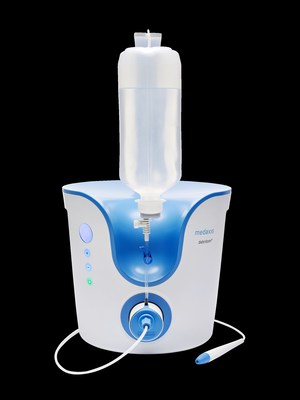
debritom+ by Medaxis: A New Treatment Method Shows Promise In Wound Healing

PLANO, Texas, June 6, 2022 /PRNewswire/ — Non-healing diabetic foot wounds are increasing in prevalence, and create a higher risk for infection, osteomyelitis and amputation. To facilitate appropriate wound healing processes, proper debridement of the wound bed is critical to remove non-viable tissue and bacterial biofilm. Traditional debridement methods involve the use of a sharp blade, a method that often results in the removal of healthy, viable tissue and pain for the patient. In contrast, the Swiss wound care company, Medaxis has developed the debritom+ to precisely clean acute and chronic wounds in a tissue-preserving manner. By using Micro Water Jet technology, the debritom+ removes the unhealthy tissue such as fibrin, necrosis, and biofilm efficiently while performing a precise mechanical cleaning and stimulation of the wound base to enhance granulation and healing.


Results from the interim analysis of a Multicenter Randomized Control Trial (NCT04564443) that has been accepted for presentation this week at the American Diabetes Association annual meeting in New Orleans, showed that weekly debridement using the debritom+ nearly doubled the rate of wound healing from 40% to 72% compared to the use of traditional methods. Also shown was a significant improvement in wound size reduction (87% versus 35%), while also reducing the frequency of infections and complications.


Study Chair, Professor David Armstrong DPM MD PhD of Keck School of Medicine of University of Southern California noted “The early data suggests great promise that better debridement tools can improve wound closure and decrease diabetic foot related complications and infections. This study supports that improved debridement methods, combined with good quality dressings and offloading, is beneficial and possibly synergistic to achieve wound healing in non-healing diabetic foot ulcers.”


“To initiate wound healing, a quality debridement is key to success. In contrast to traditional debridement methods that remove both the non-viable and healthy tissue, the debritom+ by Medaxis removes only the non-viable tissue while preserving the healthy tissue underneath. By creating microbleeding and providing the oxygenation to the wound that is necessary for starting the healing process, the debritom+ has now been proven to initiate healing in nearly twice as many wounds as with traditional methods with six-times fewer infections and complications” stated Dr. Mark Cregan, Managing Director of Medaxis USA.


Beat Moser, CEO of Medaxis said “These results validate the design philosophy of the Medaxis debritom+. The use of our patented Micro Water Jet Technology has now been proven to significantly improve wound healing outcomes. I have always believed that clean wounds heal better, and now we have the hard evidence.”


To view the study results, or for more information about the debritom+ by Medaxis, please see www.medaxis.us, email info@medaxis.us, or call (312) 483-6214


SOURCE Medaxis LLC


This article was originally published here

Skin biopsy? Here are tips on wound care

A skin biopsy is often used to diagnose skin cancer and other skin conditions … It involves the removal of a small amount of skin, which is examined under a microscope. Afterwards, you’ll need to look after the biopsy location to make sure it heals properly … Your dermatologist will treat the small wound from the skin biopsy during your visit,” said dermatologist Dr. Rajiv Nijhawan, an associate professor at UT Southwestern Medical Center in Dallas … read more

Microbion Corporation Receives up to $2.1 million in Funding Support from the US Navy

in Partnership with CUBRC, Inc. to Advance Topical Pravibismane


Funding will support exploratory phase 2 proof-of-concept study in patients hospitalized for moderate to severe diabetic foot ulcer infection (DFI)


BOZEMAN, Mont. and VANCOUVER, BC, June 7, 2022 /PRNewswire/ – Microbion Corporation of Bozeman, MT, today announced that it has received non-dilutive funding through its strategic partnership with CUBRC, Inc., a Buffalo-based, independent not-for-profit research company, of up to $2.1 million from the US Navy through the Medical Technology Enterprise Consortium (MTEC) partnership. The funding project is titled “Pravibismane Suspension as a Topical, Broad Spectrum Anti-Infective Wound Care Treatment and Prevention for Combat Injury-Related Infections”. The funding received will be used to support the conduct of an exploratory phase 2 proof of concept trial in patients hospitalized for moderate to severe diabetic foot ulcer infection with enrollment expected to begin in Q2 2022.


“We are pleased to be supported by the US Navy and MTEC and are working closely with them to advance our topical pravibismane through phase 2 proof-of-concept studies,” said Karim Lalji, CEO of Microbion Pharma Corp. “Our topical diabetic foot ulcer infection program is well aligned to the Navy’s interest in innovative wound care technologies to treat and prevent biofilm-related infections, since biofilm contamination is a hallmark characteristic of chronic foot ulcer infections. Further exploration of pravibismane’s safety and efficacy in overcoming biofilm-related DFI may potentially expand the clinical utility of topical pravibismane to treat combat wound infections in a variety of settings, including in the field and hospital.”


Lester Martinez, MD, MPH, Major General (Retired), U.S. Army, President and Chairman of MTEC Board commented on the importance of Microbion’s research. “Though diabetic foot ulcer infections aren’t traditionally thought of as a combat related wound suffered in the field, diabetes is a serious disease that affects a significantly high percentage of our veterans and its complications such as DFI contributes to decline in health, quality of life and are responsible for the vast majority of non-combat amputations among veterans. Microbion’s research into healing these wounds with the ultimate goal of preventing or delaying amputations can potentially improve the daily lives of these patients and return normal mobility,” Dr. Martinez stated.


Pravibismane is the first in a new class of anti-infective drugs structurally unrelated to other clinically utilized antibiotics. With a novel mechanism of action, pravibismane shuts down bacterial ATP production thereby halting global bacterial cellular metabolism. In in vitro studies, pravibismane exhibits broad-spectrum, potent activity against DFI-relevant pathogens and their biofilms including MRSA and drug resistant P. aeruginosa.


In a randomized, double-blind, placebo-controlled Phase 1b trial treating patients with chronic moderate to severe diabetic foot ulcer infection, topical pravibismane treatment plus standard of care demonstrated a numeric 85% wound size reduction versus 30% placebo plus standard of care. Pravibismane also demonstrated a numeric reduction in ulcer-related amputation (2.6% in the pravibismane group vs 15.4% placebo).


DFIs are a major health concern in the Veterans Health Administration as DFUs are associated with a substantial mortality rate (five-year mortality rates are as high as 45% for neuropathic ulcers and 55% for ischemic ulcers1) and often require amputation to fully address the nidus of infection.2 Approximately 28.5 million adults in the US are diagnosed with diabetes, of whom 15 – 25% are at risk of developing a foot ulcer.3,4 More than half of diabetic foot ulcers become infected.5 DFIs remain the most frequent diabetic complication requiring hospitalization and are the most common precipitating event leading to lower extremity amputation.6 Furthermore, recent studies suggest that many DFIs are caused by bacteria in a biofilm mode.6 In 2018, there were ~8.25 million hospital discharges with diabetes reported, including 154,000 for a lower-extremity amputation.3 US Veterans Affairs estimates there were 20.3 million living Veterans in 2018.7 The overall prevalence of diabetes among US veterans is ~25%, which is higher than the US civilian population at ~9%.8


References:

  1. Del Core MA, Ahn J, Lewis RB, et al. The evaluation and treatment of diabetic foot ulcers and diabetic foot infections. Foot & Ankle Orthopaedics. 2018;3:3. doi:10.1177/2473011418788864
  2. Sundararajan PP, Porter BM, Grant KA, et al. Foot infections in the Veterans Health Administration. The Foot and Ankle Online Journal. 2015;8(3):1. doi:10.3827/faoj.2015.0803.0001
  3. Centers for Disease Control and Prevention. National Diabetes Statistics Report website. https://www.cdc.gov/diabetes/data/statistics-report/index.html, accessed June 6, 2022
  4. Lavery LA, Davis KE, Berriman SJ, et al. WHS guidelines update: Diabetic foot ulcer treatment guidelines. Wound Repair Regen. 2016;24(1):112–26. doi: 10.1111/wrr.12391
  5. Armstrong, DG, Boulton, AJM, and Bus, SA. Diabetic foot ulcers and their recurrence. N Engl J Med. 2017;376:2367-75. doi: 10.1056/NEJMra1615439
  6. Lipsky et al. Guidelines on the diagnosis and treatment of foot infection in persons with diabetes (IWGDF 2019 update). Diab Metab Res Rev. 2020. e3280. doi: 10.1002/dmrr.3280
  7. VETPop2018: A Brief Description. Web: https://www.va.gov/vetdata/docs/Demographics/New_Vetpop_Model/VP_18_A_Brief_Description.pdf, accessed June 6, 2022
  8. Liu Y, Sayam S, Shao X, et al. Prevalence of and trends in diabetes among veterans, United States, 2005–2014. Prev Chronic Dis. 2017;14:170230. doi: 10.5888/pcd14.170230


About Microbion
Microbion is a clinical-stage pharmaceutical company developing a new class of therapeutic compounds to improve the lives of patients with rare and serious diseases. Microbion’s lead drug candidate, pravibismane, is the first product in this new class and has a novel mechanism of action offering unique potential to address the unmet needs of chronic and severe health conditions. The Company is advancing inhaled pravibismane in Phase 1 clinical development for the treatment of chronic lung diseases, including non-tuberculous mycobacteria (NTM) and cystic fibrosis-related lung infections. Topical/local pravibismane is in Phase 2 development for the treatment of chronic wounds and orthopedic infections. Pravibismane has received backing from the Cystic Fibrosis Foundation, NIH, US DoD, and CARB-X with over $21 million in grants. The FDA has granted pravibismane with Orphan Drug, Fast Track, and QIDP designations. Microbion Pharma Corp. is a wholly owned subsidiary of Microbion Corporation. For more information visit: www.microbioncorp.com.


About CUBRC
CUBRC is an independent not-for-profit scientific corporation that executes Research, Development, Testing and Systems Integration programs in Medical Sciences, Chemical and Biological Defense, Data Science and Information Fusion, Command and Control, and Hypersonics. For more information visit: www.cubrc.org.


Safe Harbor Statement
Certain of the statements made in this press release are forward-looking, such as those, among others, relating to the success of clinical development of pravibismane and preparation for potential commercialization. These statements are subject to risks and uncertainties that could cause actual results and events to differ materially from those anticipated, including, but not limited to, risks and uncertainties related to: our ability to enroll patients in our clinical trials at the pace that we project; the size and growth of the potential markets for pravibismane or any future product candidates and our ability to serve those markets; our ability to obtain and maintain regulatory approval of pravibismane or any future product candidates; and our expectations regarding the potential safety, efficacy or clinical utility of pravibismane or any future product candidates. Actual results or developments may differ materially from those projected or implied in these forward-looking statements. Microbion Corporation disclaims any intention or obligation to update or revise any forward-looking statements, whether as a result of new information, future events or otherwise.


US Government Funding Disclaimer
Efforts described herein were partially sponsored by the Government under Other Transactions Number W81XWH-15-9-0001. The U.S. Government is authorized to reproduce and distribute reprints for Governmental purposes notwithstanding any copyright notation thereon. The views and conclusions contained herein are those of the authors and should not be interpreted as necessarily representing the official policies or endorsements, either expressed or implied, of the U.S. Government.


SOURCE Microbion Corporation

This article was originally published here
Compression Therapy to Manage Edema for Patients With Diabetic Ulcers

Lucian G. Vlad, MD


The use of compression in controlling venous reflux is well known. Less well-known is the use of compression wraps to manage edema associated with diabetic ulcers, which may or may not be combined with venous conditions.1,2 It was estimated that 38% to 55% of patients with diabetic foot ulcers have lymphedema complications.3,4 Among patients with venous leg ulcers, at least 23% to 27% have diabetes.5,6 It is clear there is an overlap between these two types of chronic wounds as they share some common pathophysiologic conditions such as obesity, decreased physical activity, and cardiovascular concerns. The use of compression wraps to control edema and reduce venous congestion could facilitate wound healing by improving microcirculatory skin changes associated with diabetes. Wounds in patients with diabetes have varying degrees of lymphedema related to periwound swelling and glycocalyx dysfunction. According to the International Working Group on Diabetes,7 the use of knee-high offloading boots … read more

Device-related pressure ulcers: SECURE prevention. Second edition

Amit Gefen, Catherine T Milne, Fiona Coyer, Guido Ciprandi, Karen Ousey, Nicola Waters, Norihiko Ohura, Paulo Alves, Peter Worsley


We have over 100 resources, free for everyone to browse and read and share. These resources are suitable for a range of skin and wound care disciplines, roles, and educational purposes

Although great strides have been made to tackle hospital-acquired pressure ulcers (HAPUs), there is a need for greater recognition of device-related pressure ulcers (DRPUs), including their causes, management and prevention. This consensus statement, an updated second edition, aims to continue raising awareness of these largely preventable injuries and, crucially, to stimulate action … read more

Negative pressure wound therapy for surgical wounds healing by primary closure

Cochrane Wounds Group, Gill Norman, corresponding author Chunhu Shi, En Lin Goh, Elizabeth MA Murphy, Adam Reid, Laura Chiverton, Monica Stankiewicz, and Jo C Dumville


Indications for the use of negative pressure wound therapy (NPWT) are broad and include prophylaxis for surgical site infections (SSIs). Existing evidence for the effectiveness of NPWT on postoperative wounds healing by primary closure remains uncertain … To assess the effects of NPWT for preventing SSI in wounds healing through primary closure, and to assess the cost‐effectiveness of NPWT in wounds healing through primary closure … read more

How to Treat and Prevent Medical Device–Related Pressure Injuries

By Margaret Heale, RN, MSc, CWOCN


How to Help Patients Protect the Skin They’re In
Medical device–related pressure injuries (MDRPIs) are recognized as a significant problem, evidenced by the inclusion in the National Pressure Injury Advisory Panel pressure injury definitions and described by Pitman and Gillespie in 2020.1 Prevention of medical device-related pressure injuries is a goal that may be achieved through meticulous patient care … read more

Prosthetic Management of the Partial Foot Amputation

Widely published data show that prosthetic outcomes for PFAs have not been satisfactory, either from a medical outcome or from a patient satisfaction point of view.
In June 2021 a post from an O&P practitioner was listed on the O&P list serve1 asking for recommendations on managing a Chopart amputation. There were an incredible array of answers including:

  • (Go to) BKA—don’t even waste your time
  • Gauntlet style AFO
  • … abbreviated CROW walker
  • Custom molded total contact partial foot orthotic / depth inlay shoe with rocker soles
  • Matching shoe for the other side with lift
  • Gauntlet style AFO with toe filler, made into a walking boot
  • SACH heel and rocker bottom on shoe—soft custom-made silicone foot bed

read more

Pyoderma Gangrenosum Masquerading as Wound Infection in the Early Postoperative

Period After Lumbar Spine Deformity Correction Surgery


Bryce S. Owen, Mark A. Pacult, Bryan S. Lee


Pyoderma gangrenosum (PG) is a rare immunologic phenomenon that mimics a surgical site infection (SSI). PG typically manifests as painful skin pustules that can rapidly progress to large necrotic ulcers with raised violaceous borders [1]. Because skin conditions caused by PG may appear to be necrotic, PG is often misdiagnosed as an SSI, which can lead to delays in definitive treatment, unnecessary procedures, and significantly increased healthcare costs [2]. The pathogenesis of PG, which occurs in tandem with other autoinflammatory diseases, is thought to be due to the dysfunctional activation of neutrophils and aberrant T cell activation and cytokine stimulation [3-5]. This hypersensitivity reaction may be triggered by skin trauma, which is a phenomenon known as pathergy, and it occurs in less than 1% of patients with PG [6-8]. Postoperative PG is most commonly described after surgery involving the abdomen or breast [9-14]. Only three studies note PG appearing in the postoperative setting after spine surgery … read more

Three Nutritional Indices Are Effective Predictors of Mortality in Patients With Type 2 Diabetes and Foot Ulcers

Jing Hong, Qi-Qi Huang, Wen-Yue Liu, Xiang Hu, Fei-Fei Jiang, Ze-Ru Xu, Fei-Xia Shen, and Hong Zhu


Patients with diabetic foot ulcers (DFUs) are considered to be with an excess risk of all-cause mortality (1), facing a 5-year mortality as high as 30.5% which is comparable to cancer (2). Additionally, the mortality of patients with DFUs is more than 2-folds higher than patients with diabetes but without DFUs (3). The excess all-cause mortality in patients with DFUs cannot fully be explained by traditional cardiovascular risk factors (4). The importance of other factors, such as nutritional status, needs to be further elucidated.

Patients with DFUs, especially those with Wagner grade 4 and 5, were more vulnerable to malnutrition compared to patients without DFUs (5). Malnutrition was found to be associated with higher complications, longer hospital stays, and increased mortality in hospitalized patients (6). Malnutrition is often ignored but modifiable. Identifying patients at risk of malnutrition is important … read more

Net Health’s Tissue Analytics for Wound Care Granted Breakthrough Device Status by FDA

First time an EHR company has received Breakthrough Device Status


PITTSBURGH, June 2, 2022 /PRNewswire/ — Net Health, a provider of specialty electronic healthcare record (EHR) and predictive analytics software, announced today that Tissue Analytics, the company’s AI-powered wound imaging and analysis software, has been granted Breakthrough Device Status by the U.S. Food & Drug Administration (FDA). Tissue Analytics received the rare designation because of its novel diagnostic algorithms. The Company believes the FDA designation represents the first time an EHR company has been granted such designation.


Breakthrough Status indicates that the FDA believes the Company’s novel diagnostic Software as a Medical Device (SaMD) could provide more effective treatment or diagnosis of a life-threatening or debilitating condition, such as hospital-acquired pressure injuries (HAPIs), venous and diabetic foot ulcers and other non-healing wounds. Breakthrough Status is not granted solely on the severity of the device’s applicable condition. The submission must also meet one of the following criterion: the proposed device represents “breakthrough technology” as defined by the FDA; no other approved or cleared alternatives exist; the device offers significant advantages over existing approved or cleared alternatives; or the device availability is in the patient’s best interest.


Net Health’s Tissue Analytics Technology Pushes the Boundaries

“Finding ways to help our clients more quickly and accurately identify potentially life-threatening wounds and manage associated costs has been a priority for more than 20 years,” said Josh Pickus, CEO of Net Health. “The FDA designation highlights that Net Health is redefining EHRs as much more than simple documentation systems. Our intelligent AI-driven analytics solutions are pushing the boundaries of EHRs and helping change healthcare outcomes.”


Thu, June 2, 2022, 8:00 AM·3 min read
First time an EHR company has received Breakthrough Device Status


PITTSBURGH, June 2, 2022 /PRNewswire/ — Net Health, a provider of specialty electronic healthcare record (EHR) and predictive analytics software, announced today that Tissue Analytics, the company’s AI-powered wound imaging and analysis software, has been granted Breakthrough Device Status by the U.S. Food & Drug Administration (FDA). Tissue Analytics received the rare designation because of its novel diagnostic algorithms. The Company believes the FDA designation represents the first time an EHR company has been granted such designation.


(PRNewsfoto/Net Health Systems, Inc.)
Breakthrough Status indicates that the FDA believes the Company’s novel diagnostic Software as a Medical Device (SaMD) could provide more effective treatment or diagnosis of a life-threatening or debilitating condition, such as hospital-acquired pressure injuries (HAPIs), venous and diabetic foot ulcers and other non-healing wounds. Breakthrough Status is not granted solely on the severity of the device’s applicable condition. The submission must also meet one of the following criterion: the proposed device represents “breakthrough technology” as defined by the FDA; no other approved or cleared alternatives exist; the device offers significant advantages over existing approved or cleared alternatives; or the device availability is in the patient’s best interest.


Net Health’s Tissue Analytics Technology Pushes the Boundaries


“Finding ways to help our clients more quickly and accurately identify potentially life-threatening wounds and manage associated costs has been a priority for more than 20 years,” said Josh Pickus, CEO of Net Health. “The FDA designation highlights that Net Health is redefining EHRs as much more than simple documentation systems. Our intelligent AI-driven analytics solutions are pushing the boundaries of EHRs and helping change healthcare outcomes.”


Deployed by hundreds of healthcare organizations, including leading hospitals, health networks, and independent wound care clinics, Tissue Analytics’ novel diagnostic solution analyzes skin injury images and patient data using machine learning technology. This new level of analysis will allow Tissue Analytics to eventually provide new diagnostic elements as a complement to its current measurement generation imaging software, pending approval of its forthcoming marketing submission.


In granting the Breakthrough Device Status, the FDA recognized that the software could help wound care providers improve care by standardizing the diagnosis and care process of triaging patients with chronic, non-healing wounds with poor healing trajectories. In addition, the Agency noted that the “product will aid clinicians throughout the referral process with additional diagnostic information that can inform the wound care experts’ ultimate diagnosis and plan of care for chronic, non-healing wounds.”


“A first of its kind advancement like Tissue Analytics’ novel imaging functionality will make the clinical workflow for wound care safer, more effective, and ultimately more efficient,” said Alex Cadotte, Ph.D., ex-FDA Team Lead and now Director of Software and Digital Health at MCRA, LLC. “The FDA’s breakthrough designation acknowledges that Tissue Analytics is a first-of-its-kind device in Wound Care. The designation will also facilitate a collaborative conversation with FDA, which will ultimately be a win for public health.”


For more information on Tissue Analytics, visit https://www.nethealth.com/solutions/wound-care-tissue-analytics/ or https://www.tissue-analytics.com/ .


Net Health’s mission is to harness data for human health. Net Health solutions are trusted in over 23,000 facilities across the continuum of care. Our EHR software enables caregivers and their organizations to engage effectively with patients, streamline documentation, staff efficiently, secure maximum appropriate reimbursement and maintain regulatory compliance. Our unique approach to analytics seamlessly presents insights in clinical and operational workflows to improve care and business performance. Net Health is a portfolio company of The Carlyle Group, Level Equity and Silversmith Capital Partners. www.nethealth.com.


View original content to download multimedia:https://www.prnewswire.com/news-releases/net-healths-tissue-analytics-for-wound-care-granted-breakthrough-device-status-by-fda-301560059.html


SOURCE Net Health Systems, Inc.

The Growing Risk of Wound Care Negligence for Home Health Providers

With wound care services becoming more prevalent in the home health care world, the risk of being liable for negligence has become greater for providers … Due to the Patient-Driven Groupings Model (PDGM) and changing demographics — among other reasons — wound care has gotten more popular among home health care providers of late. And yet, it comes alongside cautionary tales that many providers may not be completely attuned to … read more

Low Vitamin D Links With Increased Diabetic Foot Ulcers

Researchers published the study covered in this summary on researchsquare.com as a preprint that has not yet been peer reviewed.

Key Takeaways

  • Low serum levels of vitamin D were significantly associated with a higher prevalence of diabetic foot ulcers in elderly patients with diabetes.
  • Average serum levels of 25-hydroxy-vitamin D (25-OH-D) (vitamin D3, the major circulating form of vitamin D in people) steadily decreased as the severity of diabetic foot ulcers increased, as measured by the Wagner classification.
  • Elderly people with diabetes should undergo routine vitamin D screening or receive vitamin D supplementation to prevent the onset or improve the prognosis of diabetic foot ulcers, the authors say.

read more

Healogics aims to educate the community during wound care awareness week

JACKSONVILLE, Fla., June 1, 2022 /PRNewswire/ — Healogics® the nation’s leading provider of world-class wound care, is helping raise awareness of the risks of chronic wounds during the ninth annual Wound Care Awareness Week, June 6-10.


Healogics established Wound Care Awareness Month in 2014 to bring attention to the growing need for wound care and the nearly 7 million Americans currently living with chronic wounds. Leaders across the nation are dedicating the entire week to educating physicians, patients and the general public about the prevalence of chronic wounds and the advanced wound care solutions that are available.


The incidence of chronic wounds is rising due to our aging population and increasing rates of disease. Various conditions like diabetes, PAD, cardiovascular disease, COPD, and obesity increase the likelihood of a person having a chronic wound. The most common wounds that Americans experience include:

  • Pressure Ulcers (43%)
  • Diabetic Foot Ulcers (31%)
  • Venous Stasis Ulcers (12%)
  • Surgical Wounds or Trauma (8%)
  • Arterial Ulcers (6%)


If left untreated, chronic wounds contribute to a diminished quality of life and can lead to complications, such as infection, hospitalization, and even amputation of the affected limb. Even more alarming, more than half of people die within five years of amputation.


The effects of the COVID-19 pandemic have brought the amputation risk to the forefront, as many suffering from chronic wounds have not sought needed care during the past two years. The result has been a steep rise in amputations, according to a study from the American Diabetes Association.


“The rising rate of amputation continues to drive our education efforts in the community. Wound Care Awareness Month is an opportunity to come together with new resources, tools and educational materials with the goal to improve access to wound care for all who need it,” said David Bassin, Chief Executive Officer.


With this in mind, now is the perfect time for those suffering from chronic wounds to seek advanced wound care available at a Healogics Wound Care Center®.


“Wound Care Centers continue providing the necessary and important care that patients need through COVID-19. It’s imperative we continue educating the community about the advanced therapies for patients suffering from chronic wounds,” said William Ennis, D.O., Chief Medical Officer. “I celebrate Wound Awareness Week in my community, and I applaud my fellow colleagues who continue to change the lives of the patients we serve.”


Visit www.woundcareawareness.com to learn more about Wound Care Awareness Week and hear from patients about how wound healing changed their lives.


ABOUT HEALOGICS
Headquartered in Jacksonville, Fla., Healogics, LLC is the nation’s wound healing expert. Last year over 300,000 patients received advanced wound care through a network of over 600 Wound Care Centers. Healogics also partners with over 300 skilled nursing facilities to care for patients with chronic wounds and provides inpatient consults at more than 60 partner hospitals. As the industry leader, Healogics has the largest repository of chronic wound-specific patient data in the country. The Healogics Wound Science Initiative offers peer-reviewed research and advanced analytics in the pursuit of not only better outcomes, but a better way to provide care.


This article was originally published here
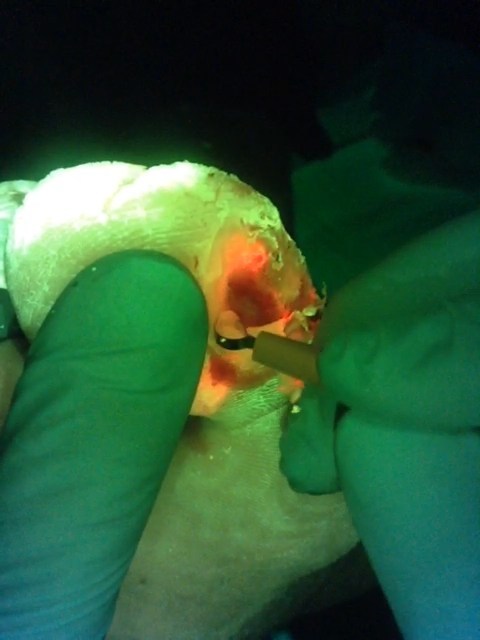
6 skin biopsy wound care tips from dermatologists

Dr. Rajiv Nijhawan, MD, FAAD


Skin cancer is the most common form of cancer. It is estimated that one in five Americans will develop skin cancer in their lifetime. As Skin Cancer Awareness Month continues, it’s important to check your skin regularly, and if you notice a spot on your skin that is different from others or that changes, itches, or bleeds, make an appointment to see a board-certified dermatologist.

If you notice anything suspicious on your skin, your dermatologist will examine it and may perform a skin biopsy. For many skin diseases and conditions — including skin cancer and some rashes — a skin biopsy is the best way to confirm the diagnosis. A skin biopsy can be done during an office visit with your dermatologist using local anesthesia to numb the area. During a skin biopsy, your dermatologist removes a small amount of skin, which will be looked at under a microscope to make a diagnosis.

“Your dermatologist will treat the small wound from the skin biopsy during your visit,” said board-certified dermatologist Dr. Rajiv Nijhawan, MD, FAAD. “Continuing to care for your wound once you get home is important because it will help it heal, reduce scarring, and decrease chances of infection.”
read more

What Are the Advantages of Multilayer Compression Bandaging for Chronic Venous

Insufficiency, Lymphedema, and Phlebolymphedema?


by Tia Gray, PTA, CLT, CWT and Donald Thomas, PT, DPT, CLT-LANA, CWT


As lymphedema and wound care therapists at Penn Therapy & Fitness, we often see scenarios like those in the cases described in our abstract presented as a poster at the recent Symposium on Advanced Wound Care. Conditions such as lymphedema, chronic venous insufficiency, and phlebolymphedema that manifest in patients with wounds can lead to catastrophic and life-threatening skin breakdown (degradation). Complications of infections associated with lymphedema include cellulitis, lymphangitis, lymphadenitis, and ulcerations where protein-rich fluid provides a perfect medium for microbial growth. Challenges can also develop when there are … read more

Blood Clots, and What?

Terry Treadwell


We in wound care are always concerned with blood clotting because venous clotting (deep vein thrombosis [DVT]) can be associated with chronic venous disease, chronic edema, lymphedema, and venous ulcers. When a person presents to the wound clinic for evaluation with any of the above problems, they are examined for known or unrecognized thrombophlebitis. A new association with blood clotting has been noted, which many in wound care may not realize—the patient using marijuana. Yes, hypercoagulation and blood clotting have been associated with the use of marijuana, especially in trauma patients.1-4 I am sure others may think this is not a problem in their wound clinic … read more

Facebook live: improving hard-to-heal wounds by managing oedema and fibrosis

Join us Thursday 30th June, for a clinical training session on improving hard-to-heal wounds with a specific focus on oedema and fibrosis, brought to you by Journal of Community Nursing in partnership with Thuasne.
‘Improving hard-to-heal wounds by managing oedema and fibrosis’ will be presented by Julie Stanton, Director of Nursing, Pioneer Wound Healing & Lymphoedema Centres.
You will have the opportunity to ask Julie any questions you may have during the real-time Q&A following the presentation. You will also receive a certificate of attendance upon completion of the session, which can be used towards your CPD revalidation portfolio.
Click ‘Going’ to register and receive further updates … read more

Wounds Australia 2022 Conference

2022 is a time to heal, a time to unite and a time to innovate.

In September 2022 leading experts and delegates from around the world will come together to explore the current developments, innovations, practice and research that unite and heal at the Wounds Australia 2022 Conference.

A unique opportunity for professionals working in the field of wound management and care to participate in an exciting and challenging program. Delegates will actively engage with industry leaders and experts across a range of fields to reflect and critically assess the history of wound care, investigate current practise and the progress that has been made and explore opportunities for future innovations.

We are excited that the Wounds Australia 2022 Conference will enable delegates to reconnect, in person, after nearly two years of incredible challenges. The Conference will deliver a scientific and social program that is all about healing, uniting and innovating for the future … read more

5-Minute Podiatry Clinical Challenge Week 25 – Diabetic Foot Ulcer in Complex Patient

Robert G Smith, DPM, MSc, RPh, CPRS


A 48-year-old male returns to the outpatient podiatry clinic seven months after initial evaluation of a plantar ulcer beneath the second metatarsal head of his right foot. During the subjective interview, he explains that he waited to come back to the clinic until his foot sore was “healed”. He feels his “sugar diabetes” is better because his “hemoglobin sugar” is now 11 mg/dL down from 12.9 mg/dL. He admits to smoking one pack of cigarettes per day and … read more

Sampling the skin surface chemistry for diagnosis and prognosis

Guy H. M. Stanley MS, Katie Wang MD, BSc, Patrick Daly MB BCH BAO, Christopher Lau BPharm (Hons) MD, Aoife M. O’Brien MB BCH BAO, Cheryl Hamill, Mark Fear PhD, Fiona M. Wood MBBS FRACS


Skin and wound blotting are non-invasive techniques used to sample the skin and wound surface chemistry, whereby a nitrocellulose membrane is applied to an intact or broken cutaneous surface to detect biomarkers. However, there has been no comprehensive review of the evidence for the techniques used and data obtained to date. The primary aim of this study was to review the utilities of surface blotting for the diagnosis and prognosis of physiological, pre-disease, and pathological states. The secondary aim was to summarise the procedural steps. A systematic literature search was conducted on 9 July 2021 using Medline, Embase, and Google Scholar databases. Investigators used McMaster’s Critical Review Form for Quantitative Studies to assess quality, then performed a narrative synthesis reporting according to Preferred Reporting Items … read more

Chronic Wounds: Economic Impact & Costs to Medicare

A new study, “An Economic Evaluation of the Impact, Cost, and Medicare Policy Implications of Chronic Nonhealing Wounds,” published in the International Society For Pharmacoeconomics and Outcomes Research’s Value in Health journal (Jan. 2018) demonstrates the economic impact and full burden of chronic nonhealing wounds in the Medicare population. The study analyzed the Medicare 5% Limited Data Set for CY2014 to determine the cost of chronic wound care for Medicare beneficiaries in aggregate, by wound type, and by setting. Topline findings show that chronic wounds impact nearly 15% of Medicare beneficiaries (8.2 million) at an annual cost to Medicare conservatively estimated at $28.1 to $31.7 billion … read more

Top Ten Things You Need to Know About HBOT #8: HBOT Mechanism: More Than Correction of Hypoxia

Denise Nemeth, MPAS, CWS
Jayesh B. Shah, MD, MSc, UHM ABPM, CWSP, FAPWCA, FCCWS, FACHM FUHM, FACP


Hyperbaric oxygen therapy (HBOT) is an accepted therapeutic modality for use in several medical conditions including problem wounds. HBOT enhances oxygen supply to hypoxic tissues and increases wound healing and tissue remodeling capacity. Currently, HBOT therapy is applied in a wide range of clinical conditions.

In the third in a series of articles, these authors continue counting down the top ten things you need to know about HBOT.
read more

Accuracy of the Ankle-brachial Index in the Assessment of Arterial Perfusion of Heel Pressure Injuries

Abstract: Background. The evaluation and treatment of heel pressure injuries are a significant and expensive sequela of the aging population. Although the workup of patients with lower extremity tissue loss usually involves an assessment of the arterial blood flow by means of noninvasive vascular testing, the results may be misleading in patients with heel pressure injuries when the ankle-brachial index (ABI) does not provide direct information about perfusion of the rearfoot. The objective of this retrospective, observational investigation was to determine if noninvasive vascular testing provides accurate and reliable results in patients with heel pressure injuries … read more

Analysis of the Effect of Wound-Edge Microgranular Skin Grafting in the Treatment of Various Small Wounds

Tiannan Chen, Yuesen Lin, Chengshuo Cui, Fangfang Zhang, Tingting Su, Kaiyu Guo, Jialin Hu


In recent years, people have paid more and more attention to beauty, and the healing of various small wounds has attracted more and more attention.1 If there is no intervention, only a simple dressing change may end up with a large scar on the affected area, which will affect the function, and at the same time, the infection may become worse or even difficult to heal. Such wounds routinely require surgery such as abdominal embedment, skin grafting or skin flap transfer to avoid aggravation of infection, heal the wound, and restore the function of the affected area. However, patients are generally unwilling to perform such operations, especially in patients with acute and chronic wounds or third-degree burns in various parts of the body. Burns and chronic wounds are independent risk factors affecting wound healing. For patients with burns or chronic wounds complicated with type 2 diabetes, the difficulty of wound healing is greatly increased. How to repair lower limb ulcer wounds in patients with burns or chronic wounds and diabetes has become a clinical challenge. However, because some patients with large-area burns have less autologous skin sources, postoperative wound repair is more difficult,2 or because the physical conditions cannot tolerate anesthesia, when the wound condition … read more

Nanotechnology Effective in Chronic Wound Healing?

The incidence of chronic wounds is increasing due to aging population and the augment of people afflicted with diabetes. Knowledge on the biological mechanisms underlying these diseases, there is a lot of medical technologies to conventionally treat the wound however wound healing differs from person to person … Several nanotechnologies have been developed demonstrating unique characteristics that address specific problems related to wound repair mechanisms. A review in Advance wound care journal, focused on the most recently developed nanotechnology-based therapeutic agents and evaluated the efficacy of each treatment in diabetic models … The success of topically administered growth factors in chronic wounds is limited. Due to their short in vivo half-life, low absorption rate through the outermost skin later around the wound, as well as rapid elimination by exudation before reaching the wound bed, might limit the efficacy of growth factors topical application … Conventional medications containing growth factors need to be applied in high doses and/or be repeatedly administrated over a long period, leading to important side effects and increasing the cost of the therapy. Presently, platelet-derived growth factor , fibroblast growth factor, and epidermal growth factor are widely studied for their application … read more

MolecuLight Added to the ISWCAP 2022 Consensus Guidelines for Optimising Prevention of Surgical Wound Complications

Authors of International Consensus Suggest that Fluorescence Imaging of Bacterial Burden is Positioned to Change Contemporary Paradigms of Post-Surgical Wound Management


Toronto, CANADA and London, UK – (June 1, 2022) MolecuLight Inc., the leader in point-of-care fluorescence imaging for detection and localization of elevated bacterial load in wounds, announced that it has been added to the new 2022 Consensus Guidelines of the International Surgical Wound Complications Advisory Panel (ISWCAP). The document, “Optimising Prevention of Surgical Wound Complications: Detection, Diagnosis, Surveillance and Prediction”1 presents an international consensus recommending approaches for the early detection, diagnosis and prediction of surgical wound complications in order to optimise incisional wound healing outcomes for patients.


Surgical wound complications remain a significant challenge for clinicians around the globe, representing one of the leading global causes of morbidity following surgery. The incidence of surgical wound complications, including surgical site infections (“SSI”), continues to rise. The development of a SSI is associated with a marked increase in morbidity, a 2-to 11-fold increase in mortality rate, and prolonged hospital stays2. Approximately 2-5% of surgical wounds in the US develop a SSI3 – 6 at an annual cost of up to $10 billion6-9. This includes extended hospital stays, readmissions and additional resources to manage complications.


In the consensus guidelines, the ISWCAP expert group noted that “the role of diagnostic technology is of particular importance in identification of surgical wound complications as it provides an objective means of detecting infection or another surgical wound complication without having to rely on clinician judgement – i.e. it helps to remove the subjective ‘human factor’ from identification and diagnosis”10.


MolecuLight’s point-of-care fluorescence imaging system is identified in the consensus because of its proven utility to quickly and non-invasively identify surgical site infections:

The ISWCAP expert group agreed that point-of-care fluorescence imaging is a diagnostic technology that could be of significant benefit in early identification of surgical site infections and may be a useful tool for early detection of other surgical wound complications10


The consensus also notes how fluorescence imaging is being used to guide detection of pathogenic activity and is providing useful insights and potentially changing current clinical assessment and diagnosis paradigms.11 Numerous studies have established the utility of the MolecuLight point-of-care technology in chronic wounds12, 13 (Le et al, 2020; Price, 2020). “The use of this technology in detection of SSI is an emerging field showing promising results”, notes the consensus. An example is “a recent study, ’Uncovering the high prevalence of bacterial burden in surgical site wounds with point-of-care fluorescence imaging’14, illustrated an 11-fold sensitivity in detection of infection by the MolecuLight device compared to clinical signs and symptoms alone (Sandy-Hodgetts et al, 2021)”.11


“Due to its ability to quickly and reliably detect bacterial burden at the point-of-care, fluorescence imaging using the MolecuLight device is positioned to change contemporary paradigms of post-surgical wound management”, says lead author Kylie Sandy-Hodgetts, PhD, Founder and inaugural President of the ISWCAP. “Early detection and prevention of surgical wound complications, including SSIs, are the ISWCAP’s key areas of focus. Novel diagnostic technology for earlier detection and intervention is imperative to optimise surgical wound outcomes. MolecuLight’s point-of-care fluorescence imaging of critical bacterial burden is at the forefront of that much needed initiative.”


References:

1Sandy-Hodgetts K et al, “Optimising prevention of surgical wound complications: Detection, diagnosis and prediction”, Wounds Intl., 2022
2Hatch MD et al. J Shoulder Elbow Surg. 2017;26(3):472-4777 3 Ban KA et al. J Am Coll Surg. 2017;224(1):59-74
4 Berrios-Torres SI et al. JAMA Surg. 2017;152(8):784-791 5 Institute CPS. Canadian Surgical Site Infection Prevention Audit. 2016 6 Si D et al. BMC Infect Dis. 2014;14:318
7 Badia JM, et al. J Hosp Infect. 2017;96(1):1-15
8 McLaws ML et al. J Hosp Infect. 2003;53(4):259-267
9 Sullivan E et al. Surg Infect (Larchmt). 2017;18(4):451-454 10 Sandy-Hodgetts K et al, Wounds International, 2022, pp. 9
11Sandy-Hodgetts K et al, Wounds International, 2022, pp. 16
12 L. Le, Advances in Wound Care, 25 Sep 2020 13N. Price, Diagnostics, 2020
14 Sandy Hodgetts, K. et al., Int Wound J. 2021;1–11.


About MolecuLight Inc.

MolecuLight Inc. is a privately-owned medical imaging company that has developed and is commercializing its proprietary fluorescent imaging platform technology in multiple clinical markets. MolecuLight’s suite of commercially released devices, including the MolecuLight i:X® and DX™ fluorescence imaging systems and their accessories, provide point-of-care handheld imaging devices for the global wound care market for the real-time detection and localization of elevated bacterial load in wounds and for digital wound measurement. The company is also commercializing its unique fluorescence imaging platform technology for other markets with globally relevant, unmet needs including food safety, consumer cosmetics and other key industrial markets.


For more information, contact:
Rob Sandler
Chief Marketing Officer
MolecuLight Inc. T. +1.647.362.4684
rsandler@moleculight.com
www.moleculight.com


Image (Download): https://moleculight.box.com/s/4tsj23g59tsesh8uwgnbhoow5aikbrjz