into wound healing products

into wound healing products

topical gene editing to close complex cutaneous wounds

among Nurses Working in South Wollo Zone Government Hospitals, Ethiopia
for its Synthetic Resorbable Hybrid-Scale Fiber Matrix, Restrata®
Joins Cerner Code Program
WoundZoom Digital Wound Management solution now available in Cerner’s App Gallery
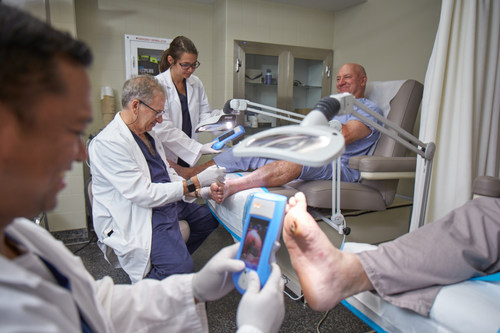
STEVENS POINT, WI – July 27, 2022 – Perceptive Solutions, Inc., developer of WoundZoom Digital Wound Management, today announced its integration partnership with Oracle Cerner and the availability of WoundZoom in the Cerner Code Program App Gallery. This partnership provides a secure and reliable exchange of wound care data between WoundZoom and a facility’s Cerner EHR system.
Perceptive Solutions joins the Cerner Code Program as a trusted integration partner so our customers can leverage the benefits of our validated application, WoundZoom, while eliminating additional steps in their workflow. Data captured using WoundZoom at the bedside, such as precise wound measurements, images, and clinical assessments automatically sync to patients’ charts, creating a more efficient workflow and a complete patient record in the EHR.
“Our innovative digital wound management solution enables clinicians to spend more time with patients through automated charting, wound imaging, and elimination of the manual measurement process. Cerner is a leading EHR provider for inpatient facilities and we are excited to provide accessibility of WoundZoom to Cerner customers,” said Mark Lacerte, President of Perceptive Solutions. “The technology integration through Cerner’s validation process enables a secure and reliable data flow from our solution into Cerner’s clinical charts. This enables healthcare facilities to more efficiently share valuable wound care data between both clinical and administrative team members within their EHR.”
About Perceptive Solutions
Perceptive Solutions modernizes the practice of wound care with technology-enabled systems designed to increase clinical efficiency, improve care quality, and mitigate risk. Integrating smoothly with your EHR, WoundZoom utilizes the latest AI and imaging technology to capture accurate wound images and measurements from your smart device, automatically prompt and document appropriate actions, and create a continuous, standardized clinical record across shifts, floors, and facilities. For more information, visit https://perceptivesol.com/.
Media Contact
Karen Guzdzial
Director of Marketing
(727) 225 7944
karen.guzdzial@woundzoom.com
A Comprehensive Review of Literature

Matching Advanced Wound Care Therapy to Wound Conditions




That day I had operated on a patient who was suffering with a non-healing ulcer on his leg for a long time, then followed up on my patient in ward suffering with bed sores and another patient with diabetic foot wound

It is intended to pave the way for improving precision-based medicine when treating diabetic foot ulcers.



Study Confirms the Utility of MolecuLight to Inform Clinicians to the Presence and Location of Clinically Significant Bacteria and Improves Treatment Plans & Outcomes over Conventional Diagnostic Methods
LEEDS, UK and TORONTO, July 13, 2022 /PRNewswire/ – MolecuLight Inc., the leader in fluorescence imaging for detection and localization of elevated bacterial load in wounds, announced the publication of an independent, blinded randomized controlled trial in Diabetes Care. The publication on this 56-patient trial, titled “The use of Point-of-Care Bacterial Autofluorescence Imaging in the Management of Diabetic Foot Ulcers: A Pilot Randomized Controlled Trial“1 reported that the use of a MolecuLight i:X® device to visualize the presence of elevated bacterial burden in wounds doubled 12-week wound healing rates (204%) in diabetic foot ulcer patients over standard-of-care alone.
Diabetes is a significant global health ailment: over 416 million people have diabetes worldwide2 and 25% of these patients develop a diabetic foot ulcer (DFU)3, greatly diminishing quality of life and increasing the need for costly and extended treatment. In the UK, the NHS spends £1 billion ($1.25 billion US) annually on DFU care and management24.
“As a clinician in wound care, especially when managing patients with chronic wounds, the holy grail is improvement in wound healing rates”, says David Russell, Associate Professor in Vascular Surgery at University of Leeds and lead author in the study. “In our randomized controlled trial, the results were impressive – the use of a MolecuLight device to inform our wound care decision-making helped us double the number of wounds that were healed at 12 weeks. This has benefits for the patient and our healthcare system.”
Patients were stratified into two groups, one in which the MolecuLight device was not used, and one in which clinicians used the MolecuLight device bi-weekly to assess diabetic foot ulcers for the presence of elevated bacterial burden. For the MolecuLight group, fluorescence imaging was performed after treatment. Fluorescence indicated the presence of elevated bacterial burden in over 80% of the wounds. Additional treatment based on imaging findings was performed as the discretion of the clinician, and most often included further debridement focused on the regions with elevated bacterial loads. Importantly, there was no increase in antibiotic prescribed in the MolecuLight group.
Alongside the impressive 2-fold improvement in healing rates, this study showed an association between baseline fluorescence and wound outcomes. Of the patients with negative fluorescence images at the baseline visit, 53.9% healed at 12-weeks, versus 37.5% with positive baseline fluorescence images. In other words, patients were 36% less likely to heal at 12 weeks if their wound was positive for high bacterial loads at the beginning of their treatment, as depicted by MolecuLight. Wound area reduction was superior in the MolecuLight arm and patient quality of life diverged toward improvement in the MolecuLight arm at 4 weeks and toward deterioration in the control arm at 12 weeks.
“To improve decision-making and care with DFU patients we must be able to measure what we manage. The MolecuLight i:X, as illustrated by the results in this RCT, is a powerful tool for screening DFUs for infection as well as monitoring new or worsening bacterial burden over time”, says David G. Armstrong, Professor of Surgery, Director of the Southwestern Academic Limb Salvage Alliance (SALSA) at Keck School of Medicine of the University of Southern California as well as the US-appointed delegate to the International Working Group on the Diabetic Foot (IWGDF). “This new study provides further data for the improved healing rates and improved patient care that can be achieved in a clinic with routine use of fluorescence imaging to detect wound bacteria.”
“We congratulate Dr. Russell and the team at Leeds for their excellent study and publication that shows the utility of MolecuLight to detect elevated bacterial burden and to inform clinical decision-making at the point-of-care”, says Anil Amlani, MolecuLight’s CEO. “A doubling of 12-week wound healing is a significant outcome and is consistent with what thousands of wound care clinicians are experiencing worldwide, that MolecuLight enables clinicians to deliver superior, proactive bacterial/infection management that improves wound outcomes”.
The Leeds Diabetes Limb Salvage service is now using the MolecuLight device to image all patients with wounds that are failing to achieve a healing trajectory within 4 weeks. To help manage patient volumes, patients who are negative with MolecuLight are triaged, and are then referred to community care as their wounds are considered manageable and able to achieve a healing trajectory.
This new RCT is part of a broad body of clinical evidence showing the many benefits of the MolecuLight i:X and DX devices across the range of wound care applications to help inform and improve clinical decision-making. This list of clinical evidence includes over 60 peer-reviewed publications and 1,500 studied wound patients.
About MolecuLight Inc.
MolecuLight Inc. is a privately-owned medical imaging company that has developed and is commercializing its proprietary fluorescent imaging platform technology in multiple clinical markets. MolecuLight’s suite of commercially released devices, including the MolecuLight i:X® and DX™ fluorescence imaging systems and their accessories, provide point-of-care handheld imaging devices for the global wound care market for the real-time detection and localization of elevated bacterial load in wounds and for digital wound measurement. MolecuLight procedures performed in the United States can benefit from an available reimbursement pathway including two CPT® codes for physician work to perform “fluorescence imaging for bacterial presence, location, and load” and facility payment for Hospital Outpatient Department (HOPD) and Ambulatory Surgical Center (ASC) settings through an Ambulatory Payment Classification (APC) assignment. The company is also commercializing its unique fluorescence imaging platform technology for other markets with globally relevant unmet needs including food safety, consumer cosmetics and other key industrial markets.
For more information, contact:
Rob Sandler
Chief Marketing Officer
MolecuLight Inc.
T. +1.647.362.4684
rsandler@moleculight.com
www.moleculight.com
The platform serves as a comprehensive resource for podiatry news and information to aid clinical decision-making and improve patient outcomes
MALVERN, Pa., July 12, 2022 /PRNewswire-PRWeb/ — As healthcare professionals across the podiatry community manage an ever-changing and complex field, HMP Global, the leading healthcare event and education company, today announced the launch of two value-added offerings, PodiatrySource and the Podiatry Learning Network.
The Podiatry Learning Network serves as the premier digital hub for podiatrists and offers direct access to clinically relevant news and information, expert perspectives, and continuing education. The network joins HMP Global’s portfolio of well-respected learning platforms dedicated to serving as online information hubs, and is a singular destination offering practical, relevant content and education guided by podiatry professionals.
Visitors to the new network can create a customized experience, selecting topic preferences most pertinent to them; receive regular e-mail updates with breaking news and carefully created content; grow professionally with the network’s repository of education; and connect with other podiatry colleagues around the world through the platform’s networking options.
“With the creation of the Podiatry Learning Network, HMP Global is delivering a single, definitive resource that podiatry professionals can rely upon to access important clinical knowledge on new therapies and treatments on a broad spectrum of topics, and enjoy a highly specialized content experience,” said David DePinho, President, HMP Global. “Healthcare professionals in the podiatry field will benefit from this comprehensive resource to receive ongoing professional development and provide the highest quality of patient care.”
PodiatrySource
HMP Global is also launching PodiatrySource, a one-stop resource with independent, clinically reviewed, and unbiased information to help clinicians make informed decisions about podiatry care products.
Powered by Podiatry Today, the award-winning, premier publication and online platform, PodiatrySource will reach buyers with the trusted information they need to act and make decisions about product selection and purchasing. It will provide 24/7 access to information on an interactive, user-friendly digital platform.
“The Podiatry Today audience is invested in providing patients optimal care and staying abreast of the latest product offerings across the field is part of how they achieve this goal,” said Jennifer Spector, DPM, FACFAS, Managing Editor of Podiatry Today, a trusted educational resource in podiatric medicine and surgery that provides engaging content to help clinicians improve patient care. “Creating PodiatrySource is a natural synergy of the education provided by Podiatry Today, with robust information about innovations provided by companies in the podiatric space.”
PodiatrySource currently highlights products focused on the office-based practitioner, and future updates will include more products and companies to best serve the full foot and ankle medical and surgical community, Spector said. PodiatrySource is open access with no subscription required for use. Industry contacts may submit product information through the website, and enhanced opportunities are available.
“PodiatrySource is designed to quickly become podiatry’s most relied upon tool to navigate the many options for products and services available to healthcare professionals in the podiatry community,” DePinho said. “It offers credible, trusted, non-biased clinically reviewed content that clinicians can use during the decision-making and purchasing processes.”
The new PodiatrySource resource guide is modeled after the highly successful WoundSource product reference guide. First published in 1998, WoundSource now includes more than 1,700 products manufactured by more than 200 wound care companies. Its digital companion, woundsource.com, includes product lists and reviews as well as articles, blogs by industry thought leaders, white papers, and other educational resources for wound care professionals.
For more information about PodiatrySource and the Podiatry Learning Network, visit hmpgloballearningnetwork.com/site/podiatrynet.com.
ABOUT HMP GLOBAL
HMP Global is the force behind Healthcare Made Practical — and is an omnichannel leader in healthcare content, events, and education, with a mission to improve patient care. The company produces accredited medical education events — in person and online via its proprietary VRTX virtual platform — and clinically relevant, evidence-based content for the global healthcare community across a range of therapeutic areas. Its brands include the HMP Global Learning Network, healthcare’s most comprehensive source for news and information; Psych Congress, the largest independent mental health meeting in the U.S.; the Evolution of Psychotherapy, the world’s largest independent educational event for mental health professionals; the Leipzig Interventional Course (LINC), the leading, global gathering for interdisciplinary cardiovascular specialists; EMS World Expo, North America’s largest EMT and paramedic event; and the Symposium on Advanced Wound Care (SAWC), the largest wound care meeting in the world. For more information, visit hmpglobal.com.
Media Contact
Sandi Beason, APR, HMP Global, (601) 573-1737, pr@hmpglobal.com
SOURCE HMP Global



and Increase Communication Across Inpatient Complex Wound Care Teams






Wounds UK are pleased to announce the call for abstracts for the 2022 Wounds UK Annual Conference, held at the Harrogate Convention Centre, which will be held on 7-9 November 2022 at the Harrogate International Centre.
To submit your abstract use the following link: www.surveymonkey.co.uk/r/WUKH22Abstract
Poster presentations will be presented on electronic poster displays only, no hard copy posters will be on display.
Entries for the e-poster exhibition require you to submit an abstract. Every entry received will automatically be considered for the Wounds UK Award for Excellence 2022.
All abstracts will be reviewed by our judging panel, who will be looking to accept submissions that display high levels of innovation, relevance to current and/or best practice and provide high-quality research/evidence.
Award
The winner of the Wounds UK Award for Excellence will receive a free 3-day delegate pass with entrance to the gala dinner.
NANCY MORGAN
Every wound-care clinician treats diabetic patients regardless of your care point. In this course, Nancy will help you evaluate the wound, identify the best plan of treatment and steer you away from the potential setbacks for better healing rates and overall patient outcomes.
Objectives:
A National Population-Based Retrospective Cohort Study
Rosemary C Chamberlain, Kelly Fleetwood, Sarah H Wild, Helen M Colhoun, Robert S Lindsay, John R Petrie, Rory J McCrimmon, Fraser Gibb, Sam Philip, Naveed Sattar, Brian Kennon, Graham P Leese
Objective: To describe incidence of foot ulceration and amputation-free survival associated with foot ulceration status in a national population-based cohort study of people with diabetes … Research design and methods: The study population included 233,459 people with diabetes who were alive in Scotland on 1 January 2012 identified from the national population-based register (national prevalence 4.9%). Characteristics of patients identified from linked hospital and mortality records during follow-up to the end of November 2017 were compared by outcome. Cox regression was used to assess the association between history of foot ulcer and amputation-free survival … Results: The population included 23,395 people with type 1 diabetes and 210,064 people with type 2 diabetes. In total there were 13,093 (5.6%) people who had a previous foot ulceration, 9,023 people who developed a first ulcer, 48,995 who died, and 2,866 … read more
Matthew F. Kaleta, Olga E. Petrova, Claudia Zampaloni, Fernando Garcia-Alcalde, Matthew Parker & Karin Sauer
Bacteria preferentially grow as biofilm communities in diverse settings including the natural environment, industrial systems, and the medical sphere1,2,3. Growth within biofilms offers protection from adverse conditions, such as defense from protozoan grazing in the marine environments, resistance to antimicrobial agents during decontamination of industrial and medical equipment, and evasion of host immune responses during infections. Evidence of this protected mode of growth appears early in the fossil record (~3.25 billion years ago) and is common throughout a diverse range of organisms in both the Archaea and Bacteria lineages, suggesting biofilm growth to be an integral component of the prokaryotic life cycle8. Indeed, studies of biofilms formed by diverse prokaryotes have revealed common trends and phenotypic characteristics of biofilms, as addressed by several reviews. These common trends include cell-to-cell communication or quorum sensing (QS), the production of extracellular polymeric substances to form a protective matrix, the presence of eDNA … read more
Clinical and operational innovations better predict non-healing wounds and missed appointments
Further expanding its analytics capabilities and leadership position within the wound care marketplace, Net Health, a provider of specialty electronic health systems and advanced healthcare analytics, today announced the addition of two new predictive analytics resources to improve clinical and operational outcomes for wound care providers … The new Pressure Injury Deterioration Risk Indicator is built into Tissue Analytics, Net Health’s AI-powered wound imaging and analysis solution, which was recently granted breakthrough device status by the Food and Drug Administration (FDA). The Missed Visit Prediction Indicator is available in Net Health® Wound Care, one of the nation’s most widely used electronic health record (EHR) platforms for wound care. Both features are embedded in automated workflow processes and alert providers when risk is detected, enabling providers to intervene in real-time … read more
The Off-Loading Devices Market is expected to grow manifold in the upcoming period. With technological advancements like ML and AI being incorporated in abundance, the healthcare vertical is likely to reach the top pedestal in the years to come. There are Bluetooth-operated health monitors, which let doctors receive precise information, that too, from time to time … The unloading device is used to reduce physical stress on the ulcerative callus of diabetic patients, which is caused by poor circulation, lack of sensation in the foot, foot deformity or trauma. … These devices are designed to eliminate abnormal pressure points and promote healing … read more
Harrison J. Shawa, Marat Kazak, Sara Dahle, Joshua M. Schulman
Amelanotic melanoma, accounting for less than 2% of melanomas, lacks typical clinical features of melanoma and mimics other lesions, frequently resulting in initial misdiagnosis and treatment delays and contributing to a poorer prognosis compared to conventional melanoma.
Amelanotic melanoma affects both men and women and, on average, affects older individuals than conventional melanoma, with an average age at diagnosis of 62 years. Although some risk factors overlap with melanoma, individuals with amelanotic melanoma are more likely to have red hair, freckles, or sunburn easily than patients with pigmented melanoma. Other risk factors include more than 10 large nevi, plantar nevi, and a history of a penetrating foot injury or a previous amelanotic melanoma.
When occurring on acral sites, amelanotic melanoma may mimic a variety of benign entities, including verrucae, calluses, poromas, hematomas, foreign bodies, fungal infections, blisters, ulcers, and pyogenic granulomas. We herein report a case of an acral amelanotic melanoma … read more
New data has been published today (July 7) evidencing findings that could lead to better treatment for people with lethal lung infections and infected diabetic foot ulcers caused by antimicrobial resistant (AMR) bacteria … Clinical stage biotechnology company, Destiny Pharma plc., focused on the development of novel products to prevent life-threatening infections, revealed the publication of the new data on XF-73 with Cardiff University in Frontiers in Cellular and Infection Microbiology a peer-reviewed publication … read more
Zahra Rajabloo, Mohammad Reza Farahpour, Parvaneh Saffarian & Saeed Jafarirad
Skin wounds cause damage to healthcare systems and loss economic. Wounds are classified as acute and chronic based on the pathogenesis and consequences. Acute wounds induce molecular processes to obtain structural integrity. Immune cells and factors play pivotal roles in acute wound healing3. The faulted regulation of the immune response results in the formation of chronic wounds. Infectious wounds are a form of acute wounds characterized by the presence of bacteria in viable tissue and damage to tissues. The infections start with bacteria colonization and can cause systemic infection. Staphylococcus aureus and Pseudomonas aeruginosa are the most common bacteria in infected wounds. In infected wounds, the wound healing process is delayed. Infected wounds also cause overproduction of reactive oxygen species and induce faults in antioxidant systems … read more
Regenative Labs CEO predicts this will have significant implications to advance multiple fields.
PENSACOLA, Fla., July 8, 2022 /PRNewswire/ — Regenative Labs, a leading FDA-registered and HTC/P manufacturer, confirms that the Institutional Review Board (IRB) of the Institute of Regenerative and Cellular Medicine (IRCM), an independent body which facilitates and validates regenerative and cellular medicine through collaborative and translational research, has approved its protocol for observational data of homologous use applications for Regenative’s products.
In noting receipt of the IRCM IRB letter, CEO Tyler Barrett observed that this is a key step in facilitating other studies for use of Regenative’s products. “We believe this will allow clinicians to explore new homologous use applications and make it easy to follow their patient outcomes,” he said, adding, “We are committed to advancing this field of research.”
The IRB letter confirms a key classification, known as 361, allowing Regenative to further studies for the use of its products.
“We are excited that this will allow us and our partner physicians to look for new uses,” said Barrett, pointing out that connective tissue is found throughout the body and that while the current use is heavily concentrated in addressing defects in the knee and specialties like orthopedics, Regenative has received queries and reports from specialties like podiatry and urology for cases of wound care and urinary incontinence.
In confirming receipt of the IRB’s letter, Regenative Labs confirmed their continued adherence to applicable state, local and federal regulations and requirements. They also look forward to a strong relationship with regulators.
The specific observational data collection approved is through MedngineTM of homologous use applications using ProTextTM, CryoTextTM,SecreTextTM, CoreTextTM and AmnioText.
Protocol number: RL-ME-002
IRB approval number: IRCM-2022-311
About Regenative Labs : Regenative Labs produces regenerative medicine products to address the root cause of a patient’s conditions using Wharton’s Jelly innovations rather than masking the pain with other treatments. Regenative Labs works closely with scientists, physicians, hospitals, and surgery centers to constantly monitor and improve patient progress and outcomes for new product development. Formed by veteran industry professionals familiar with the daily challenges of innovations in healthcare, the company provides effective, non-addictive, non-invasive options for patients. Regenative Labs has a laser-focused, expert product research and development team which follows FDA guidelines of minimal manipulation for homologous use. The company adheres to AATB and FDA guidelines. Learn more at: https://regenativelabs.com.
SOURCE Regenative Labs
This article was originally published here
ActiGraft is an FDA-cleared wound care solution that enables health care providers to produce—in real time—in vitro blood clots from a patient’s whole blood. Once applied, the blood clot tissue serves as a protective covering and supports wound healing processes that naturally occur in the body. Testimonial: “I endorse ActiGraft as it uses the body’s own healing cascade to help initiate the wound healing process and has a unique role as a topical dressing in the wound care space.” —Dr. Bryan Doner, DO, D&P Medical Group … read more
Sarah Gardner and Sweta Rai
This session will help you understand the diversity and complexity of leg ulcers and also the management of unusual causes of leg ulcers. She aims to expand your knowledge base on different presentations of leg ulcers and will talk about evidence based management and newer techniques of leg ulcer management.
Dr Rai has an interactive and inclusive style of speaking and therefore questions and discussion will be very welcome during and after her talk … read more
Vegan diets have gained a lot of popularity around the world, mostly in America. About 6% of Americans claim that they are vegans. That is a 600% increase in veganism from 2017 to 2021. There are many reasons that people nowadays are adopting a vegan diet and it includes health and ethical reasons. One of the health reasons that this review refers to is type 2 diabetes. There have been previous studies of what a vegan diet has on the health and the prevention of metabolic syndrome. There have been studies that showed that the risk of cancer can be reduced on a vegan diet, but is still under debate that this is the main reason for it. The review aimed to show studies between vegan diets and see if there is a reduction in risk for type 2 diabetes … read more
Biofilm: A complex microbial community containing bacteria and fungi. The microorganisms synthesize and secrete a protective matrix that attaches the biofilm firmly to a living or non-living surface. The biofilm contributes to underlying wound infection, chronic inflammation, and delay in healing, and it is present in 80% to 90% of chronic wounds and 6% of acute wounds.
Epibole: Rolled or curled-under closed wound edges. These rolled edges are thickened epidermis that may be callused, dry, scaly, and/or hyperkeratotic. When epibole is present in a wound, it signals to the body that the wound has healed, even though the wound remains open. Epibole must be resolved to allow the wound to close … read more
Aim This study was conducted as a randomised controlled study to determine the effect of tea tree oil on acute wound healing.
Yeliz Sürme, Gülsüm Nihal Çürük, Ayça Lekesizcan and Saim Özdamar
Methods Rats were divided randomly into two groups, non‑diabetic and ‘diabetic’; rats in the diabetic group were made diabetic by intraperitoneal streptozotocin induction at 50 mg/kg. Each group was then subdivided into sunflower oil, tea tree oil and saline (0.9% NaCl) groups. After incisional wound formation, rats were wound-dressed according to their treatment group every day for 15 days. On day 3, 7 and 15 following the wound formation, 0.5cmx0.5cm full thickness tissue samples were taken and examined histopathologically.
Results On day 3, the epithelisation and inflammatory cell density of the non‑diabetic tea tree oil group was found to be statistically significantly higher than the diabetic saline group. There was a statistical difference in favour of the non‑diabetic tea tree oil group in terms of procollagen and mature collagen density. In addition, the non‑diabetic tea tree oil group had a statistically higher angiogenesis amount than the diabetic and non‑diabetic saline and the diabetic sunflower oil groups on day 15 (p<0.05).
Conclusions It has been determined that tea tree oil has an accelerating effect on wound healing and is an alternative method that can be used in wound dressing … read more
admitted to two public tertiary referral hospitals in Australia
Sarah M Manewell, Sarah J Aitken, Vanessa L Nube, Anna M Crawford, Maria I Constantino, Stephen M Twigg, Hylton B Menz, Cathie Sherrington and Serene S Paul
Aims/hypothesis To identify hospital admissions and length of stay (LOS) and to investigate readmissions, cumulative LOS and associated factors for diabetes-related foot ulceration (DFU).
Methods Routinely-collected hospital admission data were used to identify DFU-related hospital admissions in two public hospitals between 2012–17. Readmission and cumulative LOS were investigated using negative binomial regression.
Results DFU-related admission was required by 749 patients. Median LOS was 8–10 days (stable across 2012–17). Readmission within 28 days was required by 62 patients (8%) and was significantly more likely with increasing comorbidities (incidence rate ratio [IRR] 1.38, 95% confidence intervals [95% CI] 1.02–1.88). Readmission within 1 year was required by 206 patients (28%), and was significantly more likely for males, unplanned admissions and increasing revascularisation requirements (IRR 1.34–1.70), and significantly less likely for those requiring minor and major amputation (IRR 0.33–0.64). The median cumulative LOS was 13 days (IQR 7–29), and was significantly longer for males, older age, unplanned admissions, those requiring dialysis, and those with increasing revascularisation requirements, comorbidities and mental health or behavioural disorders (IRR 1.02–2.30), and significantly shorter for those with more podiatry attendance (IRR 0.96, 95% CI 0.95–0.97) … read more
Jennifer Spector, DPM, FACFAS
Each year, Podiatry Today hears from leaders in the world of foot and ankle medicine and surgery about important developments and significant strides being made in the field. Here is this year’s slate of the Top 10 Innovations in Podiatry (in no particular order) that could have an impact on your patients and practice … Pedilay med (Pedilay Care) is a ready-to-use secondary foot bandage that supports foot and ankle dressings associated with multiple conditions. The company explains that the bandage could save precious care time, as one can take it on and off in a swift and gentle fashion. The bandage, made up of a biocompatible, low-friction fleece material, has thin seams and can help protect the skin … read more
Kyong Kim, DPM
By his own admission, Norbert Perez is a stubborn man. He initially rebelled against the counseling he received after a diagnosis of Type 2 diabetes four years ago.
“They started giving me pills, but they weren’t working,” says Perez, 39, a forklift operator and Rahway resident. “They told me to change my eating habits, my lifestyle.
At first, I didn’t pay any attention to it. That typical man thing we do. We just go until we drop dead.”
But when a callus blistered and his foot swelled “beyond belief,” he ended up at the Center for Wound … read more
In a recent article published by GHP (Global Health & Pharma), Kent Imaging presents SnapshotNIR, their portable and lightweight near-infrared imaging device that is replacing some outdated and cumbersome technologies of the past, pioneering the future of effective wound care solutions. Through case studies and customer stories, clinicians share their hands-on experience with SnapshotNIR and how they are providing a greater standard of care to patients with this innovative technology … read more
FEATURED PRESENTERS: Mark Portou and Amelia Swift
What makes a wound complicated? Any non-healing wound can be described as complicated, but some are more complicated than others! Complicated wounds are usually found on patients with complex medical problems. Often complicated wound aetiology is multifactorial, but outcomes are significantly worse with underlying vascular disease. Medical optimisation and risk factor modification is required to treat the rest of the individual too … read more
TORONTO, July 7, 2022 /PRNewswire/ – MolecuLight Inc., the leader in point-of-care fluorescence imaging for real-time detection of wounds containing elevated bacterial loads, announces that it has been selected for a “Top Innovation in Wound Care 2022″ Award from Wound Management & Prevention (WMP) Journal for its MolecuLightDX™ device.

MolecuLightDX™ Wins Award as a Top Innovation in Wound Care 2022 From Wound Management & Prevention Journal (CNW Group/MolecuLight)
WMP provides news and information for professionals in wound care, ostomy care, incontinence care, and related skin and nutritional issues, and features ground-breaking research, peer-reviewed articles, and clinical discussions on topics relevant to the field. WMP and the Wound Care Learning Network are published by HMP Global, an omnichannel leader in healthcare content, events, and education.
MolecuLightDX was selected as a winner this year for its novel utility to provide a point-of-care tool to clinicians worldwide that enables the detection of elevated bacterial burden in wounds. Based on its extensive body of evidence and interviews with clinicians using it, the MolecuLight device is changing the standard of care in wound care.
“Wound Management & Prevention is dedicated to featuring the top innovations in wound care,” said Christiane Odyniec, Managing Editor. “Each July, the WMP Editorial Board nominates the newest innovations in the field of wound care, with the goal of sharing information to improve patient care. MolecuLightDX was nominated by our board for its innovation and practical applications, and we are pleased to recognize MolecuLight Inc. in this way.”
As part of WoundCon Summer 2022’s Technology Innovation Theatre, WMP will be hosting a webinar on “Wound Management & Prevention’s Top Innovations in Products & Care of 2022” on Thursday, July 14th at 1:30 PM EST. Five of the winning products will be featured, including the MolecuLightDX.
In this webinar, Dr. Charles A. Andersen, Medical Director of the Wound Care Clinic and Limb Salvage Program at Madigan Army Medical Center in Tacoma, WA will be speaking on his experience with MolecuLight and how it is changing his clinical practice. “Using MolecuLight has revolutionized our wound care practice and now allows us to provide proactive wound care,” says Dr. Andersen. “It’s a game-changer.”
Registration for the webinar is accessible here.
The MolecuLight i:X and DX devices are supported by a broad body of clinical evidence showing how they help to inform and improve clinical decision-making in wound care. This list of clinical evidence includes over 60 peer-reviewed publications and 1,500 studied wound patients.
About MolecuLight Inc.
MolecuLight Inc. is a privately-owned medical imaging company that has developed and is commercializing its proprietary fluorescent imaging platform technology in multiple clinical markets. MolecuLight’s suite of commercially released devices, including the MolecuLight i:X® and DX™ fluorescence imaging systems and their accessories, provide point-of-care handheld imaging devices for the global wound care market for the real-time detection and localization of elevated bacterial load in wounds and for digital wound measurement. MolecuLight procedures performed in the United States can benefit from an available reimbursement pathway including two CPT® codes for physician work to perform “fluorescence imaging for bacterial presence, location, and load” and facility payment for Hospital Outpatient Department (HOPD) and Ambulatory Surgical Center (ASC) settings through an Ambulatory Payment Classification (APC) assignment. The company is also commercializing its unique fluorescence imaging platform technology for other markets with globally relevant unmet needs including food safety, consumer cosmetics and other key industrial markets.
SOURCE MolecuLight
Eric W. Temple
Subcutaneous hematomas can result from trauma. At particular risk are elderly patients with multiple co-morbidities and those who may be taking medications such as anticoagulants [1-3]. Effective treatment of subcutaneous hematomas is important in order to avoid complications including skin necrosis, infection, scarring, hyperpigmentation, tissue edema, and prolonged recovery [1-5]. Hematoma evacuation may be done using a surgical approach, in which the hematoma is evacuated under general or regional anesthesia followed by treatment with a skin graft or skin substitute [3,5]. There are several traditional dermal treatment options, including autografts, allografts, and xenografts. However, these modalities are associated with limited availability and donor site morbidity in the case of autografts, as well as potential disease transmission and immunologic rejection in the case of allografts and xenografts … read more
Patricia Inácio, PhD
Krystal Biotech is seeking U.S. Food and Drug Administration (FDA) approval of Vyjuvek (previously called B-VEC), its topical gene therapy for people with dystrophic epidermolysis bullosa (DEB). The request was made in the form of a biologics license application or BLA — a type of marketing approval — supported by data from two clinical trials that showed that Vyjuvek healed DEB wounds and kept them closed. “The unmet medical need for DEB patients remains very high and our relentless pursuit of a treatment for this disease continues with the same sense of urgency that we have always had since the founding of Krystal Biotech,” Suma Krishnan, president of research and development … read more
Dan Ziegler, Massimo Porta, Nikolaos Papanas, Maria Mota, György Jermendy, Elena Beltramo, Aurora Mazzeo, Andrea Caccioppo, Elio Striglia, Victoria Serhiyenko, Alexandr Serhiyenko, László Rosta, Ovidiu Alin Stirban, Zsuzsanna Putz, Ildikó Istenes, Viktor Horváth and Peter Kempler
Microvascular complications are responsible for a major proportion of the burden associated with diabetes contributing to substantial morbidity, mortality, and healthcare burden in people with diabetes. Retinopathy, nephropathy, and neuropathy constitute the leading causes of blindness, end-stage renal disease, and lower-extremity amputations, respectively. Since the efficacy of causal therapies of diabetic microvascular complications is limited, especially in type 2 diabetes, there is an unmet need for adjunct treatments which should be effective despite ongoing hyperglycemia. Experimental studies have indicated that diabetic microvascular complications can be prevented or ameliorated by various biofactors in animal models by interfering with the pathophysiology of the underlying condition. Some of the findings related to biofactors, like α-lipoic acid and benfotiamine, could be translated into the clinical arena and confirmed in clinical trials, especially in those focusing on diabetic polyneuropathy. Given the micronutrient nature of these compounds … read more
Aurora Piaggesi
The Living With Chronic Wounds trailer introduces a series of videos that illustrates patients’ experiences and the various challenges and approaches to wound management experienced and undertaken by wound care professionals and their organisations. The videos are produced by filmmaker Aurora Piaggesi …
Jarrod Shapiro, DPM, FACFAS, FACPM, FFPM, RCPS Glasg
Being a physician is a busy endeavor, and taking call adds both busyness and complexity to a physician’s calendar. This is doubly true when the physician is a resident, with all of the extra educational responsibilities on top of clinic, surgery, and call. As a result, being efficient is a necessity when on call. Here’s a little pearl that has helped me during call: use a call bag … read more
Marie Williams, David Davidson, Naz Wahab, Jessie Hawkins, Chinenye D. Wachuku, Robert Snyder
Diabetic foot ulcer is among the most common complications of uncontrolled diabetes and is associated with an increased risk of mortality.1 The annual incidence of DFUs worldwide ranges between 9.1 million and 26.1 million.1 It is estimated that approximately 15% to 25% of patients with diabetes will develop a DFU in their lifetime, resulting in increased incidence of hospitalizations and amputations.1,2 In the United States, the total annual medical cost for the management of DFUs ranges between $9 billion and $13 billion … read more
John C Lantis II
Hello, I’m John Lantis, vascular surgeon, and today I’d like to spend a little bit of time speaking to you about the benefits of debridement and some fundamentals of the technique. Very simple office-based debridement for the outpatient wound. The goals of debridement are to take away the skin edges that would be hyperkeratotic, which would be around the edges. Those cells are actually cells that usually don’t even know how to migrate across the wound bed and need to be removed. But one also doesn’t want to forget the base of the wound, where at the base of the wound you would have increased bacterial burden and cells, if they’re present, that are very senescent or quiescent, and that they’re not able to turn over. So there are various ways of debriding and methods, but we’re going to be talking about sharp debridement today, specifically. Sharp debridement you want to have a rounded blade; using an 11 blade … read more
Using Negative Pressure Wound Therapy With Intramedullary and Subcutaneous Antibiotic Perfusion
Keisuke Shimbo, Tatsuhiko Saiki, Haruka Kawamoto, Isao Koshima
Surgical site infection (SSI) after fracture fixation is associated with higher-grade Gustilo-Anderson open fractures (ie, type III).1,2 Patients with SSI that has progressed to deep infection or osteomyelitis must undergo multiple surgeries and may experience permanent dysfunction at the fracture site. Radical surgical debridement, orthopedic implant removal, and systemic antibiotic administration are generally performed to control SSIs. Orthopedic implant removal is considered to be an efficacious procedure. For example, 28% to 79% of orthopedic implants are removed after foot, ankle, or lower leg fracture surgery.3,4 After orthopedic implant removal, postoperative SSI rates are reportedly 0% to 20%.3-5 The standard-of-care therapeutic regimen is insufficient in the management of SSI after fracture fixation. Some studies have reported the use of negative pressure wound therapy … read more
Georgios Theocharidis, Hyunwoo Yuk, Heejung Roh, Liu Wang, Ikram Mezghani, Jingjing Wu, Antonios Kafanas, Mauricio Contreras, Brandon Sumpio, Zhuqing Li, Enya Wang, Lihong Chen, Chuan Fei Guo, Navin Jayaswal, Xanthi-Leda Katopodi, Nikolaos Kalavros, Christoph S. Nabzdyk, Ioannis S. Vlachos, Aristidis Veves & Xuanhe Zhao
Diabetic foot ulcers and other chronic wounds with impaired healing can be treated with bioengineered skin or with growth factors. However, most patients do not benefit from these treatments. Here we report the development and preclinical therapeutic performance of a strain-programmed patch that rapidly and robustly adheres to diabetic wounds, and promotes wound closure and re-epithelialization. The patch consists of a dried adhesive layer of crosslinked polymer networks bound to a pre-stretched hydrophilic elastomer backing, and implements a hydration-based shape-memory mechanism to mechanically contract diabetic wounds in a programmable manner on the basis of analytical and finite-element modelling. In mouse and human skin, and in mini-pigs and humanized mice, the patch enhanced the healing of diabetic wounds … read more
Christopher Barrett, DPM, Dot Weir, RN, CWON, CWS
Provided by HMP Education, an HMP Global Company.
For questions regarding this educational activity, please call 609-371-1137 or email accreditation@hmpglobal.com.
INTENDED LEARNERS
This activity is designed for physicians, nurses, nurse practitioners, physician assistants and podiatrists across all practice settings involved in the prevention, treatment, and management of patients with wounds.
LEARNING OBJECTIVES
After participating in this activity, learners should be better able to:
Examine the efficacy and usability of disposable mechanically powered negative pressure wound therapy
Review best practices for using dNPWT in a variety of wound types
Explore illustrative case studies using dNPWT in a variety of wound types
Robert G Smith, DPM, MSc, RPh, CPRS
This Week’s Topic: Diabetic Foot Ulcer in Complex Patient
This week’s 5MinClinChallenge contributed by Robert G. Smith DPM MSc RPh FNAP, focuses on a complex diabetic ulcer patient involving alcohol and nicotine abuse, complaining of painful neuropathy. See if you agree with Dr Smith’s approach to this difficult case … read more
Terry Treadwell
This past weekend I was invited to be part of a group of wound care practitioners from the United States, Europe, Australia, and South Africa to design a manuscript to assist health care practitioners from around the world treat hard-to-heal wounds. At the meeting, cases were presented, and treatments were discussed, and it dawned on me that everything we were discussing was information that had been discussed many times before. It seems that no matter where in the world one treats wounds, the problems are the same and solving old problems is a major issue. As one who has had the privilege to teach and write about wound treatment in Sub-Saharan Africa, for me, the old topics became new again … read more
Delthia Ricks
Scientists have engineered a synthetic biodegradable foam that can suppress inflammation, promote blood vessel growth and support the rapid healing of chronic skin wounds, an innovation that may one day improve treatment for ailing patients and possibly reduce costs of a major global health problem … The new material, tested in pigs with chronic skin wounds, matched or outperformed a clinical wound-healing product considered the “gold standard” of care. The research suggests that the investigational material may one day accelerate tissue repair among patients with skin wounds that have defied healing … read more
Intention in the Management of Pilonidal Sinus: Our Experience at a Tertiary Care Center in India
Swapnil P. Chopde, Geet R. Adhikari
A pilonidal sinus (PNS) is a small passageway in the subcutaneous tissue which develops most frequently in the sacrococcygeal area. In terms of postoperative outcomes, the decision on the best surgical treatment for PNS is still a challenge for a surgeon. Prevention of the disease recurrence and improving quality of the life can be considered primary goals of the treatment. The current study intends to compare two commonly practiced surgical treatments for PNSes-Rhomboid excision with Limberg flap repair against wide-open excision with healing by secondary intention … read more
Ayesha Marshall
Individuals with compromised skin integrity are at greater risk of skin damage or sustaining a wound, which may create a vicious circle of hard-to-heal wounds if underlying factors are present (Beeckman et al, 2020). Such hard-to-heal wounds are adding to the cumulative burden of wounds on patients, clinicians, families/carers and healthcare systems (Guest et al, 2020). Emollient therapy has been shown to reduce the risk of skin damage or sustaining a wound in individuals with fragile or at-risk skin (Wounds UK, 2015). This Made Easy aims to highlight the importance of preserving skin integrity, particularly in individuals with vulnerable skin, and how use of an emollient such as Hydromol® (Alliance) can help to reduce the risk of damage in a range of clinical scenarios … read more
NL Vasukutty, S Mordecai, A Tarik, M Subramaniam, B Srinivasan
Diabetic foot disease is associated with high morbidity and is one of the leading causes of lower limb amputation. The use of a local antibiotic carrier to augment debridement and reconstructive procedures is presented. Methods: The authors present early results of 48 feet in 47 patients from two centres in the UK. Their multidisciplinary protocol involved pre-operative assessment, debridement, culture-specific antibiotics and local antimicrobial management with an antibiotic-loaded biocomposite (CERAMENT G®, BONESUPPORT, Lund, Sweden). Of the 48 feet, 22 (46%) had various foot reconstructive procedures. Six patients had pre-operative revascularisation procedures. All patients were graded as either University of Texas 3B or 3D ulcers. Results: At a mean follow-up of 33 months (range 13–49 months), 42 feet (88%) were free of infection and 39 patients (83%) were mobilising. There were 28 wounds healed by secondary intention, 17 with primary closure and three required skin grafting. Three patients had non-healing and persisting ulcers at the most recent follow-up. Three patients had undergone below–knee amputation. The average time to wound healing was 16 weeks (range 3–24 weeks). A limb salvage rate of 94% was achieved … read more
By Joe Hannan
The mass killing at a Tulsa hospital is the most recent example of a well-documented trend of violence against US healthcare workers … Data indicate that the pandemic exacerbated the issue, and that HCPs may be underreporting violent incidents … Clinicians should report all incidents, and employers must provide adequate training and support. Pending congressional legislation could make the consequences of attacking an HCP similar to those for attacking an airline or airport worker … read more