Kicking off any new year allows us to pause and reflect on the previous year’s actions and results. When you work within wound care, perhaps your first action this year was to review your schedule of patients to ensure they were provided the proper time to be seen, or review your staffing matrix to ensure you are you are meeting the needs of the scheduled patients, or dig into your supply cabinets to ensure inventory is abundant. Each action is vital to maintain your business and is interconnected to your unique process … read more
Month: November 2021
Where Are We With Point-Of-Care Testing For PAD In Patients With Diabetes?
How reliable are our screening tools for peripheral arterial disease (PAD)? A recently published meta-analysis suggests that while our current diagnostic testing measures are promising, one should be wary of relying upon any one tool in isolation in patients with diabetes.
In their 2020 study in the Journal of Vascular Surgery, Normahani and coworkers reviewed and analyzed studies to evaluate the accuracy of bedside testing for PAD in patients with diabetes.1 In examining the diagnostic accuracy of the ankle-brachial pressure index (ABPI), the toe brachial pressure index (TBPI) and the tibial waveform assessment, these authors reviewed 11 studies (including a total of 1,543 limbs) … read more
The Human Microbiomes And How They Affect Wound Healing podcast
In this podcast, Laura Swoboda, DNP, APNP, FNP-C, CWOCN-AP, shares expert knowledge on the human microbiome and its influences on the immune response, inflammation, and metabolism, which can impact wound healing … listen
Delayed Care During the COVID-19 Pandemic: Effects on Chronic Wound Therapy
Chronic wound care is challenging for the entire healthcare ecosystem, from clinicians to patients, and COVID-19 has only exacerbated those challenges. Patients are delaying primary care provider and wound clinician visits for ongoing guidance and therapy to reduce possible exposure to the virus. This is understandable, as many chronic wound patients are in the high-risk category if they become ill with COVID-19.1 They are also putting off elective surgeries, annual physicals, and basic preventive care, which can negatively affect long-term outcomes. A survey of wound care clinicians in March 2021 reported a decrease in patient visits from pre-pandemic numbers, and 57% of respondents stated that “wound severity has either increased or significantly increased since the start of the pandemic.”2 At the same time, the pandemic has accelerated patient-driven care and increased usage of interactive devices for care administered at home, rapidly increasing the use of telemedicine across demographics … read more
Safe and effective wound healing preparation reaches Clinical Phase II
APO-2 (Aposec) is a secretome-based trial preparation derived from stressed peripheral blood mononuclear cells. APO-2 was shown to be safe and effective in a multinational Phase I study in patients with diabetic foot ulcers (non-healing foot ulcers). The Data Safety Monitoring Board has therefore recommended continuation into a Phase II clinical trial. This represents a major success for the wound healing preparation developed at MedUni Vienna … read more
Cleveland Clinic surgeon helps draft Amputation Reduction and Compassion Act
But there is legislation moving through Congress that seeks funding to improve public awareness and early detection.
Vascular surgen Dr. Lee Kirksey of the Cleveland Clinic said there is no disease that ravages the body quite like diabetes. The complications can be serious: heart attacks, strokes, kidney failure and the most worrisome and drastic of all, limb loss.
“When I talk to diabetics, their greatest fear and they know that they can have a heart attack or stroke, their greatest fear is having to have an amputation,” said Dr. Kirksey.
According to Dr. Kirksey, as many as 25% of patients with diabetes at some point will develop a foot ulcer and if left untreated, that ulcer can lead to infection and amputation … read more
Chronic Venous Leg Ulcer in Klinefelter Syndrome Treated with Platelet-Rich Fibrin: A Case Report
Venous leg ulcers (VLUs) are the most common causes of leg ulcers due to venous insufficiency. Most cases persist for more than 6 weeks, referred to as chronic VLUs. These chronic ulcers have been described as a manifestation of Klinefelter syndrome (KS). Platelet-rich fibrin (PRF) is a second-generation platelet concentrate, which contains growth factors required for chronic wound healing. The use of PRF in the management of VLUs in KS has not been reported, to the best of our knowledge. We report a case of chronic VLU associated with KS in a 41-year-old man treated with PRF. Dermatological examination showed a tender, shallow, irregular ulcer partly covered with hard, yellow necrotic tissue on the anterior side of the lower-left leg and hyperpigmented indurated skin on both lower legs. The diagnosis of venous ulcer was established based on clinical manifestation and supported by the result of Doppler ultrasound showed chronic venous insufficiency. Histopathological examination, which showed epidermal acanthosis … read more
Malaysian Diabetics Develop Complications After Delayed Screening, Treatment
A medical doctor says the proportion of diabetes cases that developed complications may have risen by roughly 15 to 20 per cent.
KUALA LUMPUR, Nov 25 — Late detection and interruptions to clinic visits for diabetic treatments during the Covid-19 pandemic have led to complications in some patients … Many had their appointments deferred as the government imposed a nationwide lockdown in March last year … “Because of the first movement control order (MCO 1.0), there is a higher chance for us to see patients who are coming in, not only with diabetic foot ulcers, but some may have rot their toes and limbs,” the doctor said … read more
Lower Extremity Wounds: Differential Assessment and Management
Determining Wound Etiology:
Predominant pain pattern, ulcer location, ulcer appearance, type and amount of wound exudate, and vascular and sensorimotor assessment are some key factors used to determine the primary etiology of lower extremity ulcers.1
Etiology Guides Treatment:
Certain patients will have a clear presentation of wound etiology, whereas others may present with a mixed wound appearance. The certified wound specialist will complete a thorough history and physical assessment when determining wound etiology. From there, an individualized plan of care will be created, implemented, and continuously evaluated. For example … read more
Overcoming Health Inequities In Wound Care
Q: What resources do you use and/or recommend for physicians to educate themselves on health inequities, especially in the field of wound care?
A:
Babajide Ogunlana, DPM, FACFAS, encourages physician to learn first-hand by engaging in community outreach-type programs that seek to improve access to care.
“The field of wound care has a lot of cost implications that tend to tilt the services offered and/or available to the patient in the direction of who can afford it or whose insurance company … read more
DDI holds course on managing diabetic foot complications
KUWAIT: Dasman Diabetes Institute (DDI), a leading diabetes research Institute established by the Kuwait Foundation for the Advancement of Sciences, held recently its specialized three-day course on the ‘Prevention and Management of Diabetic Foot Complications’.
This program was held at the Institute and attended by healthcare professionals. Trainees learned to assess and treat the feet in people with diabetes using evidence-based assessment and treatment methods, aimed at reduction of diabetic foot ulceration and amputation. This program was organized and delivered by Kay Scarsbrook Khan, Chief Podiatrist and Dr Abdullah Al-Ajmi … read more
Factors Affecting the Quality of Life of Hospitalized Persons with Chronic Foot and Lower Leg Wounds
This descriptive cross-sectional study was conducted in a university hospital wound care unit in western Turkey with 134 patients. The data were collected via personal information form, Barthel Index for activities of daily living, visual analog scale, and Short Form-12 questionnaire. Descriptive statistics and Spearman correlation were used for data analysis … read more
Analysis of Factors Influencing Anxiety and Depression among Hospitalized Patients with Chronic Wounds
OBJECTIVE: To investigate the prevalence of anxiety and depression among hospitalized patients with a chronic wound and explore the influence of demographic factors, disease characteristics, social support, and coping styles on their mental status … read more
Wound Care and Healing for Neonates
A study published in the Advances in Skin & Wound Care Journal examined wound care information to help educate about care for the specific physiology of newborns.
A group of researchers aimed to help physicians differentiate the use of hydrocolloids, hydrogels, foam dressings, and barrier creams in the neonatal population and identify issues related to the use of solvents, alginates, collagen dressings, and negative pressure wound therapy (NPWT) in neonates, according to an article in the Advances in Skin & Wound Care journal.1
PubMed, Google Scholar, and other journals/textbooks were used to help collect data on wound healing in newborn patients. With this data, the authors of the study aimed to discuss what is already known about wound milieu in premature and full-term neonates, including the unique challenges pediatric clinicians face, the therapies that have proven effective, and the therapies … read more
The Burden of Wound Care
A study investigated the clinical and economic burdens of wound care in the Tropics during a 5-year institutional review.
In an article published in the International Wound Journal, researchers evaluated the clinical and economic burden of wound care in the Tropics during a 5-year institutional population health review that occurred from 2013 to 2017.1
The 55,583 wounds included in the study were classified into different subtypes: neuro-ischaemic ulcers (NIUs), venous leg ulcers (VLUs), pressure injuries (PIs), and surgical site infections (SSIs). There were 41,461 patients admitted during that time with a 95.1% increase in wound episodes per 1000 inpatient admissions during this period (142 and 277 wound episodes per 1000 inpatient admissions in 2013 and 2017, respectively).
In 2017, the average amount of time a patient had to stay in the hospital for wound care were 17.7 … read more
Promoting Pressure Injury Prevention Technology
Do you remember that cartoon from the 1960s (and later reproduced in the 1980s), The Jetsons? It was about a futuristic family that had all kinds of amazing robot helpers and automatic appliances. Rosie the Robot was the wonderbot that would whisk about the house, frantically preforming housekeeping duties, monitoring the security of the home, and generally making sure that everything was online and functioning. Do you ever feel like this as a clinician? Rushing about, multitasking, being pulled in what seems like a hundred different directions, all while expected to perform with “Rosie-like” perfect, machine-like efficiency. Wouldn’t it be wonderful to have Rosie’s artificial intelligence technology … read more
Related: Pressure Injuries and Disparities in Health Care: Important Terms to Know
Pressure Injury Monitoring: Using Technology in a Time of Hospital Overcrowding
In the last 2 years, hospitals and skilled nursing facilities have seen unprecedented surges in admissions attributed to the COVID-19 pandemic sweeping across the world. Just in the United States, we saw a high of 116,243 weekly hospital admissions in mid-January of 2021. This dropped to a low of 13, 424 in mid-June of 2021 and then bumped up again to 86,871 in August of 2021.1 With this fluctuation of numbers, along with staffing shortages and burnout, wound care professionals have seen significant overcrowding in many hospitals and facilities. Caregivers and clinicians are stretched thin. They are taking on more patients, who tend to be sicker and with more acute needs on a global scale. These patients tend to be at higher risk of developing a pressure injury … read more
Cellphones Help MDs Monitor Surgical Patients for Infections
The crystalline clarity with which smartphones can now capture images has been put to another innovative use: monitoring patients who’ve undergone emergency abdominal surgery for surgical-site infections (SSIs) and allowing physicians to diagnose them earlier in the postoperative period before they morph into a much bigger problem.
“Since the COVID-19 pandemic started, there have been big changes in how care after surgery is delivered,” Kenneth McLean, MBChB, University of Edinburgh, Scotland, observed in a statement.
“Patients and staff have become used to having remote consultations and we’ve shown we can effectively and safely monitor wounds … read more
Pressure Injury Prevention: Recognizing the Early Signs of Injury
Here’s a question for you: How long does it take for a pressure injury (PI) to form? Do you think it happens in 30 minutes? 2 hours? 8 hours? The answer is actually all of the above. The time it takes for a PI to develop depends on a number of different factors, which we will discuss here. This blog will describe how a PI forms, some signs that a PI is forming, and how to assess a patient’s skin for a PI. It will then look at some types of intervention and assessment that help in the prevention and treatment of a PI, as well as track its healing or declination … read more
Gel-Based Sensor Continuously Monitors Wounds for Infection
When bacteria make their way into wounds, they literally threaten life and limb—unless they are detected as quickly as possible. A new sensor can nestle in bandages and alert a nearby smartphone when the bacterial population tips over into dangerous territory.
Healthy human skin is covered with bacteria such as Staphylococcus aureus and Escherichia coli, which are quick to colonize an open wound. To prevent the bacteria from spreading through the body, which can permanently injure or kill a person, the infected wound may need to be cleaned and treated with antibiotics or—in the most extreme situations—the affected limb may require amputation … read more
Building a Pressure Injury Prevention Plan in a Low-Resource Facility
A nurse recently shared some of her experiences as a charge nurse in a skilled facility during the COVID-19 pandemic. She worked evenings (3-11:30 pm) at a local facility and was overwhelmed by the high number of patients she was responsible for. She typically worked on a 26-bed floor with just one nurse assistant for the shift. She later transferred to the night shift, where she was the only person on a 16-bed unit for the 8 hours. When asked how she was able to reposition patients as frequently as was recommended, the nurse said that she did “the best I could.” She is, unfortunately, not alone … read more
Imcivree Considered for Expanded Label; Semglee Hits Shelves; Buphenyl for T2D?
The FDA accepted a priority review of a supplemental new drug application for setmelanotide (Imcivree), a melanocortin-4 receptor agonist, for the treatment of Bardet-Biedl syndrome and Alström syndrome, Rhythm Pharmaceuticals announced. The FDA assigned a Prescription Drug User Fee Act (PDUFA) goal date of March 16, 2022 … After getting the green light from the FDA, Paracrine announced plans to initiate its pivotal ASCEND trial testing its Celution System for diabetic foot ulcers … read more
ProgenaCare Global announces effective applications of novel keratin matrix technology, ProgenaMatrix
ProgenaCare Global, formerly Cell Constructs, has developed innovative products for wound healing that provide excellent outcomes for patients, while advancing the use of renewable materials. The company’s wound care technology, ProgenaMatrix™, incorporates human keratin as a major component of the highly effective and affordable wound therapy.
The all-natural robust human keratin protein option that constitutes this specialized biomaterial offers a completely unique solution to wound care clinicians. The human keratin technology in ProgenaMatrix is hydrated, non-cellular (not tissue-based), non-resorbing and supports the body’s own healing process. The bio-inspired design makes ProgenaMatrix the next generation of advanced wound therapy in the CMS skin substitute category … read more
Help support Wound Care Weekly
Help support non-profit medical journalism. If you find WoundCareWeekly.com of value please consider a monthly donation to help cover expenses and keep this website going.
ProgenaCare Global Announces Effective Applications Of Novel Keratin Matrix Technology, ProgenaMatrix
ATLANTA, November 17, 2021 / PRNewswire / – ProgenaCare Global, formerly Cell Constructs, has developed innovative wound healing products that deliver great patient outcomes while advancing the use of renewable materials. The company’s wound care technology, ProgenaMatrix™, contains human keratin as the main component of highly effective and inexpensive wound therapy.
The all-natural, rugged human keratin protein option that makes up this specialized biomaterial offers surgeons a completely unique solution. The human keratin technology in ProgenaMatrix is hydrated, non-cellular (non-tissue-based), non-resorbing and supports the body’s own healing process. The bio-inspired design makes ProgenaMatrix the next generation of advanced wound therapy in the CMS skin replacement category.
Keratin technology has been in the published literature for over a century with applications in wound healing, drug delivery, tissue engineering, trauma and medical devices … read more
In South L.A., a legacy of limbs lost to diabetes tells a larger story
Her small toe was turning purple, and the pain was excruciating. Glory Paschal knew how fast this could spiral. She just had to look around her neighborhood in Watts to see how many residents were missing feet and legs.
She fought for a referral to a podiatrist, but by the time she saw one, it was too late.
On Feb. 10, 2011, doctors at Harbor-UCLA Medical Center had no option but to amputate her left leg below the knee.
This summer, the now 53-year-old Black grandmother was back in the hospital, this time with two infections particularly lethal for a diabetic: severe COVID-19 had her gasping for breath and gangrene was eating away at her remaining foot … read more
Paracrine Receives Full FDA Approval of Investigational Device Exemption (IDE) to Launch a
U.S. Pivotal Trial in Patients With Diabetic Foot Ulcers
Paracrine, Inc. announced today that the FDA has granted full approval of its Investigational Device Exemption (IDE) to conduct a new pivotal trial titled Adipose Derived Regenerative Cells (ADRCs) in the Treatment of Diabetic Foot Ulcers (DFUs): A Prospective, Double-blind, Multi-center, Randomized, Parallel-group Study – The “ASCEND Trial.”
The ASCEND Trial is a Pivotal Trial designed to provide a robust data set on the safety and efficacy of ADRCs in the treatment of patients with DFUs. The trial will include up to 291 patients at 25 clinical sites in the U.S. Trial results will be submitted in a Premarket Approval (PMA) application to the FDA to support regulatory approval.
Dr. Robert G. Frykberg, Co-Principal Investigator for The ASCEND Trial and past Foot Care Council Chair of the American Diabetes Association, stated: “Despite recent advancements in wound care and pharmacotherapy techniques, up to one quarter of patients with diabetes will develop diabetic foot ulcers – a leading cause of disability worldwide. The goal of this pivotal study is to compare the use of ADRCs against the current standard of care and determine if ADRCs can improve clinical outcomes in this challenging patient population.” … read more
Compassionate Debridement at your Fingertips®
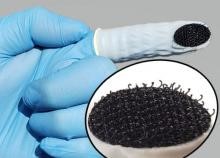 Soft K-Cot® brush-curette is designed to be both minimally invasive and clinically effective for wound hygiene, debridement, and optional tissue sampling. The nitrile finger cot tip is coated with Kylon®, a patented medical fabric which dislodges and collects wound debris efficiently and effectively.
Histologics LLC’s primary objective is to advance a compassionate approach to debridement and wound sampling with devices using Kylon®, a medical fabric enabling frictional tissue cleaning, and debridement with optional specimen capture.
Benefits:
- Fabric disk on finger cot tip is designed for flat or curved wounds that are visible on the body surface
- Versatile use, Ergonomic, and minimally invasive design facilitates user tactile control for targeting and guiding the brushing, sweeping and rotational movements – modulating tactile pressure and method allows for light brushing away of debris versus pressure twisting motion curettage of the wound surface.
- Kylon® medical fabric hooks gently, yet substantially excavates the wound surface, dislodging debris and necrotic tissue, which can be easily wiped off the wound surface with gauze
- Designed for compassionate patient experience and compliance
- Promotes the efficiency of a debriding procedure
- Abundant tissue samples can be collected, stored and transported for laboratory analysis
Indications:
The Soft K-Cot® is indicated for patients with small to moderate sized (no larger than 6cmx6cm), non-fibrotic surfaces of wounds requiring cleansing or debridement in order to remove non-viable tissue and debris. Debridement may stimulate blood flow to encourage tissue regrowth. It is also indicated for scraping or debriding and then transporting tissue requiring histological analyses for further laboratory evaluation regarding infection or other pathology.
Contraindications:
Soft K-Cot® is contraindicated for use with patients with known bleeding disorders or those on anticoagulant therapy, patients with an acute wound infection or condition that is not amenable to debridement, patients with a known allergy to nylon or acrylic plastic, or patients who are pregnant or suspected to be pregnant when a wound biopsy would not be indicated.
Warnings and Precautions:
Federal law restricts this device to sale by or on the order of a physician or other licensed practitioner.
Storage Requirements:
Consult manufacturer on special storage requirements outside of normal room temperatures.
How Supplied/Sizing:
Box of 25 minimum order
Recommended Use:
- Burns
- Chronic Wounds
- Diabetic Foot
- Graft Bed Preparation
- Non/Minimally Exudating Wounds
- Palliative Wounds
- Pressure Ulcers
- Sloughy Wounds
- Surgical Wounds
- Venous Ulcers
Mode of Use/Application:
See manufacturer’s website for detailed instructions for use (IFU):
Instructions for use
Clinically Tested:
Latex-friendly
Product features:
- Single Use
- Disposable
- Instrument
- Sterile
- Variety of sizes
Other features:
- Educational Material Available
- Free Samples/Trials Available
- Published Clinical Study Available
Free Sample Kit Available on Request to:
support@histologicswc.com
Histologics LLC, 4095 E. LaPalma Ave, St N, Anaheim, CA 92807, (888) 235-2275
www.histologicswc.com
support@histologicswc.com
A Review of the Skin Failure Concept
My colleagues, Barbara Delmore PhD, RN, CWCN, MAPWCA and Jill Cox PhD, RN, APN-c, CWOCN, and I have written a paper,1 available electronically ahead of print, that reviews the skin failure concept, defines related controversies, and proposes a model for its pathogenesis. Like all other organs, skin can fail; however, experts continue to grapple with definitions, causative factors, and manifestations. By defining contributing factors that apply to other organ systems, providers establish skin failure as an entity and thus are able to recognize and address it in practice. This also enables providers to assist regulators by incorporating these pathophysiologic factors into modification of quality measurement criteria. Unifying the concept across the health care continuum … read more
Kent Imaging named #15 on the list of “The 20 Most Promising Businesses to Watch in 2021”
Global Business Leaders magazine features Kent Imaging: Setting A New Global Standard in Advanced Tissue Assessment.
CALGARY, ALBERTA, CANADA, November 16, 2021 /EINPresswire.com/ — Kent Imaging Inc., a leading innovator in oxygenation imaging is pleased to report that the company has been named #15 on the list of “The 20 Most Promising Businesses to Watch in 2021” by Global Business Leaders magazine.
Kent Imaging’s flagship product is SnapshotNIR, a handheld and lightweight point-of-care device that can capture tissue oxygenation in superficial tissue with a single click of its camera-like structure. Using multiple wavelengths of near-infrared (NIR) light, SnapshotNIR non-invasively measures relative amounts of oxygenated and deoxygenated hemoglobin in the microcirculation of tissue where oxygen exchange is happening.
With the innovative SnapshotNIR device, Kent is focused on delivering improved usability to enhance workflow integration … read more
Wound dressing releases silver nanoparticles when infections occur
Although silver is highly effective at killing bacteria, it can also be toxic to humans in large amounts. That’s where a new wound dressing is intended to come in, as it only releases its silver payload when infections are present.
Currently being developed at the University of South Australia, the dressing is intended mainly for use on children with burn injuries, as they are particularly at risk of serious infections and sepsis. It’s made up of a topically applied hydrogel that contains silver nanoparticles along with proprietary ingredients which are sensitive to changes in pH and temperature … read more
American CryoStem to Study New Standardized Treatment Protocols for Wound Healing
EATONTOWN, NJ / ACCESSWIRE / November 16, 2021 / American CryoStem Corporation (OTC PINK:CRYO), a clinical stage biotechnology company, global licensor and a pioneer in autologous cellular processing and therapies announced today that it has completed the development of a new standardized wound healing protocol utilizing its tissue based technologies with Advanced Regenerative Associates (Tinton Falls, NJ). The Company’s wound healing technologies rely on exemptions from FDA clinical study and approval for the use of human tissue and cell products (PHS 361 and 21CFR1271.10) and is incorporated into the current standards of care protocols currently in use. The new protocol is focusing on realigning the microenvironment of the treatment area to achieve greater healing support during the treatment period utilizing current standard of care protocols. The initial rollout is fashioned as a study to collect additional information about the wound environment and healing progress. The Company intends to obtain informed consent from each participant for the collection, analysis and potential publication of the assessment data as required under current regulations … read more
CūtisCare Increasing Awareness This National Diabetes Month To Save Limbs and Lives
BOCA RATON, Fla., Nov. 14, 2021 /PRNewswire/ — CūtisCare, a leading provider of wound care management services to hospitals and physicians, is continuing our fight this month to raise awareness regarding diabetes and the available treatment options to help save limbs and lives. According to the CDC, diabetes currently adversely impacts the lives of approximately 34 million Americans, and that number is continuing to increase each year. About 25% of people with diabetes will develop foot ulcers, and 1% end up with an amputation in their lifetime. However, as many as 85% of potential amputations can be avoided when advanced modalities, such as hyperbaric oxygen therapy, or HBOT, are added to a treatment plan.
There is good news on the horizon though. Many of these amputations are preventable. HBOT is one therapy that is showing great promise. Louis Pilati MD, CutisCare’s Medical Advisory Board Member, expounds on the manifold benefits of HBOT for patients with Wagner Grade 3 or higher … read more
New tech wound healing
Safe and effective – wound healing preparation reaches clinical phase II: APO-2 (Aposec) is a secretome-based trial preparation derived from stressed peripheral blood mononuclear cells.
APO-2 was shown to be safe and effective in a multinational Phase I study in patients with diabetic foot ulcers (non-healing foot ulcers). The Data Safety Monitoring Board has therefore recommended continuation into a Phase II clinical trial. This represents a major success for the wound healing preparation developed at MedUni Vienna. APO-2 contains the secretome … read more
Diabetes & Speaking In “Tongues”
I have on several occasions had the unpleasant duty of telling family, friends and clients about a medical condition that they may be challenged with; heart disease, stroke, HIV, COVID-19, cancer etc. but none of them seem to have the same impact as DIABETES. Many people who have never seen the inside of a church building will break out into uncontrollable “tongues” that will amaze even the Apostles at Pentecost. That is how much diabetes is feared and it can cause havoc if not managed properly.
Diabetes on its own will not kill even if it wipes your bank account dry BUT the organ complications that come with poor management or no management is the killer … read more
Power to control bleeding Power to heal | LifeScience PLUS
LifeScience PLUS is a leader in advanced wound care technology. We are committed to developing and marketing innovative total wound care solutions: hemostasis (bleeding control), sealant, moist dressing, contamination prevention, and fast tissue growth generation. Our patented, best-in-class flagship product—BloodSTOP® iX Advanced Hemostat with WoundHEAL®—utilizes our revolutionary technology for both acute and chronic wound care.
BloodSTOP iX can be applied in many different specialty care areas with successful and positive outcomes. Our primary focus is to provide medical professionals an innovative product for EMS prehospital point-of-care treatment of traumatic wounds; for surgical procedures, including burn and trauma surgeries; and for treatment of diabetic ulcer and decubitus wounds … learn more
2021 Desert Foot Virtual Conference
Desert Foot Virtual Multi-Disciplinary Limb Salvage and Wound Care Conference is accredited for 35.5 CE/CME/CECH for all podiatric surgeons, surgical residents, MDs, DOs, WOCNs along with the VA, DOD, IHS and AAWC Healthcare Professionals (www.desertfoot.org). Conference Co-Chairmen are Drs Charles Andersen, Matthew Garoufalis and Thomas Serena (Past-President AAWC). The Desert Foot Virtual Conference provides a great opportunity for you to meet and share your scientific leadership with a large part of the federal service wound care and surgical community, as well as hundreds of healthcare professionals in acute care, home care and the private sector. The conference brings together six groups involved with limb salvage preservation of the lower extremity, from healthcare clinicians in the private sector, the Veterans Administration, VA Podiatric Residency Directors, Association for the Advancement of Wound Care (AAWC), Arizona Podiatric Medical Association, and the Department of Defense from across the country to a virtual conference to best meet their educational needs. This important conference will be live streamed, and the education will be taught by our nation’s top key opinion leaders focused on evidence-based and best practices to improve limb salvage techniques, advanced wound care skills, and treat surgical and medical disorders of the lower limb … read more
Hymed: Facilitating Effective Wound Care
Delayed wound healing and the resulting impact to the cost of care impacts both patients and facilities across the healthcare continuum. When it comes to wound care, no one is comfortable choosing a service provider with only a basic understanding of the subject. Thus, a product specialist with a historical legacy of providing effective products will invariably gain market traction due to its reliability. Founded in 1995, Hymed has been a renowned name in the healthcare industry for over two decades, offering safe and efficacious, natural wound care products. The company is the developer of innovative wound care products that utilize collagen (the chief structural protein of the body), hyaluronic acid (HA) and glycosaminogly can chemistry for human and animal use. In addition to wound care, these products find varied applications in joint/tissue support, surgery, eye care, dental, and dermatology, and the cosmetic industry … read more
Africa diabetes cases to soar: WHO
Africa is set to see diabetes cases more than double to 55 million by 2045, the biggest increase across the globe, the World Health Organization (WHO) warned Thursday.
“The COVID-19 pandemic will eventually subside, but Africa is projected in the coming years to experience the highest increase in diabetes globally,” said Dr. Matshidiso Moeti, WHO Regional Director for Africa.
Twenty-four million people are living with diabetes today in Africa, which is also the region with the “highest number of people who do not know their diagnosis,” the WHO statement said … read more
‘Foot Selfies’ May Improve Remote Diabetic Foot Monitoring
“Foot selfies” may be a simple solution to keeping tabs on patients at high risk for diabetic foot complications.
Patients with or at risk of foot ulcers are told to check their feet regularly at home, but doing so can be difficult for those who aren’t flexible or who have vision problems. Those who live alone may not be able to ask someone else to check their feet for them. Some use hand mirrors, but those can be difficult to manipulate and don’t offer feedback … read more
Diabetic foot ulcer treatment could kill COVID-19 virus, researchers say
A new foot ulcer formulation developed by scientists at the University of South Australia could be used to kill the COVID-19 virus, according to new research.
In a study published in the journal Applied Physics Letters, the team looked at the treatment of antimicrobial-resistant bacterial infections, experimenting to find an effective non-antibiotic antimicrobial strategy to combat the infections in diabetic foot ulcers.
The authors found that enhancing cold plasma ionized gas with peracetic acid was “highly effective” at eradicating common wound pathogenic bacteria and at inactivating SARS-Cov-2 … read more
Sherlock Holmes and the case of the missing evidence
Portfolio of hydrophilic PU foams and hydroactive nonwovens with sustainability credentials
Freudenberg Performance Materials will showcase its multi-layer material compositions of hydrophilic PU foams and hydroactive nonwovens for sustainable woundcare at Compamed in Düsseldorf from November 15-18 2021.
The Eco-Check label endorses particularly sustainable solutions for the design of wound plasters which use bio-based raw materials, allowing biodegradation in an industrial composting setting after the product has been used.
M 1701 for traditional woundcare plasters comprises 100% polylactid acid derived from natural resources and offers good woundcare characteristics, while M 1714 has superior absorption for more challenging wounds and consists of a mix of bio-based fibres. With a smooth wound contact layer, M 1714 has already been evaluated for industrial compostability and conforms with the ISO 13432 standard … read more
DIAGNOSTIC ACCURACY OF POINT-OF-CARE FLUORESCENCE IMAGING FOR THE DETECTION OF
BACTERIAL BURDEN IN WOUNDS
High bacterial load contributes to chronicity of wounds and is diagnosed based on assessment of clinical signs and symptoms (CSS) of infection, but these characteristics are poor predictors of bacterial burden. Point-of-care fluorescence imaging (FL) can improve identification of wounds with high bacterial burden (>104 CFU/g). FL detects bacteria, whether planktonic or in biofilm, but does not distinguish between the two. In this study, diagnostic accuracy of FL was compared to CSS during routine wound assessment … read more
Mechanosensor Plays Critical Key Role in Skin Wound Healing
PIEZO1, an ion channel mechanosensor found within cells, has been revealed to play a key role in regulating the speed of skin wound healing by researchers at the University of California, Irvine (UCI).
Published today in eLife, the study (“Spatiotemporal dynamics of PIEZO1 localization controls keratinocyte migration during wound healing”) found that in mice lacking the ion channel protein PIEZO1 in keratinocytes, skin wounds heal faster than in mice with increased PIEZO1 function in keratinocytes … read more
DCMH selected for Hyperbaric Oxygen Treatment Study for veterans
The Wound Care unit at Decatur County Memorial Hospital has been selected to participate in a new study on the uses of hyperbaric oxygen treatment in partnership with the Indiana Department of Health and the Department of Veterans Affairs.
The HBOT Pilot Program will study the effect that hyperbaric chamber treatments can have on PTSD and traumatic brain injuries in veterans.
The VA seeks to improve the lives and health of veterans, and they have seen significant anecdotal evidence of the symptoms of PTSD decreasing and traumatic brain injuries improving during hyperbaric therapy … read more
Ion channel mechanosensor plays a key role in regulating the speed of skin wound healing
an ion channel mechanosensor found within cells, has been revealed to play a key role in regulating the speed of skin wound healing by researchers at the University of California, Irvine (UCI).
Published today in eLife, the study, titled, “Spatiotemporal dynamics of PIEZO1 localization controls keratinocyte migration during wound healing,” found that in mice lacking the ion channel protein PIEZO1 in keratinocytes, skin wounds heal faster than in mice with increased PIEZO1 function in keratinocytes … read more
Sonoma Pharmaceuticals (SNOA) Announces Expanded Long-Term Partnership
with Dyamed Biotech for New Territories and Products in Southeast Asia
Sonoma Pharmaceuticals, Inc. (Nasdaq: SNOA), a global healthcare leader developing and producing stabilized hypochlorous acid (HOCl) products for a wide range of applications, including wound care, eye care, nasal care, oral care, dermatological conditions and disinfectant use, and its long-time partner, Dyamed Biotech Pte Ltd., announce a renewed and expanded long-term partnership for Singapore, Malaysia, Indonesia and Thailand for multiple indications using Sonoma’s patented Microcyn® Technology.
Dyamed Biotech Pte Ltd., one of Sonoma’s first international partners, successfully commercializes Dermacyn® Wound Care, Dermacyn® Scarless for Scar Reduction, and Dermacyn® Ezyma Spray for itch relief associated with atopic dermatitis. Dyamed expects to launch Ocucyn® Eye Care and Oracyn® Oral Care in 2022. The Dermacyn® line of products are widely used at many hospitals throughout Singapore and Malaysia … read more
An Observational Clinical Trial Examining the Effect of Topical Oxygen Therapy (Natrox™) on the Rates of
Healing of Chronic Diabetic Foot Ulcers (OTONAL Trial)
Natrox™ topical oxygen therapy (TOT) (Inotec AMD Ltd, Hertfordshire, UK) employs a small battery-powered “oxygen generator” to concentrate atmospheric oxygen and feeds pure, moist, oxygen through a fine, soft tube to a dressing-like “oxygen distribution system”, which is placed over the wound and is held in place by a conventional dressing. The aim was to determine the effectiveness of Natrox™ for non-healing diabetic foot ulcers (DFU) over a 3-month period.Longitudinal, single-arm, open prospective registry study using 12 weeks of TOT using a 4 week run-in period. 20 patients recruited to OTONAL had chronic DFU greater than 3 months duration or minor amputation sites with less than 50% healing in 4 weeks.There were 13 (65%) males and the mean age was 65.7 (±11.6) years. The mean glycated haemoglobin (HbA1c) was 6.9 (±1.3) mmol mol-1 and mean wound duration before TOT was 114 (±79.1) days. 18/20 (90.0%) patients had concomitant lower limb revascularization angioplasty for chronic limb threatening ischaemia. The mean size … read more
Diabetic foot ulcers on the rise
November is Diabetes Awareness Month, a time to bring attention to this fast-growing, life-threatening epidemic. Currently more than 34 million Americans have diabetes and this number is expected to increase to 54.9 million by 2030. Increases have been attributed to a rise in obesity rates and an aging population, but new research shows that younger people are being diagnosed with the disease. From 2001 to 2017, the number of people under age 20 living with diabetes increased by 45 percent, and the number living with type 2 diabetes grew by 95 percent. This troubling development is expected to further challenge the healthcare system in the coming decades … read more
Healing skin ischemia-reperfusion injuries with interleukin-36 receptor antagonists
Skin wounds from ischemia-reperfusion injuries — tissue damage caused by blood returning to tissues after a period of oxygen deprivation — may not heal appropriately in some patients, owing to elusive underlying immunological mechanisms. Scientists from Japan have now succeeded in proposing a means to solve this medical conundrum by understanding the role of interleukin-36 receptor antagonists as they act to inhibit the effects of interleukin-36 cytokines, which could help identify new therapeutic targets for wound healing … read more
We Are Failing Our Patients With Diabetes
My career in medicine has spanned approximately 26 years. Nineteen-ninety-six was my first year of residency training as well as my first real exposure to the emerging specialty of wound care.
To put things into perspective, during my first year of training, there were approximately 300–500 wound care products on the market. That may seem like a lot, especially considering there are now thousands of products that wound providers and others may choose from. Consider, however, that when I began clinical practice, the resources available were considerably different when compared to what is available today … read more
Lipid-lowering and anti-thrombotic therapy in patients with peripheral arterial disease
Patients with peripheral arterial disease (PAD) are at very high risk of cardiovascular events, but risk factor management is usually suboptimal. This Joint Task Force from the European Atherosclerosis Society and the European Society of Vascular Medicine has updated evidence on the management on dyslipidaemia and thrombotic factors in patients with PAD. Guidelines recommend a low-density lipoprotein cholesterol (LDLC) goal of more than 50% reduction from baseline and <1.4 mmol/L (<55 mg/dL) in PAD patients. As demonstrated by randomized controlled trials, lowering LDL-C not only reduces cardiovascular events but also major adverse limb events (MALE), including amputations, of the order of 25%. Addition of ezetimibe or a PCSK9 inhibitor further decreases the risk of cardiovascular events, and PCSK9 inhibition has also been associated with reduction in the risk of MALE by up to 40%. Furthermore, statin- based treatment improved walking … read more
Talk on Malta’s first biomedicine experiment at the International Space Station
Joseph Borg, a lecturer and researcher in Applied Biomedical Science at the University of Malta’s Faculty of Health Sciences, will deliver a talk and presentation on Wednesday, November 10 at 7pm at Spazju Kreattiv, Valletta, regarding an experiment on diabetes he is conducting at the International Space Station (ISS) as part of Project Maleth.
Prof. Borg’s experiment is the first Maltese presence at the ISS, launching the nation into a new era of involvement in space … read more
Magnitude of Surgical Site Infections, Bacterial Etiologies, Associated Factors and Antimicrobial Susceptibility Patterns of
Isolates Among Post-Operative Patients in Harari Region Public Hospitals, Harar, Eastern Ethiopia
Surgical site infections (SSIs) are infections that occur one month after a surgical operation or one year after implant surgery and a surgical procedure, either at the injury site or near the injury site. Surgical site infections are still a major global problem, especially in developing countries, where they cause increased morbidity and mortality. There is a dearth of information regarding SSIs in the eastern Ethiopia, particularly in this study area … read more
Simple Color Change Test Identifies Wound Infections
Researchers at the University of Bath in the UK, along with outside collaborators, have developed a simple color change test that rapidly indicates whether a wound is infected with harmful bacteria. The test works by detecting virulence factors released by the bacteria, which prompt a simple color change in a solution. The test could help clinicians to determine whether to prescribe antibiotics, and may help to avoid unnecessary prescribing. As the test can be administered at the point of care, and does not require expensive and time-consuming laboratory analysis, it may be very useful in low-resource or remote regions … read more
The epidemic of diabetic limb amputation in poor communities and parts of Cleveland
Differences in outcomes across race, ethnicity and income exist for virtually every chronic health condition that Americans experience. Without exception, minority and poor white Americans die younger and suffer more preventable diseases.
November is diabetes awareness month. Few diseases impact every system of the body in the way that diabetes increases the risk for stroke, heart attack and kidney failure.
Of these devastating conditions, loss of limb, or amputation, is one of the most-dreaded complications of diabetes … read more
Advanced Tissue Technologies Provide Flexibility in Regenerative Medicine
Products derived from human and animal tissues, often referred to as tissue technologies, have offered outstanding results in medical care for decadesin the specific areas of soft tissue, nerve, and tendon repairs. These products are notable for aiding individual patients suffering from severe tissue damage, while also supporting large-scale reconstruction efforts for those who were injured in disasters, including 9/11, earthquakes and wars. Medical experts such as Ian Valerio, MD, MS, MBA, of Massachusetts General Hospital, have underscored the benefits and potential opportunities of regenerative therapies in managing complex wounds. One breakthrough product –Integra® Dermal Regeneration Template (Integra Template) — has paved the way for the continuing development of other regenerative medicine products … read more
Prestigious NSF grant awarded to FIU engineering professor for ‘smart’ bandages
In the future, a “smart” bandage being developed at FIU’s College of Engineering and Computing could remotely send real-time information directly to physicians to advise them how well a patient’s chronic wound is healing.
That’s the hope of the project’s mastermind, Satheesh Bojja Venkatakrishnan, a research assistant professor in the Department of Electrical and Computer Engineering.
Venkatakrishnan’s work in the development of a wireless, adhesive bandage to monitor wounds has led to a prestigious National Science Foundation (NSF) Research Initiation Initiative (CRII) grant, also known as a “mini CAREER” award. The highly competitive, $175,000 grant is awarded annually to support the promising research of a small number of principal investigators who are early career academicians … read more
Streaming Mon 6th – Fri 10th December 2021 | 6pm – 7pm (GMT)
With 10 hours of incredibly current topics, Wounds Week 3 will give a chance for the wound care community to come together in these difficult times, engaging in key education free of charge.
Each session has a live Q&A so participants can benefit from one-on-one interactions with the experts and engage in the event, no matter their COVID-19 situation. All our sessions are CPD-certified, and you will receive a certificate for watching on-demand too!
… read more
It’s Time to #BreakTheSilence on Diabetic Foot Ulcers
RedDress is launching a nationwide public awareness campaign, “Break the Silence,” educating Americans about the prevalence and prevention methods of diabetic foot ulcers.
Diabetic foot ulcers are sometimes omitted from the national discussion about diabetes and its complications. “Break the Silence” aims to reduce the stigmas associated with diabetic foot ulcers, while promoting and educating Americans about the prevalence and risk factors associated with this complication of diabetes. “Break the Silence” will run through November and coincide with National Diabetes Awareness Month.
Approximately 25 percent of diabetics will suffer a diabetic foot ulcer in their lifetime, according to the Centers for Disease Control and Prevention (CDC). 1,2
“These ulcers are as serious as some cancers. We need to have a national conversation. Right now, we’re looking at diabetes in very broad strokes. I think we have to have a greater dialogue and more information about diabetic foot ulcers, in general,” expressed Dr. Robert Snyder, Dean of Barry University School of Podiatric Medicine in Miami, one of our partner physicians participating in the “Break the Silence ” campaign … read more
AI guides care of slow-healing wounds
Industry researchers have used machine learning to predict healing times for wounds based in part on patient data stored in electronic health records.
The team suggests its model can help clinicians make optimal decisions for treating slow-to-heal abrasions, lacerations and so on by knowing which new and preexisting patient traits are most likely to influence outcomes.
The study was conducted by staff members of Net Health, a supplier of software and analytics services, and is current in Advances in Wound Care.
The team trained AI prediction models on data from more than 1.2 million wounds … read more
Predicting Chronic Wound Healing Time Using Machine Learning
Chronic wounds have risen to epidemic proportions in the United States and can have an emotional, physical, and financial toll on patients. By leveraging data within the electronic health record (EHR), machine learning models offer the opportunity to facilitate earlier identification of wounds at risk of not healing or healing after an abnormally long time, which may improve treatment decisions and patient outcomes. Machine learning models in this study were built to predict chronic wound healing time … read more
Quinn Receives $1.6 Million NIH Grant for Research on Chronic Skin Wounds
Biomedical engineering professor Kyle Quinn has received a four-year, $1.6 million grant from the National Institutes of Health to develop non-invasive, real-time “optical biopsies” of chronic skin wounds.
The goal of Quinn and researchers in his lab is to provide digital histopathology images — the microscopic examination of tissue to study the manifestation and progression of disease — and other quantitative information without the need for an invasive biopsy, tissue processing and staining with histology dyes … read more
SKIN BACTERIA CAN HELP WOUNDS TO HEAL
Skin wounds heal by coordinated induction of inflammation and tissue repair, but the initiating events are poorly defined. Here we uncover a fundamental role of commensal skin microbiota in this process and show that it is mediated by the recruitment and the activation of type I interferon (IFN)-producing plasmacytoid DC (pDC). Commensal bacteria colonizing skin wounds trigger activation of neutrophils to express the chemokine CXCL10, which recruits pDC and acts as an antimicrobial protein to kill exposed microbiota, leading to the formation of CXCL10–bacterial DNA complexes … read more
Cuba inaugurates a biotechnological industrial complex
Cuba inaugurated this Monday the CIGB-Mariel Biotechnological Industrial Complex, the first high-tech industry located in the Mariel Special Development Zone (ZEDM), the island’s flagship megaproject for commerce and attracting foreign investment …Among the Cuban drugs that he will produce, he cited the anti-covid vaccine Abdala and the Jusvinza drugs -for the treatment of severe and critical patients with covid-19-, Heberprot P -employed to cure diabetic foot ulcers- and Heberferon, applied to patients with skin cancer, dengue and conjunctivitis … read more
University of Huddersfield and Regional Hospital Wiener Neustadt collaborate for wound management projects
The Institute of Skin Integrity and Infection Prevention (ISIaIP) at Huddersfield has signed a memorandum of understanding with the Regional Hospital Wiener Neustadt that will create a satellite office of the ISIaIP south of the Austrian capital Vienna. The alignment will enable joint research projects, international teaching and more publications.
The two institutions have collaborated for several years, with Professor Ojan Assadian having served as a Professor with the ISIaIP for more than four years before returning to Vienna, where he is Medical Director of the Regional Hospital Wiener Neustadt as well as … read more
Childhood Obesity Is Soaring to New Levels
Kids’ weight has spiked during the pandemic, but it’s part of a long-term trend
As a pediatric endocrinologist in a busy New York City hospital, I am acutely aware of the impact COVID-19 has had on my patients. The physical, emotional, social, and academic costs of the pandemic are evident every time I examine a child diagnosed with the virus. However, I am also deeply aware of another health risk that is threatening the well-being of my patients — the significant increase in obesity that we have seen in children and teenagers over the past 18 months.
Before COVID-19, obesity affected around 20% of American children 2 to 19 years of age. Now, the numbers are expected to rise much further, with modeling studies predicting at least a 3% to 4% weight gain in children during the pandemic … read more
The impact of the SARS-CoV-2 pandemic on the management of chronic limb-threatening ischemia and wound care
In the wake of the coronavirus pandemic, the critical limb ischemia (CLI) Global Society aims to develop improved clinical guidance that will inform better care standards to reduce tissue loss and amputations during and following the new SARS-CoV-2 era. This will include developing standards of practice, improve gaps in care, and design improved research protocols to study new chronic limb-threatening ischemia treatment and diagnostic options. Following a round table discussion that identified hypotheses and suppositions the wound care community had during the SARS-CoV-2 pandemic, the CLI Global Society undertook a critical review of literature using PubMed to confirm or rebut these hypotheses, identify knowledge gaps, and analyse the findings in terms of what in wound care has changed due to the pandemic and what wound care providers need to do differently as a result of these changes. Evidence was graded using the Oxford Centre for Evidence-Based Medicine scheme. The majority of hypotheses and related suppositions were confirmed, but there is noticeable heterogeneity, so the experiences reported herein are not universal for wound care providers and centres … read more
Innovative Israeli ‘copper’ dressing helps cure diabetic wounds
Herzliya-based MedCu’s product have already been approved by the US FDA.
An innovative Israeli-made wound dressing has been found to drastically stimulate the healing of diabetic wounds, a new study by physicians at the Rambam Health Care Campus in Haifa has found.
Copper Oxide Impregnated Wound Dressings, developed by Herzliya-based MedCu Technologies, have already received clearance by the major international regulatory bodies – including the United States’ FDA – for use in acute and chronic wounds.
“What is special about our dressing is that it contains particles of copper oxide,” said Dr. Gadi Borkow … read more
Vivex Biologics, Inc. to Attend the Symposium of Advanced Wound Care
Leading regenerative medicine company to participate in initiatives to further educate and improve patient care.
Vivex Biologics, Inc., a leading regenerative medicine company specializing in the development of naturally sourced treatment options, will be attending the Symposium on Advanced Wound Care (SAWC) in Las Vegas on October 29-31, 2021.
SAWC brings together wound care teams, including physicians, nurses, physical therapists, researchers, scientists, podiatrists and dietitians, to improve the overall outcome of patients through furthering wound care education. The event will be comprised of various presentations, case studies, clinical research and practice innovations on topics including wound healing and wound care issues.
VIVEX professionals will host booth #440 during the forum, showcasing VIVEX’s portfolio of wound care products and solutions. The inherent properties of VIVEX’s amniotic allograft products provide mechanical protection and act as a barrier for external wounds, such as diabetic foot ulcers, venous leg ulcers, pressure ulcers and burns while VIVEX’s Integrity Processing™ retains the nutrient-rich growth factors essential for signaling … read more
Organogenesis Showcases Latest Advanced Wound Care Innovations and Research at SAWC Fall 2021 Conference
Organogenesis Holdings Inc. (Nasdaq: ORGO), a leading regenerative medicine company focused on the development, manufacture, and commercialization of product solutions for the Advanced Wound Care and Surgical & Sports Medicine markets, today announced that the latest advanced wound care research on its PuraPly® AM, Affinity®, Apligraf®, and NuShield® product lines will be showcased at the 2021 Symposium on Advanced Wound Care (SAWC) Fall Conference held October 29-31 in Las Vegas, Nev.
Attendees of this year’s event are encouraged to visit the Organogenesis-supported lunch symposium, “New Scientific Data Supporting the Use of an Antimicrobial Native Collagen ECM and Real-World Case Studies Highlighting a Treatment Algorithm Approach” held Friday, Oct. 29, from 11:40 a.m. – 1:10 p.m. PST in the Innovation Theatre … read more
Independence Blue Cross Taps Podimetrics to Prevent Diabetic Amputations Via RPM
Independence Blue Cross (Independence) and Podimetrics, a virtual care management company dedicated to preventing diabetic amputations, today announced an agreement for Podimetrics to remotely monitor Independence fully insured commercial members who have diabetes and a history of a diabetic foot ulcer with the use of the cellular-connected SmartMat … read more
Healogics 8th Annual Diabetes Awareness Campaign, Chronic Wound Healing through Specialized Care
Healogics, the nation’s leading provider of world-class wound care services, is proud to announce the eighth annual Diabetes Awareness Campaign throughout the month of November, which is National Diabetes Awareness Month. The Healogics wound care specialists, at the more than 600 Healogics Wound Care Centers® nationwide, will be raising awareness of the importance of early intervention and specialized care for diabetes-related chronic wounds, such as diabetic foot ulcers … Diabetic foot ulcers are a leading cause of lower-limb amputations and according to the American Diabetes Association, an average of 10 Americans will undergo an amputation due to diabetes every hour. Of the 34.2 million Americans currently living with diabetes, up to 25% may develop a diabetic foot ulcer. These hard-to-heal wounds often go undetected due to the lack of feeling in the lower extremities due to nerve damage caused by diabetes … read more
Scientists report new hydrogel to protect wounds from germs
RUDN University and Shahid Beheshti University (SBU) chemist together with colleagues from Iran created a hydrogel film for wound dressing. It protects the wound from germs and is harmless to healthy tissues. Moreover, its porous structure can hold antibiotic, which kills dangerous microorganisms and provide additional protection. The results are published in the International Journal of Biological Macromolecules.
The main aim in treating wounds is to prevent infection. With an open wound, microbes gain direct access inside the body. This significantly complicates wound healing and can cause more serious consequences, so it is important to develop antibacterial coatings for wounds. One of the modern approaches to this is hydrogel films. Unlike traditional remedies, hydrogels mimic healthy tissue and cover the wound, protecting it from germs. They also help to cool the wound and not over-dry it. In addition, hydrogels can contain … read more
NUS scientists develop a smart bandage to monitor chronic wounds
A research team led by Professor Lim Chwee Teck from the National University of Singapore’s (NUS) Department of Biomedical Engineering and Institute for Health Innovation & Technology (iHealthtech), in collaboration with clinical partners from Singapore General Hospital, has developed a smart wearable sensor that can conduct real-time, point-of-care assessment of chronic wounds wirelessly via an app. A world’s first, the novel sensor technology can detect temperature, pH, bacteria type and inflammatory factors specific to chronic wounds within 15 minutes, hence enabling fast and accurate wound assessment … read more
Utilizing Nanofibers for Treatment of Skin Infections
With the advancement in nanotechnology, its medical applications have provided a significant difference to the level of diagnosis and therapeutics. The use of nanotechnology for regenerative medicine, including wound healing, is an example of how this industry has advanced and developed novel treatments to provide better care to patients … read more
Assessing Oxygenation Status in the Management of Lower Extremity Wounds – webinar
Peripheral arterial disease (PAD), the narrowing or blockage of the vessels carrying blood from the heart to the legs, can have detrimental effects on lower limb health, and can lead to critical limb ischemia, limb loss, and even death. Patients with poor arterial health can develop hard-to-heal ulcers as the blood pools in the lower extremity, causing localized swelling and ulceration.
Transcutaneous monitors that measure tissue oxygen can assist with determining the health of the limb and the ability for a lower extremity wound to heal, and can detect the presence of vascular disease. Understanding these values is vital as it will help the provider to guide clinical decisions in in the plan of care, whether it involve curative measures such as compression therapy or advanced wound care interventions such as negative pressure wound therapy or skin grafts, or palliative or amputation, depending on the patient’s goals. Transcutaneous oxygen measurement can be used to determine amputation level in non-healable wounds … register
A Dual Celebration: Milestones in Diabetes Mellitus and Pressure Injury Research
This month we celebrate World Diabetes Day on November 14,1 which is the birthday of Dr Frederick G. Banting, one of four key collaborators in the discovery of insulin. He pursued the idea that an important element in the pancreas could help save the lives of persons with type 1 diabetes: insulin. It took the other members his team—collaborators at of the University of Toronto— to isolate insulin from the pancreas and formulate it into a lifesaving clinical reality. All of this happened 100 years ago this November, when the researchers demonstrated that insulin extract reduced blood sugar in laboratory animals.1 Because they felt so strongly that this medical breakthrough had to be available to all, they sold the patent for 100 cents ($1) so insulin could be affordable for everyone who needed … read more
How Might Protein Alteration From NPWT Affect Wound Healing?
Excellent continued efforts in elucidating the role that perturbation of the wound matrix (via negative pressure wound therapy (NPWT)) has on angiogenesis, healing and regeneration. A recent study in Molecular Medicine Reports used label‑free quantitative mass spectrometry to analyze differences in granulation tissue protein expression profiles before and after NPWT for patients with diabetic foot ulcers (DFUs).1 They aimed to take a closer look at how NPWT promotes DFU healing. As such, the study identified multiple novel proteins altered by NPWT, paving the way for future studies in this area … read more
Practice Management Education Opportunities Coding Fundamentals
Take the first few steps to coding and billing by joining us for a comprehensive workshop covering the fundamentals of coding and billing for foot and ankle surgeons. Learn the foundation of the coding and billing process from expert colleagues before taking the ACFAS Coding and Billing for the Foot and Ankle Surgeon course. This course is for residents, fellows, new practitioners, office staff of foot and ankle surgeons or anyone who wants to learn more of the basic coding and billing terminology and process. Plus, if you’re a resident and attending Residents Day in the morning the day of the event, this course is a great next step to learning more about coding and billing for your future practice and can be bundled in your pricing … read more

Lower Extremity Wounds: Is It Venous, Arterial, Neuropathic, or a Combination?
Lower extremity wounds manifest in a multitude of ways, with numerous causative or trigger factors. These types of wounds are often costly to treat, are frequently refractory, and have a high risk for recurrence. A comprehensive assessment and an evidence-based treatment plan, along with ongoing patient education and routine follow-up, are essential components of an effective plan of care … read more
Healing of a Chronic Pressure Injury in a Patient Treated With Medical Cannabis for Pain and Sleep Improvement
A Case Report
A small body of evidence suggests medical cannabis may facilitate wound healing, but the exact mechanism of this effect is unclear. PURPOSE: This case report describes a patient with a pressure injury (PI) who received cannabis oil treatment for pain management and sleep improvement. METHODS: A 37-year-old woman with multiminicore disease, scoliosis, short-chain acyl-CoA dehydrogenase deficiency, and epilepsy presented to the Neurology Centre of Toronto with chronic pain and sleep disturbance, including difficulty initiating and maintaining sleep. She also had a 5-year history of a PI between her right iliac crest and right rib cage that had progressively worsened. The patient received a medical cannabis oil protocol that used a combination of cannabidiol and tetrahydrocannabinol … read more
The Courage to Do the Right Thing by Caroline Fife
Nearly 200 years ago, the brilliant French historian Alexis de Tocqueville traveled the fledgling United States and observed that in lieu of hereditary wealth and aristocracy, we were building a society on individualism, market capitalism, and honoring the hard-working common man. However, in his 1835 book, he cautioned that laws could never be a substitute for public morality and that such a society was less endangered by “the great profligacy of a few”, but by the “laxity of morals amongst all.” Those words were prophetic. Individualism and market capitalism have enabled us to create the most technologically advanced healthcare system in the world, but Medicare will be bankrupt in less than 10 years. Although there are a lot of reasons for this dire situation, they include “a laxity of morals amongst all and the great profligacy of a few.” … read more
Treating Wounds in the Very Young
Through the years, I have been asked to see and treat neonates, infants, and children with wounds of various etiologies. These have included genetic problems, pressure injuries occurring in the hospital, operative wounds, and, as they aged, the full spectrum of trauma and burns. I have always been honored to do so, but it must be remembered that treating the young can present its own challenges. Many who treat infants and children look at them as just small adults and proceed to treat them the same way. I learned very early on that neonates, infants, and children should not be treated as just small adults, because they have issues related to their development, age, and genetics that may make adult treatments ineffective at best and harmful at worst. The selection of dressings and bandages must be carefully based on the … read more
The Alliance of Wound Care Stakeholders outlines how wound care may be affected by …
CMS CY 2021 hospital outpatient and physician fee schedule proposed rules
The Center for Medicare and Medicaid Services have released for comment its proposed CY 2021 updates to the Hospital Outpatient Prospective Payment System and Physician Fee Schedule. Below, verbatim, are several provisions the Alliance of Wound Care Stakeholders has identified as particularly impacting wound care clinicians, which the Alliance will be tracking and preparing comment on … read more
Pressure Ulcer/Injury Case Study: Using Advanced Wound Healing Modalities in Post Acute Care Settings
In this case presentation, Martha Kelso, RN, LNC, HBOT, reports on the case of an 87-year-old male patient who presented with a stage 4 pressure ulcer/injury of 7 years’ duration … video
Extensive Type V Aplasia Cutis Congenita Without Fetus Papyraceus or Placental Infarction
Aplasia cutis congenita (ACC) is a congenital disorder characterized by the absence of epidermis, dermis, and sometimes subcutaneous tissue and bone. There are nine types of ACC based on the number and location of the lesions as well as the presence or absence of associated deformities, with type I ACC being the most common. Type V affects the trunk with a characteristic pattern resembling the “H” letter of the alphabet, generally accompanied by fetus papyraceus (death of one of the twin fetuses) or placental infarction. Type V ACC without fetus papyraceus and placental infarction is a rare case. We reported a case of type V ACC in a 3-day-old baby girl, with clinical manifestation of extensive ulcers on the scalp, back, buttocks, and both lower extremities, in an “H”-shaped pattern, with history of placenta accreta, but no fetus papyraceus or placental infarction was found. The patient received dialkyl carbamoyl chloride hydrophobic swab with hydrogel (Sorbact® gel dressing-BSN Medical) and hydrocolloid wound dressing with good response, as indicated by the wounds becoming dried up … read more
Latest Clinical Evidence Presented at SAWC 2021 Illustrates the Significant Clinical Utility of the MolecuLight Point-of-Care …
Imaging Platform
7 Clinical Posters and Presentations Highlight the Breadth of Clinical Benefits
of the MolecuLight Device for Wound Care Applications
TORONTO and LAS VEGAS, Oct. 28, 2021 /PRNewswire/ – MolecuLight Inc., the leader in point-of-care fluorescence imaging for real-time detection of wounds containing elevated bacterial loads, announces the presentation of 7 clinical posters and presentations at the Symposium of Wound Care (SAWC) Fall 2021, held from October 29 – 31, 2021 in Las Vegas, Nevada. SAWC is one of the largest multidisciplinary meetings of wound care professionals.
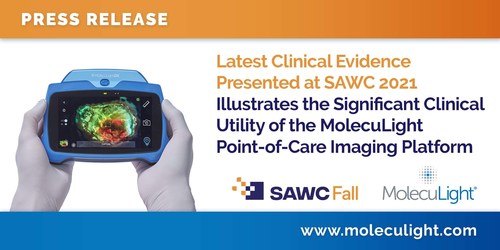
“We are thrilled to have so many customers presenting their impressive clinical findings at this year’s SAWC Fall conference”, says Anil Amlani, MolecuLight’s CEO. “The clinical topics being presented span the wound care continuum, from improved wound assessment and treatment planning, to monitoring of wound cleaning and debridement efficacy, and the resulting improvement in wound healing rates. Presenters will also describe detection and treatment of wound-related cellulitis, and findings from the recently published Delphi consensus-based guidelines for the use of the MolecuLight platform. The outcomes presented in these studies illustrate the significant clinical improvements to wound care provided to clinicians by the MolecuLight i:X“.
A submission on MolecuLight by Dr. Charles A. Andersen was one of the top scoring abstracts out of more than 200 submissions. This is the fifth consecutive SAWC meeting at which an abstract on improved patient care achieved through use of the MolecuLight i:X has received this honour.
The 5 clinical posters and 2 presentations featuring the MolecuLight i:X from SAWC Fall 2021 are as follows:
Poster #CR-005
12-Week RCT Evaluating Impact of Routine Fluorescence Imaging of Bacteria on DFU Healing Rates
Alisha Oropallo, MD¹, Scott Gawlik DPM¹, Dean Vayser, MD²
¹Northwell Comprehensive Wound Health Center and Hyperbarics, Lake Success NY,
²ILD Research Centre, San Diego, CA
Download poster
Poster #CR-006
Cleansing Techniques for Wound Hygiene: Which Are Most Effective?
Alisha Oropallo, MD1, Amit Rao MD1, Jai Joshi1
1Northwell Comprehensive Wound Health Center and Hyperbarics, Lake Success NY
Download poster
Poster #LR-025
Detection of bacterial fluorescence from in vivo wound biofilms using a point-of-care
fluorescence imaging device
Andrea J. Lopez1, Laura M. Jones2, Landrye Reynolds1, Rachel C. Diaz1, Isaiah K. George1, William Little1, Derek Fleming3,4, Anna D’souza2, Kendra Rumbaugh3, Allie Clinton Smith1, Monique Y. Rennie2
1Department of Honors Studies, Texas Tech University, Lubbock TX, USA; 2MolecuLight Inc. Toronto, ON Canada; 3Department of Surgery, Texas Tech University Health Sciences Center; 4Division of Clinical Microbiology, Department of Laboratory Medicine and Pathology, Mayo Clinic, Rochester, MN, USA
Download poster
Poster #CR-020
Are Semi-quantitative Clinical Cultures Inadequate? Comparison to Quantitative Analysis of 1053 Bacterial Isolates from 350 Wounds
Thomas E. Serena1, Phil Bowler2, Gregory Schultz3, Anna D’souza4, Monique Rennie4
1SerenaGroup Research Foundation, Cambridge MA USA; 2Phil Bowler Consulting, Warrington UK; 3Department of Obstetrics and Gynecology, University of Florida, FL, USA; 4MolecuLight Inc. Toronto
Download poster
Poster #PI-003
Guidelines for point-of-care fluorescence imaging for detection of wound bacterial burden based on Delphi consensus
Charles A. Andersen¹, Alisha R. Oropallo², Raymond Abdo³, Jenny Hurlow⁴, Martha R Kelso⁵, M. Mark Melin⁶ and Thomas E. Serena⁷
1Madigan Army Medical Center, Renton WA; 2. Zucker School of Medicine Hofstra/Northwell, Hempstead, NY; 3St. Louis Foot & Ankle LLC, St. Louis MO; 4Consultant Wound Care Practitioner, Memphis TN; 5Wound Care Plus LLC, Blue Springs MO; 6M Health Fairview, Edina MN; 7SerenaGroup Research Foundation, Cambridge MA
Download poster
Oral Presentation & Poster #PI-002
Diagnosis and Treatment of the Invasive Extension of Bacteria (Cellulitis) from Chronic Wounds Utilizing Point-of-Care Fluorescence Imaging
Charles Andersen¹, Katherine McLeod¹, Rowena Steffan¹
¹Vascular/Endovascular/Limb Preservation Surgery Service, Madigan Army Medical Center, Joint base Lewis-McChord, WA USA
Download poster
Podium Presentation
Innovation Spotlight: Shining a Light on Bold Ideas in Wound Care
Charles Andersen¹
¹Vascular/Endovascular/Limb Preservation Surgery Service, Madigan Army Medical Center, Joint base Lewis-McChord, WA USA
In additional to the clinical posters and presentations at SAWC (Symposium on Advanced Wound Care) Fall 2021, the recently launched MolecuLightDX will be available for demonstration in the MolecuLight booth #439 in the Exhibit Hall at Caesars Palace in Las Vegas, Nevada.
About MolecuLight Inc.
MolecuLight Inc., a privately-owned medical imaging company that has developed and is commercializing its proprietary fluorescent imaging platform technology in multiple clinical markets. MolecuLight’s suite of commercially released devices, including the MolecuLight i:X® and DX™ fluorescence imaging systems and their accessories, provide point-of-care handheld imaging devices for the global wound care market for the real-time detection of wounds containing elevated bacterial burden (when used with clinical signs and symptoms) and for digital wound measurement. The company is also commercializing its unique fluorescence imaging platform technology for other markets with globally relevant, unmet needs including food safety, consumer cosmetics and other key industrial markets.
Download for Image:
SOURCE MolecuLight