Month: August 2018

NeuroMetrix to Exhibit and Sponsor Symposium on the

Early Diagnosis of Diabetic Peripheral Neuropathy at the Annual Meeting of NEURODIAB


WALTHAM, Mass., Aug. 29, 2018 (GLOBE NEWSWIRE) — NeuroMetrix, Inc. (Nasdaq:NURO) today reported that it will be both exhibiting and sponsoring a diabetic neuropathy symposium at the 28th Annual Meeting of NEURODIAB held in Rome, Italy September 4-7.


Diabetic peripheral neuropathy (DPN) is the most common complication of diabetes, affecting over half of people with diabetes. It causes significant morbidity including pain, increased risk of falling in the elderly, and is the primary trigger for diabetic foot ulcers which may require lower extremity amputations. Early detection of neuropathy allows for earlier clinical intervention to help mitigate the effects of neuropathy on both patient quality of life and cost of care.


NEURODIAB is the annual meeting of the Diabetic Neuropathy Study Group of the European Association for the Study of Diabetes (EASD) where thought leaders share ideas and scientific findings on diabetic neuropathy. NEURODIAB is considered the most important annual event in the field of diabetic neuropathy … read more

Caring for the diabetic foot

Patients with psoriasis have a higher risk of developing new onset diabetes mellitus. It’s a risk that’s been described as statistically significant. So, in this article, we examine dermatologic care for diabetic foot infections.


Patients with psoriasis have a higher risk of developing new onset diabetes mellitus. The increased incidence of psoriasis and diabetes mellitus was documented in a 2013 study by Usman Khalid, et al. published in Diabetes Care in which authors described the correlation as “statistically significant.” So, in this article, we examine dermatologic care for diabetic foot infections.

Dermatologists must be able to diagnose and manage mild-to-moderate infections in diabetic foot ulcers (DFUs), said Warren S. Joseph, D.P.M., FIDSA, in a presentation at DERMfoot 2018 in Baltimore … read more

True multidisciplinary approach essential for limb preservation

CHICAGO — To prevent amputation, physicians must assemble a comprehensive multidisciplinary team to care for patients at risk for losing their limbs, Ramon Varcoe, MD, MBBS, MS, FRACS, PhD, said at AMP: The Amputation Prevention Symposium.


A multidisciplinary approach to limb preservation begins with recognizing the major drivers of amputation. The global public health threat posed by the “tsunami of diabetes,” for instance, is a significant problem, he said.


If a patient develops diabetes, his or her risk for amputation is 15 times as high as someone who does not, according to Varcoe.


“The impact is more than amputation itself, though; it’s a reduction in life expectancy as well,” he said, noting that studies have linked amputation to an increased risk for death and 5-year rates of death exceeding that of some cancers … read more

New smart bandages could monitor and treat chronic wounds

Researchers in the United States present their findings on research into new smart bandages capable of real-time monitoring and treating chronic wounds.

Chronic wounds develop when a wound fails to heal within the expected time, which might be a couple of weeks or up to several months. They are often caused by diabetic wounds, pressure ulcers, leg ulcers, arterial ulcers, and malignant wounds. Chronic wounds may lead to severe pain, affecting an individual’s quality of life.


Chronic wounds affect millions
Currently, chronic wounds are a major health concern in the United States as they are affecting over 25 million people. This number will likely increase owing to the aging population and the continuous increase in the number of diabetes and obesity cases. According to the American Professional Wound Care Association, chronic wounds have caused the nation over 30 billion dollars each year … read more

Liraglutide May Lower Risk for Foot Amputation in Type 2 Diabetes

Patients with type 2 diabetes who took liraglutide were at a lower risk for foot amputation, according to a study recently published in Diabetes Care.

Researchers completed a post hoc analysis on data collected during the Liraglutide Effect and Action in Diabetes: Evaluation of Cardiovascular Outcome Results (LEADER) trial to determine the effect of liraglutide on rates of diabetes-related foot ulcers in patients who were also at high risk for cardiovascular events. Patients in the LEADER study were randomly assigned to either an intervention arm (n=4668), receiving 1.8 mg of liraglutide a day, or a control arm (n=4672), receiving a placebo. The study continued for 5 years with an average follow-up time of 3.8 years. A diabetes-related foot ulcer was … read more

Deferoxamine Can Prevent Pressure Ulcers and Accelerate Healing in Aged Mice

Chronic wounds are a significant medical and economic problem worldwide. Individuals over the age of 65 are particularly vulnerable to pressure ulcers and impaired wound healing. With this demographic growing rapidly there is a need for effective treatments. We have previously shown that defective hypoxia signaling through destabilization of the master hypoxia‐inducible factor 1α (HIF‐1α) underlies impairments in both aging and diabetic wound healing. To stabilize HIF‐1α, we developed a transdermal delivery system of the FDA‐approved small molecule deferoxamine (DFO) and found that transdermal DFO could both prevent and treat ulcers in diabetic mice. Here, we show that transdermal DFO can similarly prevent pressure ulcers and normalize aged wound healing. Enhanced wound healing by DFO is brought about by stabilization of HIF‐1α and improvements in neovascularization. Transdermal DFO can be rapidly translated into the clinic and may represent a new approach to prevent and treat pressure ulcers in aged patients … read more

Liraglutide May Lower Risk for Foot Amputation in Type 2 Diabetes

Patients with type 2 diabetes who took liraglutide were at a lower risk for foot amputation, according to a study recently published in Diabetes Care.


Researchers completed a post hoc analysis on data collected during the Liraglutide Effect and Action in Diabetes: Evaluation of Cardiovascular Outcome Results (LEADER) trial to determine the effect of liraglutide on rates of diabetes-related foot ulcers in patients who were also at high risk for cardiovascular events. Patients in the LEADER study were randomly assigned to either an intervention arm (n=4668), receiving 1.8 mg of liraglutide a day, or a control arm (n=4672), receiving a placebo. The study continued for 5 years with an average follow-up time of 3.8 years. A diabetes-related foot ulcer was specified as a medical event of special interest, and all complications related to the ulcer were documented.

read more

Texas A&M partnership developing biomedical ‘bandage’ for wounds

University research focusing on building stimuli-responsive material that could release, absorb antibiotics


Researchers at Texas A&M University and the Stevens Institute of Technology are working on the next generation of biomedical materials used to treat chronic wounds, including ulcers and wounds caused by diabetes.


Svetlana Sukhishvili, A&M professor and director of the soft matter facility, and her research partner at Stevens, Hongjun Wang, have conducted experiments alongside their respective teams and combined them to form one study.


“If you have diabetes, for example, your ability to heal wounds may be compromised, and ulcers may occur. What we’re trying to do is give you this bandage-like material that will be able to transform into skin that will help your body overcome the wound and to heal,” said Victoria Albright, a fourth-year doctoral student and lead researcher in the A&M Department of Materials Science and Engineering … read more

Man Bitten By Shark Develops Flesh-Eating Bacteria

A man bitten on the leg by a 7-foot shark quickly gets treatment for his wounds. A week later, he suffers from excruciating pain brought about by flesh-eating bacteria.


In early August, Blaine Shelton from Texas was swimming at Crystal Beach in Houston when he spotted a fin, which he immediately knew was not from a friendly porpoise. He was reportedly about 200 yards from the shore, so he began swimming to get away from the shark. It was then that he was bitten on the thigh, just above his knee. Shelton was able to swim ashore after the bite and was immediately taken to the hospital to be treated for his wounds. He later learns that the shark attack was likely from a 7-foot bull shark … read more

MiMedx Announces Statistically Significant Results

     In New Multicenter Clinical Study Of Healing Of Diabetic Foot Ulcers Using EpiFix®


MARIETTA, Ga., Aug. 24, 2018 /PRNewswire/ — MiMedx Group, Inc. (NASDAQ : MDXG ), a leading developer and marketer of regenerative and therapeutic biologics, today announced that a new study regarding the use of EpiFix® in the treatment of diabetic foot ulcers (DFUs) has been published in the peer-reviewed journal, International Wound Journal.


The paper is entitled “A Confirmatory Study on the Efficacy of Dehydrated Human Amnion/Chorion Membrane dHACM Allograft in the Management of Diabetic Foot Ulcers: A Prospective, Multicenter, Randomized, Controlled Study of 110 Patients from 14 Wound Clinics.” The paper was authored by: William Tettelbach, MD; Shawn Cazzell, DPM; Alexander M. Reyzelman, DPM; Felix Sigal, DPM; Joseph M Caporusso, DPM; and Patrick S. Agnew, DPM. The electronic publication of the article in International Wound Journal can be found at https://onlinelibrary.wiley.com/doi/full/10.1111/iwj.12976.


This multi-center randomized and controlled trial was led by William Tettelbach, MD, principal investigator and former Executive System Medical Director of Wound Care and Hyperbaric Medicine Services for InterMountain Healthcare. Dr. Tettelbach is now Associate Chief Medical Officer for MiMedx, a position that postdated the completion of the study.


Clinical Study Design and Results

The objective of the study was to determine the safety and effectiveness of EpiFix as compared to standard of care (SOC) therapy for the treatment of non-healing DFUs. The primary efficacy endpoint was the incidence of complete wound closure over a 12-week period. Data from 110 patients meeting study inclusion and exclusion criteria were analyzed in the Intent-to-Treat (ITT) cohort. A total of 98 patients completed the study Per Protocol (Per-Protocol cohort).


ITT analysis requires patients to be included even if they did not fully adhere to the protocol. In comparison, in a Per-Protocol analysis, only patients who completed the entire clinical trial according to the protocol are counted towards the final results.


In the current study on an ITT basis, 70% of patients who received weekly EpiFix had complete healing by 12 weeks versus 50% of patients only receiving weekly SOC (EpiFix 70% vs. SOC 50%, p=0.0338) … read more

Epidermolysis bullosa: a case report

Epidermolysis bullosa (EB), often referred to as the butterfly disease, is a group of rare genetic conditions characterized by skin that is delicate and fragile as butterfly wings. The skin blisters in response to friction, minor injury, or trauma. In certain types of EB, other organs, such as the esophagus, can also be affected, and secondary complications may require multiple interventions. While there has been significant progress in classifying the disease – identifying genes and proteins involved – there have been few advances in the treatment of the disease. The care of the EB patient focuses on management of symptoms, protecting the skin, and preventing complications. In this case report, the use of a multivalent wound-healing ointment (Terrasil®) was evaluated in a 60-year-old patient with a history of junctional EB. A polymerase chain reaction-based culturing was utilized to quantitatively test for bacteria and fungi at baseline and follow-up visits. Pain assessment and wound area were also documented at each visit. Following the application of the wound care ointment, there was a reduction in wound surface area on central (96%) and distal mid-back (92%) by treatment visit three, and there was a 96% reduction on the left shoulder blade ulcer by treatment visit four. Moreover, there was a noticeable drop in the percentage of bacteria detected by polymerase chain reaction. The wound care ointment was also effective in eliminating the fungal species and reducing pain, itching, blistering, and cracking around the wound … read more

The industry’s BEST TCC Kit is Now Available on Amazon. M-Med provides the most versatile total contact cast on the market with the TCC-Mobility Series. 60% more padding for patient comfort and safety. Click here for more information on TCC-Mobility Series.


You can order as many or as few kits based on your need- there’s no minimum order quantity. And, we have the Best Price in the marketplace allowing your practice to maximize value per procedure. M-Med’s TCC kits are fully customizable.


Sample Request Form


Dr. Michael Miller

As an advanced wound care specialist for almost 20 years full time, I am a relentless devotee of best practices and the wound care literature. While there are many wound care practices that allow some personal latitude, there are one or two “definites”. The literature has recently become very vociferous in the use of Total Contact Casting as the “Gold Standard” for offloading plantar based Diabetic Neuropathic Foot ulcers. As a non-hospital affiliated wound care specialist, I have no deep pocket entity to support me as I trial device after device searching for ease of use, facilitated patient compliance, and more, best pricing.


I found your devices in a search for an equally efficacious TCC that had better pricing than the many on the market. Since no two patients are alike, the many components in your kit allowed me to configure the final product, controlling the height, thickness, weight and even the configuration/position of the walking gasket. More, the pricing for needed large orders made this a less painful expenditure for me. Of course, the rapid shipping came in handy when my staff opened a closet door to discover two casts and four patients on the schedule in 48 hours.


I wanted to take the time to let you know how much I appreciate the products you have available for those of us who strive to provide best care using the best products, at what I have found to be best service and pricing.


Respectfully yours


Michael S. Miller DO, FACOS, WCC
CEO and Medical Director – The Miller Care Group
Indianapolis, IN

Clay fights MRSA, other ‘superbugs’ in wounds

The use of mud or wet clay as a topical skin treatment, or poultice, is a common practice in many cultures. In fact, the concept of using mud as medicine goes back to the earliest times.


Now, Arizona State University (ASU) and Mayo Clinic researchers have found that one type of clay, Oregon blue clay, may help fight disease-causing bacteria in wounds, including treatment-resistant bacteria. Their findings appear in the International Journal of Antimicrobial Agents.


“The study is an important advance in understanding how clays, specifically blue clay from Oregon, have shown medicinal properties by attaching to pathogenic bacteria,” says Enriqueta Barrera, a program director in the National Science Foundation’s (NSF) Division of Earth Sciences, which funded the research.


The scientists identified certain clays that kill bacteria, including many drug-resistant pathogens.


“Working with Mayo Clinic, we showed that these clays also diminish populations of bacterial biofilms, as well as bacteria common in wounds that are more resistant to drugs,” says biogeochemist Lynda Williams of ASU, a co-author of the study. “The results support our efforts to design new antibacterial drugs using natural clays.” … read more

Innovation in Wound Care

An interview with Prof. Harding, CBE, and Dr Dixon, PhD, conducted by Alina Shrourou, BSC


What is a hard-to-heal wound?

There are many definitions of hard-to-heal. More conventionally, it’s based on underlying etiology of the wound, but in practice it’s any wound that has not healed within a timely fashion. This is often due to a lack of coordinated care. Many of those patients receive multiple courses of antibiotics and antimicrobial therapy, because clinicians aren’t sure what they’re looking at.


Not all wounds are necessarily hard-to-heal from the beginning, but because of the need for improvements and coordination of care, many of those patients that are seen in clinical practice become hard-to-heal … read more

Kekst Works Avista’s Wound Care Deal

Kekst & Co is handling Avista Capital Markets private equity firm’s merger of a “blank check company” with Organogenesis Inc. advanced wound care and sports medicine operation.


ACM has agreed to invest $92M in Canton, MA-based Organogenesis, which is expected to trade on the NASDAQ with an enterprise value in the $675M range when the deal closes by the end of the year.


Organogenesis has more than 600 employees involved in the development, manufacture and commercialization of products in the regenerative medicine sector.


Tom Dean, CEO of Avista Healthcare Public Acquisition Corp., said Organogenesis is “well-positioned to benefit from secular tailwinds driving the advance would care, surgical and sports medicine sectors.” … news release from O’Dwyer’s

MiMedx Announces Statistically Significant Results In New

     Multicenter Clinical Study Of Healing Of Diabetic Foot Ulcers Using EpiFix®


– Study Published in International Wound Journal Reported Statistically Significant Evidence of Healing Compared to Control Group

– Intent-To-Treat EpiFix Treated Patients = 70% vs Control 50%, p=0.0338
– Per-Protocol EpiFix Treated Patients = 81% vs Control 55%, p=0.0093

MARIETTA, Ga., Aug. 24, 2018 /PRNewswire/ — MiMedx Group, Inc. (NASDAQ: MDXG), a leading developer and marketer of regenerative and therapeutic biologics, today announced that a new study regarding the use of EpiFix® in the treatment of diabetic foot ulcers (DFUs) has been published in the peer-reviewed journal, International Wound Journal.


The paper is entitled “A Confirmatory Study on the Efficacy of Dehydrated Human Amnion/Chorion Membrane dHACM Allograft in the Management of Diabetic Foot Ulcers: A Prospective, Multicenter, Randomized, Controlled Study of 110 Patients from 14 Wound Clinics.” The paper was authored by: William Tettelbach, MD; Shawn Cazzell, DPM; Alexander M. Reyzelman, DPM; Felix Sigal, DPM; Joseph M Caporusso, DPM; and Patrick S. Agnew, DPM. The electronic publication of the article in International Wound Journal can be found at https://onlinelibrary.wiley.com/doi/full/10.1111/iwj.12976.


This multi-center randomized and controlled trial was led by William Tettelbach, MD, principal investigator and former Executive System Medical Director of Wound Care and Hyperbaric Medicine Services for InterMountain Healthcare. Dr. Tettelbach is now Associate Chief Medical Officer for MiMedx, a position that postdated the completion of the study.

read more

Type 2 diabetes: Poor sleep slows wound healing

Researchers uncovered a connection between poor sleep and wound healing in type 2 diabetes that could pave the way for new treatments.


Diabetes is one of the leading causes of death in the United States.


Type 2 diabetes is the most common form of diabetes, and it impacts the ability of the body to produce insulin, the hormone that regulates blood sugar levels.


One serious complication of diabetes are ulcers that can form from wounds. Feet are one of the most common places of injury. Small wounds that develop on feet can eventually become ulcers … read more

SGLT2 inhibitor therapies may raise risk for amputation

Adults with type 2 diabetes and established CVD prescribed SGLT2 inhibitor therapy have a twofold increased risk for lower-limb amputation and diabetic ketoacidosis compared with patients prescribed a GLP-1 receptor agonist, according to study findings presented at the European Society of Cardiology Congress.

“Sodium glucose cotransporter 2 inhibitors are playing an increasingly prominent role in the treatment of diabetes, following the reduced risk of major adverse cardiovascular events and heart failure outcomes seen in the EMPA-REG Outcome trial with empagliflozin [Jardiance, Boehringer Ingelheim] and in the CANVAS study with canagliflozin [Invokana, Janssen],” Peter Ueda, MD, PhD, from the department of medicine at the Karolinska Institute in Solna, Sweden, said during a presentation here. “Concerns exist regarding the safety of the drugs, with signals of serious adverse events emerging from clinical trials, case reports and observational studies.” … read more

Wound healing work presented at the RCP Innovation in

     Medicine Conference 2018 by Neem Biotech


Neem Biotech, a South Wales based R&D pharmaceutical biotech working in the field of novel antimicrobial drug development, and the Welsh Wound Innovation Centre recently attended the Royal College of Physicians’ Innovation in Medicine Conference 2018 where Neem presented their data around wound-relevant biofilms.


The promising laboratory data presented reinforces the role of quorum sensing inhibition in virulence factor regulation and biofilm disruption, with implications for management of antimicrobial resistance.


Dr Graham Dixon, Neem’s CEO and Prof Keith Harding … read more

Jipmer to treat wounds with marine resource

Doctors at JIPMER have begun using a marine resource sourced from shrimps for wound management. Marine resources are used to help patients with chronic wounds such as burns, diabetic foot ulcers, bed sores, infections, trauma and even surgery-related injury.


Jipmer Director, Dr. S Vivekanandam, said the protocol was initiated by the Department of Plastic Surgery. As a forerunner, a Continuing Medical Education (CME) was recently organised on ‘Wound Update-2018’ by the Department of Plastic Surgery to sensitise and to make aware of this technology in wound management.


According to the Director … read more

Wound Management Technologies, Inc. (WNDM) Reports

Publication of Clinical Trial Data from CellerateRX(R) Surgical Activated Collagen(R) Peptides


WNDM Medical Inc. (: WNDM) today announced the publication of a journal article in Orthopedics: ”The Effects of Platelet-Rich Plasma and Activated Collagen on Wound Healing in Primary Total Joint Arthroplasty” by David Evans, BA and Bruce Evans, MD. This study examined whether two wound additives, platelet-rich plasma (PRP) and activated collagen (CellerateRX Surgical), would improve postoperative wound healing and reduce complications after total knee or hip replacement surgery.


Based in Fort Worth, Texas, WNDM Medical Inc. (WNDM) has a management team in place with significant healthcare industry experience that is committed to sales growth by providing efficacious products to improve patient outcomes.


Key Points from the Publication


• This was an unsponsored, institutional review board (IRB)-approved, prospective, randomized, single-blinded, controlled study with three cohorts of 30 patients each … read more

Bedside Advanced Wound Care in Nursing Homes

As it stands now, we have 1.6 million nursing home residents in the United States; that number is expected to double by the year 2030. Bringing advanced wound care to the long-term care arena is becoming more common throughout the country. Physician-based wound groups can bring their expertise to the patient’s bedside, thereby saving the patient pain during transport to the wound center and lowering costs. However, certain procedures—such as total contact casting and bioengineered skin substitutes—cannot be performed at the bedside because of billing and reimbursement guidelines.


Physician-Based Wound Care Groups: Rationale and Challenges in the Long-Term Care Setting

Utilizing a wound care physician-based group has many advantages in long-term care. Residents build a trusting relationship with their providers who come weekly to assess and treat their wounds. Wound rounds are also the perfect opportunity for the physician and nurse to collaborate. However, providers tend to have somewhat of a learning curve, as well as culture shock stepping into the long-term care arena for the first time. Being competent in wound care is not sufficient to work as a provider in this setting. The long-term care arena is surprisingly different from the hospital. The best way to describe it is, you are on their turf. Nursing homes are under a microscope, and federal regulations must be followed accordingly or facilities are at risk for fines and penalties. Providers must be compliant with the state survey process and associated wound care federal tags … read more

Medicare update: new electronic clinical quality measure

The Centers for Medicare and Medicaid Services (CMS) recently released an announcement seeking input from stakeholders on a new electronic clinical quality measure under development titled, “Hospital Harm – Hospital-Acquired Pressure Injury.”


This measure assesses the proportion of hospitalized patients 18 years and older who develop a new stage 2-4 pressure ulcer, deep tissue injury, unstageable pressure ulcer, or experience worsening of any of the above during their hospitalization.


We read the full description of the measure and provided the following feedback on behalf of APWCA membership … read more

Skin Conditions Frequently Found in Obese Patient Populations

The Centers for Disease Control and Prevention state that in the United States, “…thirty eight percent of adults, and that seventeen percent of children and teens are obese.” It is imperative that the term obesity be differentiated from overweight. Obesity refers to higher than normal body fat, whereas overweight is in reference to an individual weighing more than the standard for height and weight. Although both terms mean that a person’s weight is greater than what is considered healthy for his or her height, obesity has higher negative health-related consequences.


Health care professionals are challenged to manage increasingly complex health issues related to obesity, including complex skin conditions. The increase in stored fat associated with obesity can contribute to a variety of changes in skin physiology and is implicated in a range of dermatologic conditions.2 The skin’s ability to manage transepidermal water loss is altered in the obese population. With increased fat stores the transepidermal water loss is increased, resulting in dryness and delayed skin repair. Additionally, sebaceous channels are blocked, leading to an increase in oils and resulting in acne.2 The thick layers of subcutaneous fat in obese individuals may contribute to profuse sweating (hyperhidrosis) when overheated or with activities. Hyperhidrosis can set the stage for profuse skin damage. Moisture trapped in skin folds coupled with friction as body folds rub together … read more

Predictors of lower extremity amputation among

     patients with diabetic foot ulcer in a tertiary health facility in north central Nigeria


INTRODUCTION: Diabetic foot ulcer is a complication of diabetes mellitus of great public health importance. It has the potential of leading to the dreaded sequelae of lower extremity amputation. This outcome is associated with significant morbidity and mortality, hence the need to explore its predictors among persons with diabetic foot ulcers.

METHODOLOGY: The study involved the review of the medical records of seventy (70) in-patients who had received treatment for diabetic foot ulcer at the Federal Medical Centre, Keffi, North Central Nigeria. In addition to obtaining sociodemographic and medical history, information on the Wagner grade of the ulcer, the presence of peripheral sensory neuropathy (using the 10g monofilament) and the presence of osteomyelitis (using plain X-ray of the foot) were obtained and documented. The prevalence rate of lower extremity amputation was also determined.

RESULTS: The study population comprised 52.9% males and 42.1% females. The mean age for male and female participants were 53.4±10.5 and 58.8±13.0 years respectively ( t = 2.35; p = 0.061). Majority of study subjects (37.1%) had Wagner grade 2 disease. Prevalence rate of amputation was 38.6%. Among the potential predictors of lower extremity amputation analyzed (Age, sex, foot care education, duration of diabetes, cigarette smoking, walking bare feet, impaired vision, peripheral neuropathy, hypertension, previous foot ulcer, osteomyelitis), none of them demonstrated a significant association with lower extremity amputation.

CONCLUSION: The list of potential predictors of lower extremity amputation considered in this study is by no means exhaustive. More studies involving larger study populations and other potential predictors of lower extremity amputation not considered in this work (such as peripheral artery disease and glycated haemoglobin) are encouraged.

read more

Application of Viable Cryopreserved Human Placental Membrane

Grafts in the Treatment of Wounds of Diverse Etiologies

There is evidence in the literature that viable cryopreserved human placental membrane (vCHPM) grafts are effective in treating diabetic foot ulcers and venous leg ulcers.


Objective. This case series presents 3 cases of chronic ulcerations — 1 arterial ulcer (AU), 1 pressure ulcer (PU), and 1 recurrence of a pyoderma gangrenosum ulcer (PGU) — that had failed previous courses of standard wound care and were subsequently treated with vCHPM to determine if the treatment is an effective modality for treating wounds of these etiologies.


Materials and Methods. This retrospective review describes 3 cases in which patients with chronic wounds that had failed standard of care treatments for more than 4 weeks were subsequently treated with weekly applications of vCHPM. Each wound area was recorded and photographed on a weekly basis and wound area reduction also was charted weekly.


Results. The PU and AU both reached full closure in 4 and 5 weeks, respectively, without complication. The patient with the PGU achieved 64% closure after 9 applications of vCHPM … read more

Inlow’s 60-Second Diabetic Foot Screen Gets a New Look!

Dr. Shane Inlow wrote a two-page article, published in 2004, to help guide clinicians in assessing and planning care for patients with or at risk for diabetic foot ulcers.1 A few years later, clinicians in Northern Canada indicated that one of their problems was communicating effectively with experts in larger centres about their patients’ foot problems. The article by Dr. Inlow came to mind, and Inlow’s 60-Second Diabetic Foot Screen was created to give clinicians a common language and process to perform such an assessment.2 This tool then underwent a validation study that included interrater and intrarater reliability and predictive validity to determine consistency of risk recognition for development of ulceration independent of specific assessor and practice setting.1,3 Four years later, a growing body of work by the International Working Group on the Diabetic Foot (IWGDF) resulted in a risk-classification tool … read more

Ants care for wounded comrades by licking their wounds clean

A species of ant has become the first known non-human animal to tend the wounds of its fellows. “Nurse” ants lick the wounds of fallen comrades, and this helps them survive.


Matabele ants (Megaponera analis) live dangerous lives. Several times a day, parties of 200-600 soldier ants set out to hunt termites, dragging them from their nests and carrying them home. The termites fight back, and their powerful jaws can administer lethal bites, so Matabele ants frequently lose one or more limbs.


In 2017, Erik Frank, then at the University of Würzburg, Germany reported that Matabele ants routinely carry their wounded back to the nest. This is odd, as social insects usually treat each other as expendable … read more

Novel tissue engineering scaffolds fabricated via controlled

     ice crystallization


A large number of people around the world suffer from chronic skin wounds each year. Often, chronic wounds such as skin ulcers are seen in older people suffering from circulation disorders and diabetic patients whose skin tissue has a poor capacity of regeneration. Currently, many treatment approaches focus primarily on managing the wounds.


Researchers have now taken a nanotechnology-based tissue engineering approach to accelerate the regeneration and repair of damaged tissues at the wound site by directing cells and tissues to grow towards the target site. Their hope is that this leads to the development of affordable and functional biodegradable wound dressings for accelerated healing of chronic skin wounds by promoting regeneration of local tissues.


“We show that 3D scaffolds with both aligned nanofibers and aligned interconnected macrochannels can be created with various biomacromolecules, including silk fibroin, using a facile guided ice-crystal growth and nanofiber assembly strategy,” Dr. Linpeng Fan, first author of a paper on this work (ACS Nano, “Creating Biomimetic Anisotropic Architectures with Co-Aligned Nanofibers and Macrochannels by Manipulating Ice Crystallization”), tells Nanowerk … read more

Role of oxygen in wound healing Webcast

13 Sep 2018


This Wounds International webcast focuses on the role of oxygen in wound healing and how topical oxygen therapy can improve oxygenation and, therefore, healing.


In the first presentation, Breda Cullen, Research and Development Director, UK, outlines the vital role that oxygen plays throughout the healing process and the impact that lack of oxygen (hypoxia) can have on the wound. Breda explores the factors that can cause compromised healing and how these can be addressed.
In the next presentation, Hanna Kaufman, Orthopaedic Surgeon, Israel, looks in depth at the clinical evidence and how this can be applied to practice. Hanna identifies the wounds that are suitable for topical oxygen therapy and shares tips for use in practice, drawing on clinical evidence and experience … read more

‘Really Good’ New Guidelines for T2 Diabetes

The diabetes guidelines discussed below are a draft version of a consensus statement to be issued in October at the annual meeting of the European Association for the Study of Diabetes in Berlin, Germany.


Hi. I am Dr Anne Peters, and today I’m going to talk about the new ADA/EASD treatment guidelines for managing patients with type 2 diabetes. First off, my “headline” is that I think these are really good guidelines. Although guiding people is difficult, these guidelines actually begin to guide us in the treatment of our patients with type 2 diabetes …. read more

Agony of Britons hit by chronic wounds lasting more than three months

The devastating impact of chronic wounds has been laid bare as research reveals that hundreds of thousands of patients suffer with pain and immobility for more than a year.


One in ten sufferers is even taking antidepressants to cope, with many more unable to work or leave the house.


About a million patients are undergoing five dressing changes a week, with 90 per cent of those claiming their quality of life is severely affected.


More than 2.8 million Britons are living with a chronic wound, defined as one that does not heal within three months.

But the ‘new normal’ is that patients are affected for eight months … read more

Wounds Australia’s Five Point Plan to Reduce the Burden of Chronic Wounds

The burden of chronic wounds for the individual, the health system and the whole community is familiar to the readers of this journal. Improving lives and saving money through better wound care is a common theme across this issue, and in the broader wound care activities.


Wounds Australia recognises that to achieve our vision of Quality wound care and prevention for all requires us to inform and engage with a broad audience. During Wound Awareness Week from 15 to 21 July 2018 Wounds Australia will launch our Five Point Plan to Reduce the Burden of Chronic Wounds. Our plan outlines 5 key initiatives to drive the change for best practice wound care for all Australians and reduce the suffering as a result of chronic wounds.


1. Medicare funding for treatment of chronic wounds in primary health care. A dedicated MBS item for treatment of chronic wounds to enable GPs, nurses and allied health professionals to deliver the best practice.

2. Subsidised wound products (dressings and related products) for people experiencing long term wound care. Advanced Wound management products often attract a premium cost. Selecting low cost, modest outcome products is a false economy. Research has shown that the use of less expensive dressings actually increases costs of treating a wound … read more

The accuracy of venous leg ulcer prognostic models in a wound care system

Venous leg ulcers are among the most common chronic wounds. Treatment is commonly with a limb compression bandage. Previous small, often single‐center, studies have shown that it is possible to predict which wounds are likely to respond to compression therapy. We designed this cohort study using a dataset of over 20,000 individuals with a venous leg ulcer to investigate the accuracy of several prognostic models. Creating complex models using logistic regression, as well as simply counting prognostic factors, we show that initial measures of wound size and duration accurately predict, as measured by area under the receiver operator curve and Brier score, who will heal by the 24th week of care. For example, a wound that is less than 10 cm2 and less than 12 months old at the first visit has a 29 percent chance of not healing by the 24th week of care, while a wound greater than 10 cm2 …. read more

Oxidized Regenerated Cellulose/Collagen Dressings

     Review of Evidence and Recommendations


Healthcare systems are being challenged to manage increasing numbers of nonhealing wounds. Wound dressings are one of the first lines of defense in wound management, and numerous options exist. The oxidized regenerated cellulose (ORC)/collagen dressing may offer healthcare providers a robust and cost-effective tool for use in a variety of wounds.


Healthcare systems are being challenged to manage increasing numbers of nonhealing wounds. Chronic wounds affect more than 6.5 million people in the United States. This trend has also been observed in other developed countries, such as Denmark (affecting an estimated 1% of the population), Sweden (prevalence: 2.4 per 1000 people), and the United Kingdom (prevalence: 3.55–3.7 per 1000 people). As populations increase and age, the incidence of chronic wounds is also forecasted to increase, further stressing healthcare systems and providers.


Wound healing and tissue regeneration are a complicated series of biochemical processes that create an orderly healing cascade with 4 key phases: hemostasis, inflammation, proliferation, and remodeling. If this process becomes unbalanced, healing stalls and results in chronic, nonhealing wounds. Acute wounds progress through healing in a predictable time frame, culminating in an epithelialized wound. Chronic wounds start out as acute wounds and, unless their chronic causes are removed, either fail to progress through the wound healing process and (most often) stall in the inflammatory phase, or proceed through the repair process without establishing a sustained anatomic and functional result … read more

Molecular study of wound healing after using biosynthesized

     BNC/Fe3O4 nanocomposites assisted with a bioinformatics approach


Department of Bioprocess Technology, Faculty of Biotechnology and Biomolecular Sciences, Universiti Putra Malaysia, Serdang, Selangor, Malaysia; Young Researcher and Elite Club, Sabzevar Branch, Islamic Azad University, Sabzevar, Iran; Department of Cell and Molecular Biology, Faculty of Biotechnology and Biomolecular Sciences, Universiti Putra Malaysia, Serdang, Selangor, Malaysia; Department of Microbiology, Faculty of Biotechnology and Biomolecular Sciences, Universiti Putra Malaysia, Serdang, Selangor, Malaysia; Institute of Tropical Forestry and Forest Products, Universiti Putra Malaysia, Serdang, Selangor, Malaysia; 6Young Research and Elite Club, Parand Branch, Islamic Azad University, Parand, Iran; Department of Medical Genetics, National Institute of Genetic Engineering and Biotechnology, Tehran, Iran; Muthayammal Centre for Advanced Research, Muthayammal College of Arts and Science, Rasipuram, Tamilnadu, India … read more

New Products & Practices for Wound Care

Apps, HydroClean and Honey?

According to PR Newswire, the wound care biologics market is expected to earn 1.42 billion US dollars in 2018. That number is expected to skyrocket by the year 2023, when the market is expected to increase to 2.26 billion US dollars.


That is a jaw-dropping amount of money that we’re spending on wound care. What’s going on?


There are several factors that are driving up the those wound care dollars – primarily diabetic foot ulcers, the aging geriatric population, and a general increase in burn injuries globally.


With the ever-increasing number of wounds requiring advanced wound care, there is new products and practices. Here’s a quick update … read more

Elevated obstructive sleep apnoea risk score is associated

     with poor healing of diabetic foot ulcers: A prospective cohort study


We studied 94 consecutive people (69% men) with diabetic foot ulcers (Type 2 diabetes,n=66, Type 1 diabetes, n=28) attending a university hospital foot unit. All participants were screened for obstructive sleep apnoea using the STOP‐BANG questionnaire, with a score ≥4 identifying high risk of obstructive sleep apnoea. The primary outcome was poor diabetic foot ulcer healing, defined as diabetic foot ulcer recurrence (diabetic foot ulcers which healed and re‐ulcerated in same anatomical position) and diabetic foot ulcer persistence (no evidence of healing on clinical examination). All participants were evaluated at 12 months … read more

Evaluation of skin perfusion pressure to assess refractory foot ulcers

The number of patients with foot gangrene caused by critical ischaemia and severe infection is increasing significantly in developed countries. The measurement of perilesional skin blood flow by skin perfusion pressure (SPP) is useful to select the appropriate treatment of gangrenous lesions, in that it is not affected by calcifications of blood vessels. However, the prognosis of a foot ulcer may also be affected by the level of blood sugar and infections. This study aimed to validate the use of SPP in cases of foot gangrene and ulcers in patients with and without diabetes mellitus (DM) and infection … read more

Mobile diet and exercise apps for adolescent weight loss

Innovative approaches can encourage healthy eating and activity in adolescents.


Takeaways:

  • Nurses can help their adolescent patients with obesity by encouraging a healthy diet and greater activity
  • Smartphone apps for diet and exercise tracking may be an effective tool to help adolescents with obesity lose weight.
  • Recommend apps that are inexpensive and have high user ratings for ease of use and dependability.

By Julie Ludwig, MSN, RN, NP-C, and Christine Galluzzi, MSN, RN, APC-BC


Many teens with obesity go on to have obesity as adults. The ramifications of obesity are both physical and psychological, including metabolic conditions, sleep disorders, bullying, anxiety, depression, and low self-esteem. In addition, adolescents with obesity may experience increased school absenteeism and decreased scholastic performance. The result can be lower quality of life and limited life expectancy.


You can help your adolescent patients with obesity by encouraging a healthy diet and greater activity. (See Help young patients lose weight.) Engaging your patients in this effort may require some innovative interventions, including the use of technology … read more

What Are Biofilms?

Identifying and managing biofilms have become two of the most important aspects of wound care. Biofilms can have a significant impact on wound healing, by contributing to bacterial infection, inflammation, and delayed wound healing. These issues make reducing biofilm presence a critical component of effective wound care. Although over 60% of chronic wounds contain a biofilm, many health care professionals are not able to identify biofilm formation in their patients. To manage this challenge effectively, health care professionals must understand what biofilms are, how to identify them, and how to take steps to reduce their impact on wound healing … read more

This ‘skin printer’ is like a magic wand for healing wounds

Imagine a version of the kind of duct tape dispenser you can buy from your local home Home Depot or white-out tape used for correcting a writing error — only instead of rolling out pieces of tape or white-out material it can produce a sheet of skin tissue to cover a wound. That may sound a couple of phasers away from being a Star Trek gadget, but it’s a very real piece of research coming out of the University of Toronto. Engineers there have developed a 3D skin printer that can apparently, “[form] tissue in situ, depositing and setting in place, within two minutes or less.”


According to its creators, the device could serve as a future alternative to regular skin grafts. However, instead of first requiring that a patient has healthy skin removed to be grafted elsewhere, this device can roll out a new layer of “bio ink”-based, 3D-printed skin tissue onto the areas that are required … read more

Breakthrough Evidence on Vomaris Bioelectric Technology’s

     Impact on Wound Biofilm Infection


TEMPE, Ariz.Dec. 5, 2017 /PRNewswire/ — Vomaris Innovations, Inc. announced today breakthrough results of the first controlled, preclinical in vivo evidence on the anti-biofilm impact of the Company’s bioelectric antimicrobial technology. The study found that the technology can prevent and disrupt biofilm infection and restore functional wound healing. The manuscript, “Electric Field Based Dressing Disrupts Mixed-Species Bacterial Biofilm Infection and Restores Functional Wound Healing,” was published online in the Annals of Surgery. The research was led by Chandan Sen, Ph.D., Professor of Surgery and Director of the Comprehensive Wound Center at The Ohio State University’s Wexner Medical Center.


Bacteria use electrical interactions to communicate with each other in a process called quorum sensing (QS), signaling them to adhere to a wound, multiply, and encase themselves within a protective structural substance known as a biofilm. This protective biofilm barrier impedes the body’s immune defense system and renders the bacteria highly resistant to antibiotics, making biofilm infections extremely difficult to treat.


Approximately 80% of infections in chronic and surgical wounds are thought to be caused by bacteria within biofilm.1,2Chronic wounds affect an estimated 6.5 million patients a year and over $25 billion is estimated to be spent annually on their treatment.3 Surgical site infections (SSIs) occur in 2% to 5% of all patients undergoing inpatient surgery and affect up to 300,000 patients a year in the U.S. alone. Annual costs of managing SSIs range from $3.5 billion to $10 billion … full press release

Vomaris Innovations, Inc. website

Wearable Devices For Diabetics At Risk Of Diabetic Foot Ulcers

A US-Qatar joint research project, involving different studies carried out by the Hamad Medical Corporation (HMC), the Qatar Foundation, and several institutions and companies across the US, developed innovative and useful wearable devices for diabetics, which can help the patients either prevent and manage or even treat diabetic foot ulcers.


By gathering the data from all the studies, the research project earned the Best Research Project Award at Qatar Foundation’s Annual Research Conference, held earlier in 2018.


Research of significant importance for the world
The project, of a considerable importance for Qatar, as the International Diabetes Federations assessed that about 23% of the country’s population has diabetes, while the diabetic foot ulcers are the primary reason for hospitalization, is also massively important for the world, as the nowadays unhealthy dietary habits increase the risks of diabetes development, worldwide … read more

New treatment may dispense old ideas about wound care

Imagine rolling a tape dispenser over a wound, leaving behind a strip of cells that will generate new skin.


Researchers at the University of Toronto and Sunnybrook Hospital are getting close. They have designed a handheld machine that can create tissue and deposit in about two minutes, with material similar to human skin … read more

Researchers develop wearable technology for diabetics

A collaborative research project bringing together four separate studies by researchers at Hamad Medical Corporation (HMC), in partnership with Qatar Foundation and several institutions in the US, has led to the development of innovative, wearable devices that could enhance the prevention, management and treatment of diabetic foot ulcers.
The studies, completed over a 10-year period, won the Best Research Project Award at Qatar Foundation’s Annual Research Conference earlier this year, HMC said in a statement yesterday.

HMC’s podiatry clinics treat thousands of patients with diabetes each year, with nearly 15,000 diabetes-related appointments in 2017 alone. The International Diabetes Federation estimates that around 23% of Qatar’s population has diabetes, with diabetic foot ulcers being the main reason for hospitalisation for people with diabetes.
“Between 10% and 20% of people with diabetes will develop a foot ulcer at some point in their life,” explained Dr Talal Khader Talal, head of Podiatric Services at HMC and a lead author of the studies … read more

A super-elastic surgical glue that sticks and seals in vivo

     even when tissues are moving


To repair ruptured or pierced organs and tissues, surgeons commonly use staples, sutures and wires to bring and hold the wound edges together so that they can heal. However, these procedures can be difficult to perform in hard-to-reach areas of the body and wounds are often not completely sealed immediately. They also come with the risk that tissues are further damaged and infected. A particular challenge is posed by wounds in fragile or elastic tissues that continuously expand or contract and relax, like the breathing lung, the beating heart and pulsing arteries.


To remedy some of these problems, biomedical engineers have developed a range of surgical sealants that can bond tissues to stop leakages. Yet, “currently available sealants are not suitable for most surgical applications and they do not work alone without the need for suturing or stapling because they lack an optimal combination of elasticity, tissue adhesion and strength. Using our expertise in creating materials for regenerative medicine, we aimed to create an actual fix for this problem in a multi-disciplinary effort with clinicians and bioengineers,”

full article

The TIME Model of Wound Bed Preparation: Frequently Asked Questions

On July 24, 2018, I presented a webinar on the topic of the TIME (tissue management, infection or inflammation, moisture balance, and edge of wound) model of wound bed preparation as part of WoundSource’s Practice Accelerator series on wound bed preparation. Preparing a wound for healing is key to ensure that chronic wounds convert to healing wounds. The TIME mnemonic for wound bed preparation assists clinicians and bedside nurses to think critically when making decisions on treatment options. During the image-driven presentation, I discussed such topics as:

  • Use of the TIME mnemonic to evaluate various wound challenges
  • A review of terms related to the TIME wound bed preparation model
  • Visual guidance on different wound types and wound descriptors to determine appropriate next steps for wound healing

read full article


Water for wound cleansing

Although various solutions have been recommended for cleansing wounds, normal saline is favoured as it is an isotonic solution and does not interfere with the normal healing process. Tap water is commonly used in the community for cleansing wounds because it is easily accessible, efficient and cost effective; however, there is an unresolved debate about its use. The objective of this review was to assess the effects of water compared with other solutions for wound cleansing … read more

Identifying and treating foot ulcers in patients with diabetes

     saving feet, legs and lives


There has been a great deal of debate around diabetic foot ulcers (DFUs) and pressure ulcers (PUs) on the feet of patients with diabetes, in terms of how to define, detect, assess and treat them. The confusion and lack of evidence in differentiating between these two types of foot ulcers, particularly on the heel, can lead to misdiagnosis, which can increase both financial and patient-related costs.


To address and tackle those inconsistencies, the Journal of Wound Care (JWC) has published its first international consensus document, Identifying and treating foot ulcers in patients with diabetes: saving feet, legs and lives. The main objectives of this project were to:

  • Provide information on the differences between a DFU and a PU in patients with diabetes

  • Help reduce misdiagnosis by providing and discussing assessment guidelines

  • Make a difference in practice through improved patient outcomes.


With this in mind, an international panel of ten key opinion leaders from Australia, England, Republic of Ireland, Malaysia, Poland, Portugal, Spain, United Arab Emirates and US met on 1 and 2 March 2018 in London. They discussed the definitions of a DFU and a PU, and concluded that one way to distinguish between them is knowing whether the patient is mobile (usually associated with DFUs) or immobile (normally related to PUs), although this should be considered along with simple assessments for ischaemia and neuropathy. To this end, and given the importance of an early and correct assessment, the mnemonic ‘VIPS’ was suggested:

  • V: vascular (ischaemia)

  • I: infection (local signs, odour, exudate, slough, inflammation, etc.)

  • P: pressure (causes mobility or immobility)

  • S: sensation (neuropathy).

read more

Effect of Ovine-Based Collagen Extracellular Matrix Dressings on

     Outcomes in an Outpatient Wound Care Center


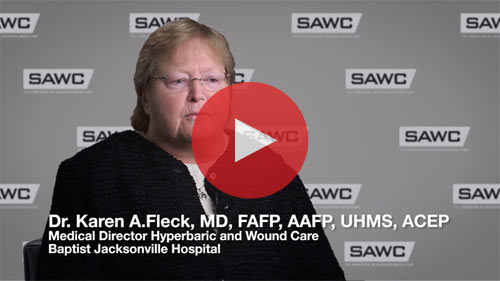
Karen A. Fleck, MD, presents her poster, “Effect of Ovine-Based Collagen Extracellular Matrix Dressings on Outcomes in an Outpatient Wound Care Center,” which was exhibited as a poster at the 2017 SAWC Fall in Las Vegas, NV, with commentary provided by Dr. Daniel T. Ferreras:


Lumicell Launches Wound Care Infection and Perfusion Division

WELLESLEY, Mass.–(BUSINESS WIRE)–Lumicell, Inc., a leader in the field of image-guided cancer surgery, today announced that it has created a new division to drive the expansion of its pioneering technologies to include wound care, infection and perfusion.


According to a recent study in the Journal of The International Society for Pharmacoeconomics and Outcomes Research, each year in the U.S. there are about 8.2 million patients being treated under Medicare for chronic wounds with an estimated cost between $31.7 to $96.8 billion per year1. With the rising prevalence of obesity-related diseases, such as diabetes, and an aging population – there continues to be a growth in the number of patients suffering from chronic wounds. And with healthcare professionals making care decisions based on the limited, evidence-based knowledge of wounds and requiring patients to make weekly visits to track progress, this upward trend is predicted to continue.


“Chronic wounds have a dramatic impact on affected individuals, their families and the U.S. Health Care System, leading to reduced quality of life, limb loss and loss of life at a significant financial cost,” said Robert S. Kirsner, M.D., PhD, FAAD, Director, University of Miami Hospital and Clinics Wound Center. “Unfortunately, wound care is often a largely overlooked medical need compared to other medical challenges like cancer, despite similar effects on loss of life. There is a need for new technologies to assess the state of a wound, integrate this with clinical data, and support the best treatment, for the right patient, at the right time.”


“We created our new wound care, infection and perfusion division for the same reason we launched our pioneering cancer technology — we identified a patient population in desperate need and decided to apply our technology and leverage our world-class team to help people suffering from chronic wounds,” said W. David Lee, CSO of Lumicell. “We believe the biggest healthcare engineering breakthroughs happen outside of the biology lab. As such, Lumicell’s new division will use concurrent engineering – the convergence of engineering and biological research – to accelerate the pace of biological discoveries and create new applications to diagnose and treat patients.”


“While it will require significant research and development, it will be well worth the effort,” Lee said. “Lumicell has already established the foundational technology for this forward-thinking approach and assembled a small group of advisors to guide the team through the first stages of development. Our goal is to better understand wound healing and on a molecular level and to create an unbiased, holistic protocol that blends Lumicell’s care-leading technology, artificial intelligence and informed care options.”


Lumicell also hopes to create a community of wound care experts, including doctors, nurses, researchers and insurance company executives who are interested in providing expertise, evidence, opinions and guidance. This community will curate the statistics, biology and science needed to ensure the infection and profusion detecting technologies and accompanying standard of care protocols are accessible and adopted across disciplines.


Samuel R. Nussbaum MD, Marissa J. Carter PhD MA, Caroline E. Fife MD, Joan DaVanzo PhD MSW, Randall Haught, Marcia Nusgart RPh, Donna Cartwright MPA. An Economic Evaluation of the Impact, Cost, and Medicare Policy Implications of Chronic Nonhealing Wounds. Journal of The International Society for Pharmacoeconomics and Outcomes Research (ISPOR). Value in Health 21 (2018) 27-32


About Lumicell, Inc.
Lumicell is a technology leader in the field of image-guided cancer surgery. The company is developing a novel system that enables real-time detection of tumor tissue in patients so that no cancer cells are left behind during surgery. The company’s LUM System has unprecedented ability to see and remove cancer cells remaining in the surgical cavity – beyond the margin of the specimen – and has the potential to significantly improve surgical outcomes and reduce healthcare costs by eliminating the need for repeat surgeries. Lumicell is investigating the LUM System in patients undergoing surgery for breast cancer, prostate cancer, colorectal, esophageal and pancreatic cancers. Additional future indications are planned to include surgeries for lung, ovarian, and brain cancers. For more information, please visit www.lumicell.com.

Contacts

For Lumicell
Ali Buckneberg, 612-334-5960
ali.buckneberg@wordsatwork.com

press release from BusinessWire

Both Wound Care and Decoration Achieved with 3D-Printed Materials

Cellulose nanofibrils have properties that can improve the characteristics of bio-based 3D-printing pastes. VTT Technical Research Centre of Finland is developing a 3D wound care product for monitoring wound condition in hospital care. However, the first commercial nanocellulose applications will be seen in indoor decoration elements, textiles, and the production of mock-ups.


3D printing has proven to be an efficient manufacturing method for complex, customized, and light structures. In addition to thermoplastics, 3D printing materials include metals, ceramics and foodstuffs. The range of biomaterials in 3D paste printing is still fairly limited, since pastes pose unique challenges: their structure must not collapse during printing and the objects manufactured must remain sufficiently strong, rigid or flexible after drying. In 3D biomaterial filaments, however, commercial products already exist … read more

Expert Insight: Technology to Help Tackle Diabetic Foot Problems

As I’m sure you all know diabetic foot problems in this country and most western countries represent the commonest cause for patients with diabetes being admitted to hospital. And I think there is much we can do about this, and I really think that ulceration, as it’s so common and recurrence is so common, we should really redesign what we say when the patient is healed. Healing gives the impression that it’s gone away and will never come back. Thus in a recent review article[1] with my good friend David Armstrong, from the USA, and Sicco Bus from the Netherlands, we brought out the term remission rather than heal, because foot ulcers recur up to 40% in the first year and up to 60% after several more years. So we should be talking about the foot being in remission because it may recur.


Now what can we do about the foot in remission to prevent recurrence? And I think there’s a lot of exciting data coming through recently. First of all, not recently, it was Dr Paul Brand[2] who worked in leprosy, who observed that the insensitive foot in leprosy, and also in diabetes, tends to heat up before it breaks down. Therefore, the foot warms up because it becomes inflamed … read more

Diabetic Foot and the Bedside Bone Biopsy

This is an edited, translated transcript of a conversation taped on June 24, 2018, during the 78th Scientific Sessions of the American Diabetes Association (ADA) in Orlando, Florida. Prof Ronan Roussel, endocrinologist and diabetologist in Paris, France, spoke with diabetologist Florine Féron and cardiologist Jean-Philippe Kevorkian, both from Hôpital Lariboisière, Paris, about diabetic foot ulcers, amputations, and bedside bone biopsy.


Hello, and welcome to Medscape’s set at the 2018 ADA conference in Orlando. Today our webcast is devoted to diabetic foot. It’s not the most often reported complication of diabetes in abstracts or oral presentations at conferences, but there have been some interesting data at this year’s ADA conference. Joining me to talk about a study they presented during an oral session on diabetic foot are diabetologist Florine Féron and cardiologist Jean-Philippe Kevorkian, both from the Department of Diabetology at Hôpital Lariboisière. … read more

Minimizing Scars of Every Type

Under ideal circumstances, a break in the skin would stimulate the skin’s own repair processes to seal up the wound and restore normal skin. Clotting factors in the blood would stop the bleeding by forming a scab. The second deepest layer of the skin (the dermis) would produce new cells called fibroblasts. Those fibroblasts would produce collagen and other proteins to seal up the wound and produce a seamless layer of new skin. In some cases, evidence of the wound skin completely disappears in about a week, leaving no scar at all.


For the skin to heal without leaving a scar, healing processes have to occur at exactly the right time in precisely the right degree. However, the body puts a premium on fast healing rather than accurate healing.1 Prehistoric man had a better chance at survival if a wound healed quickly than if it had healed perfectly. The skin had to close quickly to prevent excessive blood loss and infection. When the skin heals quickly, the skin that covers the wound is structurally different from normal skin. The wound heals, but the scar tissue that remains is usually permanent.

read more

Researchers develop portable 3-D skin printer to repair deep wounds

University of Toronto researchers have developed a handheld 3-D skin printer that deposits even layers of skin tissue to cover and heal deep wounds. The team believes it to be the first device that forms tissue in situ, depositing and setting in place, within two minutes or less.


The research, led by Ph.D. student Navid Hakimi under the supervision of Associate Professor Axel Guenther of the Faculty of Applied Science & Engineering, and in collaboration with Dr. Marc Jeschke, director of the Ross Tilley Burn Centre at Sunnybrook Hospital and professor of immunology at the Faculty of Medicine, was recently published in the journal Lab on a Chip … read more

Best practice recommendations for the Prevention and

     Management of Diabetic Foot Ulcers


Diabetes mellitus (DM) is a metabolic disorder characterized by hyperglycemia that
leads to microvascular, macrovascular and neuropathic complications. In 2016, there
were 11 million Canadians living with type 1, type 2 or pre-diabetes, and every three
minutes another Canadian is diagnosed. Certain populations are at higher risk for
developing type 2 DM, including those of Asian, African, Hispanic and Indigenous decent.
The rates of DM are three to five times higher in Indigenous populations, an issue
compounded by unique barriers to care including, but not limited to, a lack of cultural
competency among health-care providers, jurisdictional confusion, limited access to
care, geographical location and language barriers.


Foot health should be a major consideration for people with diabetes and for those
who care for them. Foot complications in this high-risk population can lead to a cascade
of negative complications, potentially resulting in loss of limb and life.
The lifetime risk for foot ulceration in people with diabetes is 15 to 25%. According to
the International Diabetes Federation, persons with diabetes are 15 to 40 times more
likely to require lower-leg amputation compared to the general population. Approximately
85% of amputations are preceded by the development of a neuropathic foot
ulcer.


Following a lower-limb amputation, people with diabetes not only suffer the
clinical and psychological consequences of limb loss, but also have a five-year mortality
rate of 50%. This is a higher mortality rate than is seen in breast cancer in females,
prostate cancer in males or lymphoma … read more

Lone Peak Biologics is Excited to Announce its Newest Groundbreaking

     Regenerative Product: AmnioShot™


Amniotic fluid is used in many orthopedic diseases that are resistant to standard techniques. AmnioShot™ is derived from the amniotic fluid of donated birth tissues and leverages the healing properties of amniotic fluid for clinical applications.


Lone Peak Biologics is thrilled to announce the latest addition to its industry-leading line of human biologics products: AmnioShot™. AmnioShot™ leverages the healing properties of amniotic fluid for clinical applications, and has proteins that are known to promote healing, and reduce or inhibit adhesion and infection in a number of scenarios, some of which include:


  • Wounds
  • Osteo-Arthritis, Tendinitis
  • Osteogenesis


Amniotic fluid has been used in many orthopedic diseases that are resistant to standard techniques, and it is being explored extensively to develop innovative therapies for other conditions. Allogeneic amniotic fluid has been used in Achilles tendinosis and plantar fasciosis by incorporating the amniotic fluid allograft as a suspension tissue scaffold or matrix to assist in tendon and fascia repair.


Furthermore, amniotic fluid is known to have low immunogenicity and contains carbohydrates, proteins, lipids, lactate, pyruvate, electrolytes, enzymes, and hormones. Additionally, amniotic fluid contains anti-inflammatory and osteo-promotive agents such as hyaluronic acid, epidermal growth factors (EGF)-angiogenic, transforming growth factors (TGFa and TGFb), and insulin-like growth factors (IGF).


Moreover, it can be used to support re-epithelialization, aid joints and connective tissues, and as a complement to bone grafts for spine fusions and other bone-healing procedures. Studies on the potential of products like these in regenerative medicine have yielded numerous results, and studies demonstrating the use of amniotic products have been largely successful.
Extraction of Amniotic Fluid … read more

Hydrogel could totally change treatment of diabetic wounds

A hydrogel that can help the body heal may also be particularly good at treating wounds related to diabetes, new research suggests.


Tests on diabetic animal models show that the injectable hydrogel significantly accelerates wound healing compared with another hydrogel often used in clinics.


The multidomain peptide (MDP) hydrogel known by its amino acid sequence—K2(SL)6K2—has in a recent study proven useful for the timed release of immunotherapy drugs. It has also been shown to encourage healing all by itself.


That quality may be useful for people with diabetes mellitus who often develop chronic wounds in their lower extremities that take longer to heal than normal wounds do … read more

Material could offer ‘smarter’ wound healing

A new study takes a step toward the development of smarter skin grafts that facilitate healing while minimizing infection for chronic skin wounds.


“Our group has expertise in developing new polymers and functional surface assemblies for biomedical applications,” says Svetlana Sukhishvili, professor and director of the soft matter facility at Texas A&M University.


“At Texas A&M we investigated how to build a stimuli-responsive polymeric material that could absorb and release antibiotics when prompted by a physiologically relevant stimuli,” explains lead researcher Victoria Albright, a graduate student materials science and engineering department … read more

SomaGenics Awarded Multi-Year Funding for Hepatitis Delta Virus Therapeutic Program

SANTA CRUZ, Calif., July 30, 2018 /PRNewswire/ — SomaGenics, Inc. announces the award of a three-year, $2.9 million NIH grant in support of its Hepatitis Delta Virus (HDV) therapeutic program under Principal Investigator and SomaGenics CEO Brian H. Johnston, Ph.D. This Phase II grant, from the NIH’s Small Business Innovation Research (SBIR) program, continues the development of SomaGenics’ novel RNA interference (RNAi)-based approach under a Phase I SBIR grant and will fund late-stage preclinical studies and preparations for clinical trials.


HDV infection, which requires concurrent or prior infection with the hepatitis B virus, results in the most severe form of viral hepatitis, and no HDV-specific therapy exists. Chronic HDV has a 20% mortality rate and its incidence is rising globally. The establishment of U.S.–based Hepatitis Delta Connect (hepconnect.org), a public outreach program, highlights recent efforts to increase patient and physician awareness about the pressing need for HDV screening and treatment.


SomaGenics’ HDV therapeutic is a novel treatment modality simultaneously targeting the virus at multiple stages of its life cycle using the Company’s proprietary synthetic short hairpin RNA (sshRNA®) technology. “Current clinical treatments suffer from multiple problems including limited efficacy, high relapse rate and toxicity,” according to Anne Dallas, Ph.D., Principal Scientist.


To date, the Company has demonstrated efficacy of its sshRNA® HDV therapeutic in cell culture models and will use the new NIH funding to support efficacy studies in animal models as well as to optimize the Company’s novel delivery platform. “Our combination, multi-target approach reduces the likelihood of treatment resistance and targets non-host entities, lowering the chance of toxicity. We are excited that SomaGenics’ therapeutic may have the potential to cure HDV patients,” explains Dr. Dallas.


Somagenics’ sshRNAs® are highly potent RNAi triggers, with IC50’s in the low picomolar range. sshRNAs® have distinct advantages over the more familiar siRNAs, including the fact that they consist of single chemical entities, simplifying their production and purification, and their lack of off-target effects from “passenger” strand retention. sshRNAs® are suitable for use in many indications in addition to HDV, with therapeutics currently in development for chronic wound healing including diabetic foot ulcers.

SomaGenics, Inc. is a privately held company with offices and laboratories located in Santa Cruz, California. The Company specializes in developing novel RNA-centered approaches to address unmet life science research and medical needs. Core competencies include RNA molecules as therapeutic agents, drug targets and biomarkers as well as the development of innovative kits for RNA analysis.


For information on SomaGenics’ HDV program or the sshRNA® platform, please contact Anne Scholz, VP Business Development, 831-426-7700 x20, 199087@email4pr.com


SOURCE SomaGenics, Inc.

Press Release from PRNewswire

Negative pressure wound therapy no better than standard care for open

     traumatic wounds


For open traumatic wounds involving fracture or soft tissue, there is “no clear difference” between standard care and negative pressure wound therapy (NPWT), and the latter is unlikely to be cost-effective, according to a recent Cochrane Review.


“All (of our) research led us to conclude there is no clear difference in the rate of healing of open fracture wounds treated with NPWT and those treated with standard care,” she said, “and also that NPWT is likely not a cost-effective treatment for (these) wounds,” Dr. Joanne Dumville of the University of Manchester, UK, told Reuters Health by email on behalf of her colleagues.


Dr. Dumville and colleagues searched the literature and various registries and reports through June 2018 for published and unpublished randomized controlled trials using NPWT for open traumatic wounds involving either fractures or soft tissue.

read more

AcryMed’s Oxygenesys for Wound O2 Delivery

AcryMed is touting their latest innovation in wound healing: Dissolved oxygen delivery, via their Oxygenesys system:


Our research shows that these new devices deliver significant amounts of dissolved oxygen, which is the biologically relevant form” said Dr. Bruce Gibbins, Founder and Chief Technical Officer at AcryMed. “We conducted studies on human donor skin to show for the first time that through Oxygenesys TDO, sufficient oxygen penetrates deep into tissues to make up for the oxygen deficiency … read more

Keywords:
Oxygen therapy,
OxyGenesys,
AcryMed,
SilvaSorb,
Chronic wounds


AcryMed’s OxyGenesys for Wound O2 Delivery: Where It Stands in 2025

Original Post Date: August 2, 2018

Updated: June 4, 2025

Update Note: This post has been updated in June 2025 to provide the latest insights on OxyGenesys and to introduce NATROX O₂, a modern alternative for topical oxygen therapy in wound care. We’ve added new details to help you stay informed about the best options for managing chronic wounds.

Oxygen is critical for wound healing, playing a key role in cell growth, infection prevention, and reducing inflammation. However, chronic wounds like diabetic foot ulcers or venous leg ulcers often suffer from hypoxia—low oxygen levels due to poor blood flow. This is where topical oxygen therapies (TOT) come in, delivering oxygen directly to the wound to support healing.

Back in 2018, we covered AcryMed’s OxyGenesys, a promising system for wound oxygen delivery. Let’s revisit OxyGenesys, explore its current status, and compare it to a leading alternative, NATROX O₂, which is making waves in 2025.

OxyGenesys: What We Knew in 2018

OxyGenesys was developed by AcryMed, a Beaverton, Oregon-based company focused on wound care innovations. Dr. Bruce Gibbins, AcryMed’s Founder and Chief Technical Officer, shared that OxyGenesys was designed to deliver “significant amounts of dissolved oxygen, which is the biologically relevant form” for wound healing.

AcryMed’s studies on human donor skin showed that OxyGenesys could penetrate deep into tissues, addressing oxygen deficiencies in chronic wounds. This was a big deal because deeper oxygen delivery could potentially accelerate healing, reduce infection risks, and improve outcomes for patients with hard-to-heal wounds.

At the time, OxyGenesys seemed like a game-changer, especially since topical oxygen therapy was gaining traction as a non-invasive way to treat chronic wounds. But what’s happened since then?

OxyGenesys in 2025: Is It Still Available?

Unfortunately, the trail for OxyGenesys goes cold after 2018. AcryMed was acquired by I-Flow Corporation in 2008 for $25 million, with the goal of expanding I-Flow’s wound care offerings. I-Flow was then bought by Kimberly-Clark Healthcare in 2009, which later became part of Owens & Minor.

Employee reviews on Glassdoor suggest AcryMed was shut down after these acquisitions, with the last update from 2015 mentioning its closure. There’s no recent public data on OxyGenesys—no new studies, product listings, or mentions in Owens & Minor’s current portfolio, which now focuses on brands like HALYARD and MediChoice.

A 2025 post on our site referenced an abdominoplasty trial involving OxyGenesys, but the results were inconclusive, showing no significant healing benefits. However, this trial focused on cosmetic surgery wounds, not chronic wounds, which may not align with OxyGenesys’ intended use.

Without updates from Owens & Minor or AcryMed, it’s likely that OxyGenesys is no longer available, possibly discontinued after AcryMed’s closure. If you have information on its current status, we’d love to hear from you in the comments!

A Modern Alternative: NATROX O₂

While OxyGenesys may no longer be an option, topical oxygen therapy remains a vital tool for wound care, and newer technologies have stepped up. One standout is NATROX O₂, developed by Inotec AMD Ltd., which shares OxyGenesys’ goal of delivering oxygen to wounds but with modern advancements and robust clinical evidence as of 2024.

NATROX O₂ is a portable, battery-powered device that provides continuous topical oxygen therapy (cTOT) at a low flow rate of 11ml/hour. It includes an Oxygen Generator that produces pure, humidified oxygen from atmospheric air, and a sterile Oxygen Delivery System with a wheel-shaped design that conforms to the wound, allowing exudate to pass while optimizing oxygen diffusion.

Unlike older systems, NATROX O₂ is silent, lightweight, and designed for 24/7 use, making it practical for both home and clinical settings. It works with most secondary dressings, adding to its versatility.

The evidence for NATROX O₂ is compelling. A 2021 study showed a 71% greater healing rate for chronic wounds like diabetic foot ulcers compared to standard care alone. Patients also reported a 76% reduction in pain, and wounds saw a 73% greater size reduction.

In 2023, the Wound Healing Society gave cTOT a Level 1 evidence rating, and the American Diabetes Association included it in their guidelines for hard-to-heal wounds. NATROX O₂ has been successfully used in over 30 countries, with case studies showing faster healing, lower infection rates, and even limb salvage in severe cases.

Compared to OxyGenesys, NATROX O₂ likely offers a similar focus on sustained oxygen delivery to combat hypoxia, but with the advantage of being actively available and backed by recent data. While OxyGenesys emphasized deep tissue penetration, NATROX O₂’s continuous flow ensures a steady oxygen gradient, which may achieve similar benefits for chronic wound healing.

Why This Matters for Wound Care

Topical oxygen therapies like OxyGenesys and NATROX O₂ address a critical need in wound care: providing oxygen to wounds that traditional treatments can’t heal. If OxyGenesys is no longer available, NATROX O₂ offers a modern, evidence-based alternative that’s accessible today.

For patients, caregivers, and professionals visiting woundcareweekly.com, exploring options like NATROX O₂ can lead to better outcomes for chronic wounds. Interested in learning more about NATROX O₂? Visit their official site for details on how it works and how to access it for your wound care needs [Note: You can insert an affiliate link here if you join a program with NATROX O₂ or a distributor].

Stay tuned to woundcareweekly.com for more updates on wound care innovations.

Silk-based biomaterials in biomedical textiles and fiber-based implants

Biomedical textiles and fiber-based implants (BTFIs) have been in routine clinical use to facilitate healing for nearly five decades. Amongst the variety of biomaterials used, silk-based biomaterials (SBBs) have been widely used clinically viz. sutures for centuries and are being increasingly recognized as a prospective material for biomedical textiles. The ease of processing, controllable degradability, remarkable mechanical properties and biocompatibility have prompted the use of SBBs for various BTFIs for extracorporeal implants, soft tissue repair, healthcare/hygiene products and related needs. The present review focuses on BTFIs from the perspective of types and physical and biological properties, and this discussion is followed with an examination of the advantages and limitations of BTFIs from SBBs. The review covers progress in surface coatings, physical and chemical modifications of SBBs for BTFIs and identifies future needs and opportunities for the further development for BTFIs using SBBs … read more

Keys To Coding When You Are Seeing Patients In Nursing Facilities

The CPT codes 99304–99306 cover initial nursing facility care. Yes, podiatrists can absolutely submit initial nursing facility evaluation and management (E/M) codes for Medicare patients.


Medicare does not recognize consultation codes. When Medicare stopped recognizing consultation codes on January 1, 2010, it then instructed specialists, including podiatrists, to use the initial nursing facility codes when seeing a nursing facility patient for the first time during that patient’s admission. Podiatrists should use initial nursing facility codes if that encounter qualified for what the facility would consider a “consult” and even if the specialist was not the admitting/primary doctor. Since there are now multiple doctors using those initial encounter codes, the admitting/primary doctor must use an “AI” modifier on the initial E/M encounter.


This change did not alter the fact that in order to submit any E/M code, one must meet the thresholds of complexity for that code. Complexity refers to the key elements of E/M coding (history, exam, decision making) in what you performed, what you documented and what was medically necessary … read more

Inherent variations in the cellular events at the site of amputation orchestrate scar‐free

      wound healing in the tail and scarred wound healing in the limb of lizard Hemidactylus flaviviridis


Lizards are unique in having both – regeneration competent (tail) as well as non‐regenerating appendages (limbs) in adults. They therefore present an appropriate model for comparing processes underlying regenerative repair and non‐regenerative healing after amputation. In the current study, we use northern house gecko Hemidactylus flaviviridis to compare major cellular and molecular events following amputation of the limb and of the tail. Although the early response to injury in both cases comprises apoptosis, proliferation and angiogenesis, the temporal distribution of these processes in each remained obscure. In this regard, observations were made on the anatomy and gene expression levels of key regulators of these processes during the healing phase of the tail and limb separately. It was revealed that cell proliferation markers like FGFs were upregulated early in the healing tail, coinciding with the growing epithelium. The amputated limb, in contrast, showed weak expression of proliferation markers, limited only to fibroblasts in the later stage of healing. Additionally, apoptotic activity in the tail was limited to the very early phase of healing, as opposed to that in the limb, wherein … read more