Month: October 2021

Probiotics accelerate wound healing in patients with diabetic foot ulcer

Patients with diabetic foot ulcer (DFU) who were given probiotic supplements for 12 weeks had faster wound healing and improved glycemic control compared with similar patients on placebo, according to researchers who recently published their results in Diabetes/Metabolism Research and Reviews.

ADMIN2-Probiotics pick up the pace

Diabetic foot ulcers healed faster in patients given probiotics.

“Due to the increasing global antimicrobial drug resistance issues, the idea of probiotic consumption is interesting and pertinent because probiotics have the ability to strengthen the immune system, have anti-inflammatory effects, and therefore, could increase the wound healing process,” wrote lead co-author Zatollah Asemi, PhD … read more

Does the Documented History Tell the Patient’s Wound Story Accurately?

Information regarding coding, coverage, and payment is provided as a service to our readers. Every effort has been made to ensure information accuracy. However, HMP Communications and the authors do not represent, guarantee, or warranty that coding, coverage, and payment information is error-free and/or that payment will be received. The ultimate responsibility for verifying information accuracy lies with the reader.

Welcome to the second article dedicated to documentation issues in wound care (click here for the first part). The intent of this article is to point out inconsistencies found in the documentation of a patient’s wound care history and provide possible suggestions on how to avoid creating those inconsistencies. Reviewing numerous wound care records has provided me with interesting findings that I would like to share with you … read more

Efficacy and Safety of a Hyaluronic Acid–Containing Cream in the Treatment of Chronic, Venous, or Mixed-Origin Leg Ulcers

A Prospective, Multicenter Randomized Controlled Trial
Topical applications of hyaluronic acid (HA)–containing formulations, based on the complex and vital role of HA in all stages of the wound-healing process, are routinely used with standard therapy to promote faster healing of chronic wounds. However, evidence to guide clinical decisions on the use of topical HA in the healing of vascular leg ulcers is limited. Objective. This study compared the efficacy and safety of topical application of a hyaluronic acid cream vs a neutral comparator (identical cream without HA) in treating subjects with chronic leg ulcers of vascular origin. Materials and Methods. This was a prospective, multicenter double-blind randomized controlled trial. One hundred sixty-eight subjects with chronic leg ulcers of venous or mixed (venous and arterial) origin were randomized to receive either topical applications of 0.2% HA cream or neutral comparator cream for a maximum of 20 weeks. The primary efficacy endpoint was complete ulcer healing (100% reepithelialization of the wound area centrally assessed at 20 weeks or before and confirmed 3 weeks later). In both groups, topical treatment was associated with standard therapy (ulcer cleansing and optimized compression) … read more

Valsartan nano-filaments alter mitochondrial energetics and promote faster healing in diabetic rat wounds

Chronic wounds are a common and debilitating condition associated with aging populations that impact more than 6.5 million patients in the United States. We have previously demonstrated the efficacy of daily topical 1% valsartan in treating wounds in diabetic mouse and pig models. Despite these promising results, there remains a need to develop an extended-release formulation that would reduce patient burden by decreasing the frequency of daily applications. Here, we used nanotechnology to self-assemble valsartan amphiphiles into a filamentous structure (val-filaments) that would serve as a scaffold in wound beds and allow for steady, localised and tunable release of valsartan amphiphiles over 24 days. Two topical treatments of this peptide-based hydrogel on full-thickness wounds in Zucker Diabetic Fatty rats resulted in faster rates of wound closure. By day 23, all val-filament treated wounds were completely closed, as compared to one wound closed in the placebo group. Mechanistically, we observed enrichment of proteins involved in cell adhesion and energetics pathways … read more

2nd Annual Virtual PRESENT Superbones Superwounds West Conference a Crowd Pleaser

The 2nd Annual Virtual PRESENT Superbones Superwounds West Conference took place October 9-10, 2021. For the past 13 years, since 2008, PRESENT has been running the Superbones Superwounds West each year as a live-in person event in Las Vegas. The pandemic situation has required us to deliver education virtually these past 2 years and this is the 9th full live virtual conference put on by the PRESENT e-Learning Team since March of 2020. The post-event survey for this event revealed that 100% of attendees are likely to return to this conference in its virtual format … read more

Incidence, hospitalization and mortality and their changes over time in people with a first ever diabetic foot ulcer

Diabetic foot ulcers (DFUs) are a severe complication associated with diabetes, a precursor for amputation, and a major cause of patient suffering and high health-care costs.1,2 While the continuous efforts of multidisci-plinary foot clinics and preventive activities in primary care have reduced the incidence of major lower limb amputations in most countries, the prevention of DFUs remains a major challenge.3- 5 Over the years several risk factors associated with the development of a DFU have been discovered, but despite this, little is known about the factors leading directly to the first ever ulceration.6 Therefore, the predictive power of even seasoned cli-nicians in our experience remains low, and combined with the poorly reported, but relatively low, incidence of first ever DFUs, the possibilities for primary prevention is extremely limited.7 These challenges have led to re-current DFUs being studied far more than the first ever DFUs, but despite continuous improvements in healing … read more

Hillrom | WatchCare™ Incontinence Management System | Customer Video

Explore how the WatchCare™ Incontinence Management System provides caregivers with real-time incontinence detection and is designed to protect patient’s skin, optimize caregiver efficiency and improve patient experience. The information contained in these videos is provided for educational purposes only and is not intended nor implied to be a substitute for professional medical advice. You assume full responsibility for how you choose to use this information. Please speak with your healthcare provider about any questions you may have regarding a medical condition. Hill-Rom retains all right, title, and interest in and to the video, and retains the right to demand that you immediately cease use of the video and unembed the video. Hill-Rom may discontinue or disable videos you have embedded at any time for any reason. You will not misrepresent the content contained in the video or use it in conjunction with price comparisons, in derogatory comparisons or in negative comparisons, with Hill-Rom’s competitor’s products, or in derogatory or negative commentaries about Hill-Rom’s products – doing so may subject you to liability. Any and all claims made by you regarding the use, operation, quality, etc. of Hill-Rom’s products are your own, and you shall be responsible for ensuring that all such claims comply fully with all applicable federal, state and local laws.


Joerns Healthcare Introduces Point-of-Care Imaging to Wound Care Portfolio Through MolecuLight Partnership

CHARLOTTE, N.C. and PITTSBURGH, Oct. 19, 2021 /PRNewswire/ — Joerns Healthcare, a healthcare technology and equipment services company, announces the addition of the MolecuLight i:X® and DX™ wound imaging platforms to its wound management portfolio through an exclusive agreement with MolecuLight Corp. to provide MolecuLight’s fluorescence imaging technology for point-of-care detection of the bacterial burden in wounds. The MolecuLight i:X and DX devices are the first-of-their-kind handheld imaging devices that help clinicians quickly and easily visualize the bioburden of wounds as part of the standard clinical examination. The device can be used on all wounds, in all care settings and provides invaluable information in real-time to inform and support clinician decision-making. The automated wound measurement and assessment platform simplifies wound management to maximize healing and patient satisfaction.

“The revolutionary MolecuLight i:X and DX devices are the first point-of-care devices that simplify wound management and put immediate decision-making data at the clinician’s fingertips. The addition of this bedside imaging tool to our Connexio™ platform creates the first holistic system designed to enable immediate, evidence-based decisions for wound management. The device also eliminates the manual, administrative burden clinicians traditionally face by automating the data flows to their EMR platform of choice. The result is improved healing rates, reduced wound management costs, improved patient satisfaction and increased clinician efficiencies,” says Doug Ferguson, Chief Strategy Officer of Joerns Healthcare … read more

Where Do You Get Your Information?

One of the rewarding and fun projects I have been involved with for the past 2 years has been the development of a YouTube video program called “Inside the Doctors” Lounge.”

“The Lounge” is part of a bigger project called MD Coaches and is a talk show–like forum that takes place in an imaginary doctors’ lounge within the YouTube universe. Anyone who has spent time in a doctors’ lounge understands it is a place of respite and where discussions with colleagues can cover a wide range of topics, but most importantly, there is no associated fear of violating HIPAA or other repercussion. Everyone in the Lounge has an opinion, and discussions can become spirited, whether in agreement or not.

My colleagues (Rhonda Crowe, Randy Cook, Rick Zollinger and Dael Waxman) and I recently … read more

Helixmith Announces Phase 3 Study Results of Novel Gene Therapy Treatment for Diabetic Foot Ulcers

at 2021 Annual Meeting of Diabetic Foot Ulcer Conference (DFCon)
Data indicate that gene therapy appears to be effective, particularly in neuroischemic ulcers
SAN DIEGO, Oct. 22, 2021 /PRNewswire/ — Helixmith, a gene therapy company based in Seoul, Korea and San Diego, CA, announced today the results of a Phase 3 study for the treatment of diabetic foot ulcers with their novel gene therapy VM202 (Engensis) at the 2021 annual meeting of the Diabetic Foot Conference (DFCon) held in San Francisco and virtually. The study, “Gene Therapy for Diabetic Foot Ulcers: Analysis of a Randomized, Placebo-Controlled Phase 3 Study of Engensis (VM202), a Plasmid DNA Expressing Two Isoforms of Human Hepatocyte Growth Factor (HGF),” demonstrated a positive trend toward wound closure, potential healing effects and an acceptable safety profile. This is the first study using gene therapy for the treatment of diabetic foot ulcers. DFCon is the premier international, interdisciplinary diabetic foot conference in North America.

The purpose of the un-prespecified interim analysis was to evaluate the status of a 7-month Phase 3 study conducted to test the effect of intramuscular injection of Engensis into the calf muscles of participants having chronic nonhealing diabetic foot ulcers (DFU) with concomitant peripheral artery disease. In the interim ITT population (n=44), there was a positive trend toward wound closure in the VM202 group from month 3 to month 7. Ulcer closure effects were prominent, particularly in neuroischemic ulcer. In 23 patients having this type of foot ulcers, the percentage of subjects reaching complete ulcer closure was significantly higher in the VM202 group at months 3, 4 and 5 (p = 0.0391, 0.0391, and 0.0361, respectively). Engensis seems to also improve hemodynamic features; a potentially clinically meaningful 0.15 increase in ABI was observed in the VM202 group at day 210 in ITT population (p=0.0776). The company believes that intramuscular injections of VM202 plasmid DNA to calf muscle may have promise in treatment of chronic neuroischemic DFUs … read more

A Comprehensive Review of the Pathogenesis, Diagnosis, and Management of Diabetic Foot Infections

GENERAL PURPOSE: To review an approach to diabetic foot infections (DFIs), including acute osteomyelitis, while also discussing current practices and the challenges in diagnosis and management.

TARGET AUDIENCE: This continuing education activity is intended for physicians, physician assistants, nurse practitioners, and nurses with an interest in skin and wound care.

LEARNING OBJECTIVES/OUTCOMES: After participating in this educational activity, the participant will1. Identify the risk factors for developing DFIs.2. Outline diagnostic techniques for assessing DFIs.3. Select the assessment techniques that support a diagnosis of osteomyelitis.4. Choose the appropriate pharmacologic and nonpharmacologic treatment options for patients who have DFIs … read more

MicroVascular Tissues Announces Peer-Reviewed Publication of Positive HIFLO Clinical Trial Results Using mVASC® Graft

Data on Nonhealing Wagner 1 & 2 Neuropathic Diabetic Foot Ulcers Published in IWJ. Additional Data to be Presented at Upcoming 2021 SAWC and DFCon Meetings.
SAN DIEGO, CA, UNITED STATES, October 20, 2021 /EINPresswire.com/ — MicroVascular Tissues, Inc., (MVT), a regenerative tissue company, today announced that the results of its HIFLO Trial assessing patient outcomes after treatment with mVASC® Microvascular Tissue Graft product have been published in an article entitled, “Improved Healing of Chronic Diabetic Foot Wounds in a Prospective Randomized Controlled Multicenter Clinical Trial with a Microvascular Tissue Allograft” in the International Wound Journal (IWJ), one of the preeminent journals aimed at improving patient care in the wound care industry.

The HIFLO trial was a Level 1, prospective, single-blind, randomized clinical trial conducted at six U.S. sites that assessed outcomes in 100 subjects with nonhealing Wagner grade 1 and 2 neuropathic diabetic foot ulcers (DFUs). The primary endpoint was the percentage of ulcers healed within 12 weeks. Secondary and research endpoints included wound area percent reduction, time to healing, improvement in blood flow (perfusion) and peripheral neuropathy … read more

AiCuris Announces Expansion of its Collaboration with Lysando with a Focus on Diabetic Foot Infections

AiCuris Anti-infective Cures AG, a leading company in the discovery and development of drugs against infectious diseases, and the biotechnology company Lysando AG with its Regensburg-based subsidiary Lysando GmbH, today announced the expansion of their existing long-term collaboration for the development and optimization of Artilysin(R)-based drug candidates for the topical treatment of infected, chronic wounds such as diabetic foot infections.

AiCuris and Lysando joined forces in 2019 to drive the fight against antimicrobial resistance, with innovative approaches based on Lysando’s Artilysin(R) technology platform, a new class of phage-lysine derived artificial designer molecules with a novel mode of action and the potential to replace conventional antibiotics. Under the terms of the agreement … read more

Visceral Fat Associated With Increased Arterial Stiffness in Youth With Obesity

Data show In youth with obesity, but not healthy weight, visceral fat was positively associated with PWV and was predictive of PWV beyond BMI and waist circumference.

New research dove into associations between visceral fat and arterial stiffness in youth with healthy weight, obesity, and type 2 diabetes (T2D), in order to discover whether the relationships were independent of body fatness estimates as a predictor of cardiovascular events read more

WoundZipper Application to Distal Forearm Laceration

Application of WoundZipper to a patient with a laceration of distal forearm.

The procedure includes sterilizing affected area with betadine and alcohol prior to application of the WoundZipper. No local anesthetic is required as the procedure is painless. The total procedure time is less than 1 minute. The patient is more comfortable during the procedure and is able to go home in minutes.

The patient returned to clinic after five days for a wound check. The patient was left with a faint, linear scar after 5 days. No suture or staple marks are visible.

Please visit WoundZipper.com for more information about the product.

Case Presentation: Dr. Maher Arafa, MD
Narrator: Kyle Dickinson, PA-C
Video Production: Val Valgardson, MFA

Singapore researchers develop bandage that can wirelessly assess wounds

Researchers in Singapore say they have developed a bandage that can detect and wirelessly send medical information related to chronic wounds, such as temperature and bacteria type. With the ability to capture and transmit such data in under 15 minutes, the wearable sensor is touted to speed up assessment of such wounds and provide more timely treatment.

Called VeCare, the platform encompasses a “wound sensing bandage”, an electronic chip, and a mobile app through which data is transmitted, said the research team from the Department of Biomedical Engineering and Institute for Health Innovation & Technology (iHealthtech) at National University of Singapore (NUS). The researchers also worked with clinical partners from Singapore General Hospital (SGH) … read more

Journal of Wound Care – July issue available online

Research and best practice – all in one resource
Wound Central is a specialist publication from Journal of Wound Care, for healthcare professionals across North America involved in skin integrity and wound management. It shares the latest clinical best practice, peer-reviewed research and medical education, brought to you with the support of the following associations:

  • American Vein and Lymphatic Society (AVLS)
  • Association for the Advancement of Wound Care (AAWC)
  • Academy of Physicians in Wound Healing (APWH)
  • Wound Care Education Institute (WCEI)

July issue is available now. Register here to read the latest issue and more.

Vomaris Announces First Patient Enrollment in Study on Effects of Bioelectric Wound Care in Hidradenitis Suppurativa

TEMPE, Ariz., Oct. 18, 2021 /PRNewswire/ — Vomaris Innovations, Inc. announces the first patient enrollment in a study using its bioelectric antimicrobial wound care technology following surgical treatment for Hidradenitis Suppurativa (HS).

About HS
HS is a chronic inflammatory skin condition that affects 1-4% of the global population. It occurs more often in women than men and is characterized by recurring pus-filled skin abscesses that drain and can develop tunnels under the skin. This results in pain, scarring and suffering that is both physical and emotional. Because HS most commonly occurs in areas where skin rubs together, such as the armpits, groin, buttocks and breasts, it presents unique treatment challenges.

Current treatments are aimed at managing lesions and their symptoms, trying to reduce recurrence and scarring, and coping with the associated psychological impact. Unfortunately, no one treatment is universally effective and there is no cure for HS. When tunnels develop under the skin, a surgical procedure called deroofing is commonly done. While this removes painful lesions and preserves the surrounding tissue, it leaves large open wounds … read more

COVID in the ICU: Can Patients Be Too Obese for ECMO?

Published guidelines recommend against extracorporeal membrane oxygenation (ECMO) for morbidly obese COVID-19 patients in severe distress, but a Florida researcher said his center’s experience indicates that such advice needs another look.

At Orlando Regional Medical Center, mortality in COVID patients with acute respiratory distress syndrome (ARDS) and body mass index (BMI) values above 40, while not good, was no worse than previously reported for all critically ill COVID patients in a large database, said Sergio Ramirez, MD, a critical care fellow at the institution … read more


related:
2,000th ECMO patient

Decline in Diabetic Foot Ulcers Observed in Patients with Type 2 Diabetes (UK)

Although diabetic foot ulcers (DFU) are considered both a major cause of patient suffering and high healthcare costs in the treatment of diabetes, low predictive power of DFUs makes primary prevention practices extremely limited for clinicians and patients.

Stemming from this challenge, a recent study examined incidence rates (IR) and changes over time for the first DFU in patients with diabetes seen in primary care in the United Kingdom … read more

From Chronic to Curable? RHEACELL is Developing a Novel Cell-Therapy Agent for the Treatment of Chronic Venous Ulcers

Heidelberg-based biopharmaceutical company is conducting a follow-up study with highly purified stem cells (AMESANAR (R) ) for the treatment of previously incurable chronic ulcers.

Heidelberg, 19. October 2021 – More than 80,000 people in Germany suffer from chronic venous ulcers (CVU). Triggered by venous insufficiency, wounds and weeping ulcers can develop that may not heal for years. Severely affected patients experience intense pain every day. Until now, there has been no effective treatment – but this could change soon … read more

How a medieval ‘leechbook’ could be the latest cutting-edge treatment to beat superbugs

Could novel vaccines or even a medieval recipe for eye balm provide new ways to defeat the teeming armies of antibiotic-resistant superbugs?

There is no doubt we desperately need new solutions to tackle infectious bacteria: the World Health Organisation (WHO) lists antimicrobial resistance as a top ten global health threat, saying that by 2050 it will kill more people than cancer if resistance keeps rising at current rates … In April, the WHO warned that none of the 43 antibiotics now being developed can beat the world’s 13 most lethal bacteria, such as Acinetobacter baumannii and Pseudomonas aeruginosa, both of which cause blood infections and pneumonia … read more

Relief Therapeutics Reports Two Publications of Positive Data on Nexodyn(R) AOS for Hard-to-Heal Ulcers

GENEVA, SWITZERLAND / ACCESSWIRE / October 20, 2021 / RELIEF THERAPEUTICS Holding SA (SIX:RLF)(OTCQB: RLFTF) (” Relief “), a biopharmaceutical company seeking to provide patients therapeutic relief from serious diseases with high unmet need, today announced that its wholly owned subsidiary, APR Applied Pharma Research SA (” APR “), reported two papers published in the peer reviewed Journal of Wound Care , concluding that the company’s Nexodyn(R) acid-oxidizing solution (AOS), developed with APR’s proprietary Tehclo(R) technology, may represent a valuable therapeutic addition to standard of care (SOC) for the management of hard-to-heal ulcers requiring long periods of treatment. The data also confirmed the safety of Nexodyn(R) AOS.

Conducted by Elia Ricci, M.D., Director of the Difficult Wound Healing Unit, St. Luca Clinic, Department of Surgery A, Pecetto Torinese (TO), Piedmont, Italy, the prospective case series evaluated the clinical impact of Nexodyn(R) AOS in addition to SOC. Between February 2015 and February 2017, a total of 60 patients with hard-to-heal ulcers of various etiologies took part in the study. Patients were treated for 70 days with Nexodyn(R) AOS and the usual SOC wound dressings. The follow-up study, also conducted by Dr. Ricci, included a subset of 31 patients (51.7%) whose wounds had not fully healed by day 70, who opted to continue with treatment for another 22 weeks (for a total treatment time of 32 weeks) … read more

Wound Care Today 2021 conference 19-20 October, Marshall Arena, Milton Keynes

Wound Care Today 2021 offers delegates a unique learning platform, FREE of charge, to enhance their delivery of care through clinical updates, personal development, practical learning zones and networking in a friendly, open and above all else safe environment … Due the huge popularity over the last three years, we’ll have the same mix of clinical and professional development themed sessions – with a host of expert speakers presenting at the conference … read more

Bionix® Introduces AlphaCleanse™ to Wound Care Line

New AlphaCleanse™ Antimicrobial Wound Care System Offers a More Efficient and Convenient Approach to Wound Care Treatment

TOLEDO, Ohio, Oct. 18, 2021 /PRNewswire/ — Bionix® is pleased to announce their new, single-use product—AlphaCleanse™ Antimicrobial Wound Care System with NovaGran™ Hypochlorous Acid.
The all-in-one kit is designed to provide healthcare professionals with the tools for efficient, effective treatment of chronic wounds … Contained in the AlphaCleanse™ Antimicrobial kit are the Bionix® Igloo® Shield and Probe Applicator, NovaGran™ Hypochlorous Acid, and a highly absorbent LiquidLock™ pad. Having all of the components in one kit saves time and protects against the cross contamination that is possible if the user has to search through various boxes for the tools to treat the wound … read more

Study of 236 patients reveals utility of MolecuLight i:X® in detection and management of wound-related cellulitis

Published results describe use of point-of-care imaging for the early detection and proactive management of wound-related cellulitis


TORONTOOct. 12, 2021 /PRNewswire/ – MolecuLight Inc., the leader in point-of-care fluorescence imaging for real-time detection of wounds containing elevated bacterial loads, announced the publication in International Wound Journalof an independent prospective observational study examining the impact of incorporating fluorescence imaging into standard care for the diagnosis and management of wound-related cellulitis. Dr. Charles Andersen, a surgeon at the Madigan Army Medical Center, led this study on wound-related cellulitis, defined as an invasion of bacteria from chronic wounds into the adjacent dermis.

“The results of this study show how MolecuLight point-of-care imaging presents an intriguing solution to revealing extension of bacteria into tissue, reducing misdiagnosis of wound-associated cellulitis, and enabling more proactive early treatment, particularly in patients lacking obvious symptoms”, says Dr. Charles A. Andersen, Chief, Vascular/ Endovascular and Limb Preservation Surgery Service (Emeritus), Chief Wound Care Service and Medical Director Wound Care Clinic at Madigan Army Medical Center, Tacoma, WA. “Given that at least 30% of cellulitis cases are misdiagnosed,6,5 the addition of consistent and objective information provided by fluorescence scans can significantly reduce the uncertainty associated with diagnosis of wound-related cellulitis. In addition, the use of fluorescence imaging to support earlier detection and proactive management of wound-related cellulitis can limit progression of infection and avoid the need for intravenous antibiotics and the high costs associated with inpatient admission”.

An example case of wound-related cellulitis from the study is shown (above) where the wound does not appear to have cellulitis or elevated bacterial burden upon assessment with standard-of-care clinical signs and symptoms (left). In contrast, when imaged with the MolecuLight i:(right), an irregular pattern of red (bacterial) fluorescence extending beyond the wound bed and periwound is visible, and could not be removed with vigorous cleansing, indicating that the bacteria are located subsurface. This pattern of red fluorescence, demonstrating invasive extension of bacteria into surrounding tissues, was consistent in all wounds in the study where wound-related cellulitis was diagnosed.

Dr. Andersen will present the findings of this publication in a talk titled, “Diagnosis and Treatment of the Invasive Extension of Bacteria (Cellulitis) from Chronic Wounds Utilizing Point-of-Care Fluorescence Imaging at the upcoming clinical conference, SAWC (Symposium on Advanced Wound Care) Fall 2021 on Sunday, October 31, 2021 at 9:00 am at Caesars Palace in Las Vegas, Nevada.

References

1

Andersen, C.A. et al, “Diagnosis and Treatment of the Invasive Extension of Bacteria (Cellulitis) from Chronic Wounds Utilizing Point-of-Care Fluorescence Imaging“, International Wound Journal 2021: 1-13

2

Lazzarini L et al, J Infect. 2005;51(5):383-389.

3

Raff AB et al, JAMA. 2016;316(3): 325-337.

4

Pasternack MS. Mandell, Douglas, & Bennett’s Principles & Practice of Infectious Diseases. Vol 1; Phil., PA: Churchill Livingstone/Elsevier; 2010:1289-1312.

5

Weng QY et al, JAMA Dermatol. 2017;153(2):141-146.

6

Levell NJ et al, Br J Dermatol. 2011;164(6):1326-1328.

About MolecuLight Inc.

MolecuLight Inc., a privately-owned medical imaging company that has developed and is commercializing its proprietary fluorescent imaging platform technology in multiple clinical markets. MolecuLight’s first commercially released device, the MolecuLight i:X fluorescence imaging system and its accessories provide a point-of-care handheld imaging device for the global wound care market for the detection of wounds containing elevated bacterial burden (when used with clinical signs and symptoms) and for digital wound measurement. The company is also commercializing its unique fluorescence imaging platform technology for other markets with globally relevant, unmet needs including food safety, consumer cosmetics and other key industrial markets.
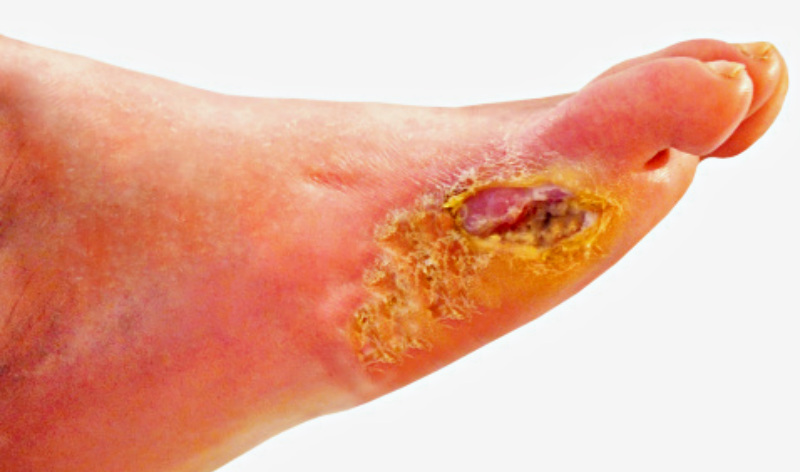

Image:
Download at: https://moleculight.box.com/s/oab22c1vi8ud1j8oymylbfogp2lg12bk

SOURCE MolecuLight

Related Links

www.moleculight.com

The Polymath: Lee Rogers, DPM, RCPS, FFPM

Dr. Lee Rogers is a fellowship-trained podiatrist in diabetic limb salvage.  Dr. Rogers is the Chief of Podiatry and Associate Professor of Orthopedics at University of Texas Health Science Center at San Antonio. He has authored over 150 published papers, books, and book chapters on limb salvage and policy and practice and he has delivered more than 500 lectures around the world:

Mesenchymal Stem Cell Secretome for Dermatology Application: A Review

Secretome, also known as conditioned medium, is a secreted molecule from mesenchymal stem cells (MSCs) that has a variety of biological activities that can be used in various therapies, especially on the skin applications. A lack of conventional therapies makes secretome as a promising alternative therapy. The presence of growth factors, cytokines, and extracellular vesicles including microvesicles and exosomes in secretome has been widely reported, which serves in improving the proliferation and migration of cells to help in skin regeneration. Therefore, we were able to optimize the use of this secretome in a well-needed special review related to its work in addressing various skin problems. So, in this article, we discussed the benefits and biological activity of secretome on the skin application. This review was compiled based on the approval of several sites, such as Scopus, PubMed, Science Direct, and Google Scholar with the terms “MSC secretome for skin,“ “secretome for skin,“ “secretome dermatology,“ “secretome conditioned medium for skin,” ”secretome conditioned medium for skin wound … read more

Fireside Chat with Dr. Breanne Everett

Dr. Breanne Everett is the CEO, President and Co-Founder of Orpyx Medical Technologies Inc., a company which creates medical-grade wearable technologies with unique pressure sensors to help prevent diabetic foot ulcers often caused by peripheral neuropathy, and to aid athletic performance. Dr. Everett was recognized as Graduate of the Last Decade from the University of Calgary, has been named one of the top 100 most powerful women in Canada, and has received the Governor General’s Innovation Award. Dr. Everett is a Loran Scholar, and sits on the CMA’s Joule Innovation Council, the Governor General’s Innovation Award Assessment Committee, and the Rideau Hall Innovation Advisory Council.

Orpyx high-tech insoles a step toward a better future for diabetics

During her studies at the University of Calgary, medical doctor Breanne Everett became interested in plastic and reconstructive surgery, concerned about the burden that diabetic foot complications posed to patients and our health-care system … Orpyx sensory insoles are helping people with diabetes to maintain mobility by helping prevent diabetic foot ulcers and possible limb loss, using advanced pressure, temperature and movement sensor technology and analytics … read more

Join the AAWC Sunday, October 24 online for a live replay encore presentation of the OUTSTANDING PrU EDUCATION, at no cost!

AAWC is delighted to be able to offer a live online replay of a select number of presentations from our Pressure Ulcer Summit.

The PrU Summit, themed Reducing Health Disparities in Pressure Ulcer/Injury (PU/PI) Detection & Management, took place on October 7-9, 2021. As part of the AAWC’s commitment to educating health care professionals on this important topic and as a thank you to the generous support from our sponsors and exhibitors, a live online replay conference will be aired globally, at no cost. More information.

The Role of Nutritional Inventions in Wound Care

A study in the Plastic and Reconstructive Surgery journal investigated the role of nutritional intervention in wound care.

The nutritional intervention and its role in wound care has been a controversial topic, according to authors of a review recently published in the Plastic and Reconstructive Surgery journal.1 This is the first literature review of mineral and vitamin wound intervention using the Preferred Reporting Items for Systematic Reviews and Meta-Analyses guidelines by wound type, according to the review’s authors.

The authors of this review sought to outline the nutrients and delivery methods used in identified relevant studies, analyze treatment outcomes, and summarize the nutrient effectiveness. They also proposed evidence-based conclusions to improve outcomes of wound healing and increase the consistency of nutritional intervention in wound care … read more

Diverting or Swirling, New Blood-Flow Tech Shows Promise for CLTI

From deep-vein arterialization to a 3D stent, data presented at VIVA 2021 encourage novel thinking about peripheral vascular management.

New technologies that divert or improve blood flow offer promising options for patients with chronic limb-threatening ischemia (CLTI), according to two presentations this week at VIVA 2021 … We know there are a group of these patients who are nonrevascularizable with standard means, either percutaneous angioplasty or surgical bypass, and it’s in this group of patients where we’d like to divert the blood flow into the venous system to try and deliver that oxygenated blood to the foot and allow their wounds to heal,” noted Daniel Clair, MD (Vanderbilt University Medical Center, Nashville, TN) … read more

Epidemiology and Risk of Amputation in Patients With Diabetes Mellitus and Peripheral Artery Disease

Peripheral artery disease (PAD) stems from atherosclerosis of lower extremity arteries with resultant arterial narrowing or occlusion. The most severe form of PAD is termed chronic limb-threatening ischemia and carries a significant risk of limb loss and cardiovascular mortality. Diabetes mellitus is known to increase the incidence of PAD, accelerate disease progression, and increase disease severity. Patients with concomitant diabetes mellitus and PAD are at high risk for major complications, such as amputation. Despite a decrease in the overall number of amputations performed annually in the United States, amputation rates among those with both diabetes mellitus and PAD have remained stable or even increased in high-risk subgroups. Within this cohort, there is significant regional, racial/ethnic, and socioeconomic variation in amputation risk. Specifically, residents of rural areas, African-American and Native American patients, and those of low socioeconomic status carry the highest risk of amputation … read more

Unsalvageable: Preventable Amputations Rise During COVID

Leafer Miller didn’t hear much after the doctor told him they had to “sacrifice the leg.”

Lying on the emergency room gurney, the self-proclaimed video game nerd and former athlete struggled to comprehend life without the leg that had propelled him on the track and to the turf for tackles on the soccer field.

“It was always in the back of my mind as a worst-case scenario,” the 35-year-old Fresno, CA, native says. “But I wasn’t expecting that to be the case.”

The amputation was the result of a recurring American narrative: A diabetes diagnosis in his early 20s; a sequence of layoffs and hirings that left his insurance status in flux; missed primary care visits when providers went out of network; and skipped insulin doses due to unaffordable price tags.

“Sometimes, it would come down to insulin or rent,” Miller says, “I felt like my hands were tied.” … read more

Prioritizing Foot Ulcers During Lockdown Paid Off in Belgium

Belgium’s efforts to prioritize care at its diabetic foot ulcer clinics during the COVID-19 pandemic lockdown minimized both delays in care and adverse outcomes, new data suggest … The country has had a national diabetic foot care program in place since 2005, with 34 multidisciplinary clinics recognized by the Belgium Ministry of Health for the treatment of diabetic foot ulcers (DFUs) … The system has resulted in a decline in lower-limb amputations in the country … And while all nonurgent medical care in Belgium was postponed during the national COVID-19 lockdown period March 14-May 3, 2020, the clinics followed advice from professional associations to consider all active DFUs as urgent … read more

Maggots used to clean wounds in NHS as antibiotics fail some patients

Live maggots are being increasingly used to clean wounds by the NHS amid the threat of antibiotic resistance threatening patients’ well-being … According to a report in The Daily Telegraph, the treatment – which involves applying sterilised fly larvae to wounds to eat dead tissue – was common practice in the first half of the 20th century, but faded with the use of antibiotics in the 1940s … However, thanks to antibiotic resistance, maggots are again being used in the NHS and overseas. The paper reports that superbugs kill around 700,000 people a year, a figure predicted to reach 10 million by 2050 … read more

New wound gel to treat foot ulcers

An international research team, led by the University of Canterbury‘s Professor Rudi Marquez, has developed a new wound gel that promises horses and humans. This new wound gel will be used to treat foot ulcers and kick-starts tissue regeneration.

As scientists noted, it could have a significant impact on healing horses and humans alike.

To create this gel, scientists used a protein that helps the skin inside the human mouth to heal quickly … read more

A single center’s 15-year experience with palliative limb care for chronic limb threatening ischemia in frail patients

Our institution’s multidisciplinary Prevention of Amputation in Veterans Everywhere (PAVE) program allocates veterans with critical limb threatening ischemia (CLTI) to immediate revascularization, conservative, primary amputation or palliative limb care based on previously published criteria. These four groups align with the approaches outlined by the Global Guidelines for management of CLTI. The current study delineates the natural history of the palliative limb care group of patients and quantifies procedural risks and outcomes … read more

Launch of New MolecuLightDX™ Device to Enable Point-of-Care Imaging of Wounds in New Expanding Market Segments

MolecuLight Platform is Becoming the Standard-of-Care for Real-Time Imaging of Elevated Bacterial Burden in Wounds Across All Wound Care Settings

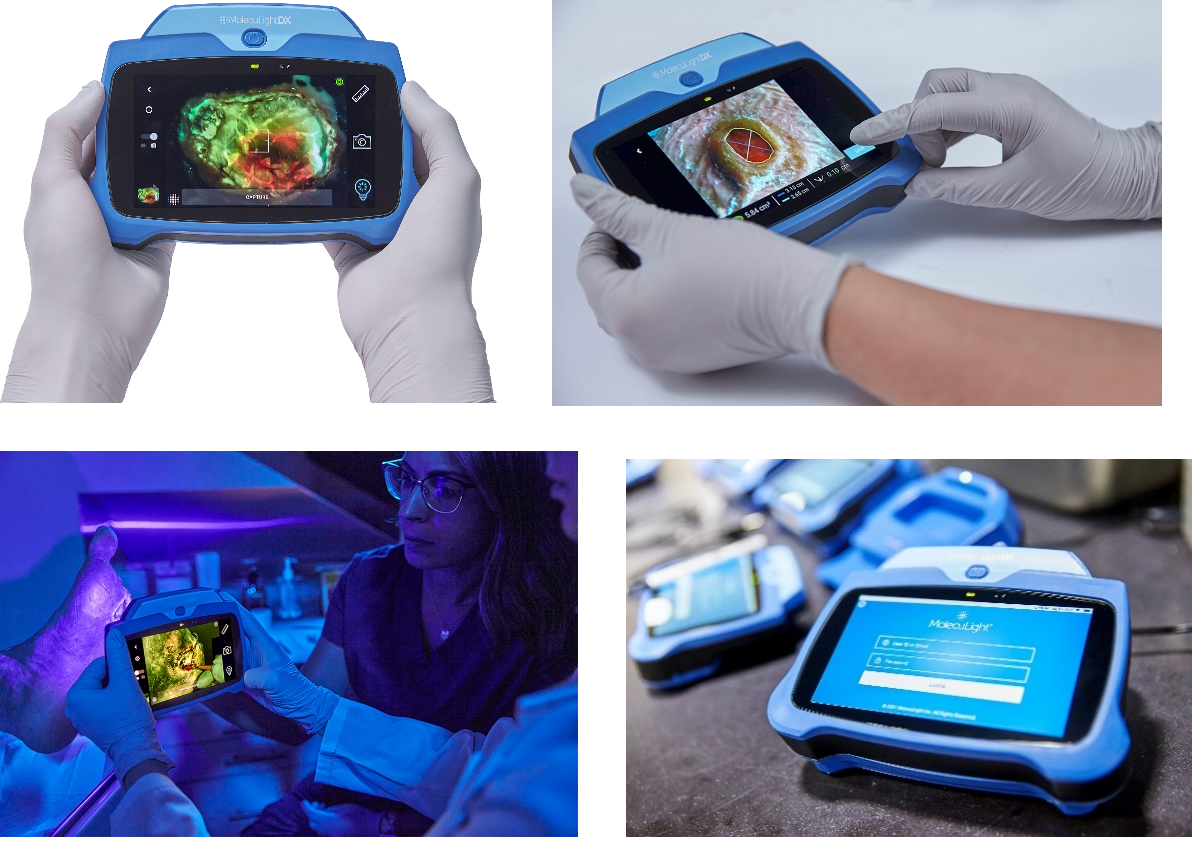
TORONTO, CANADA – (October 14, 2021) MolecuLight Inc., the leader in point-of-care fluorescence imaging for real-time detection of wounds containing elevated bacterial loads, announced the launch of the MolecuLightDX™, a new point-of-care device model targeted at the unique needs of new expanding wound care market segments in the USA. The DX is an expansion of MolecuLight’s product line and compliments the MolecuLight i:X®, the “workhorse” wound imaging device that has quickly become a standard in wound care practices worldwide, with over 2,000 units sold.

“The i:X and DX are the only commercially-available point-of-care devices to enable real-time detection of elevated bacterial burden in wounds. With the introduction of the MolecuLightDX, we are thrilled to expand our product line and provide added functionality for these wound care market segments,” says Anil Amlani, MolecuLight’s CEO.

Specifically, the MolecuLightDX has the following new features frequently required in these segments:

  • Comprehensive EMR (electronic medical record) integration options for multiple EMR environments,
  • Patient-centric user interface and workflow to allow for easy patient and wound tracking,
  • An Administrator workflow and system configuration capability, and
  • Docking system for easier charging of the devive.

As with the i:X, the DX has the same accurate, rapid digital wound measurement for documentation of procedures and of wound progression. Newly available on the DX is a stickerless measurement capability which automatically measures wound area without the need for wound stickers.

Photo Legend: Select new features of the MolecuLightDX include a larger screen (top left), new Stickerless digital wound area measurement for documentation and monitoring of wound progression (top right), and integrated docking station (bottom right). As with the i:X, the DX is used for point-of-care imaging of elevated bacterial burden in wound to help inform clinical decision-making (bottom left).

“With the expansion of our product line, we can now offer clinicians in any care setting the unmatched capabilities of the MolecuLight platform, with a feature set and price point that matches their specific needs”, says Amlani. “MolecuLight customers will continue to receive our comprehensive activation and training support on both platforms, including on-site training with patients, e-Learning courses and certification and ongoing in-person and remote support by our Clinical Applications team.”

In addition, all MolecuLight procedures will be able to benefit from the reimbursement pathway available in the United States for the MolecuLight procedure, which is applicable to both the MolecuLight i:andDX devices. The reimbursement pathway includes two CPT® codes for physician work to perform “fluorescence wound imaging for bacterial presence, location, and load” and facility payment for Hospital Outpatient Department (HOPD) and Ambulatory Surgical Center (ASC) settings through an Ambulatory Payment Classification (APC) assignment.

The MolecuLightDX has received FDA clearance for sale in the USA, as well as the CE Mark and Health Canada approval for commercial availability in Europe and Canada.

The MolecuLightDX will be displayed in the MolecuLight exhibit booth at the upcoming clinical conference, SAWC (Symposium on Advanced Wound Care) Fall 2021, on Sunday, October 31, 2021 at 9:00 am at Caesars Palace in Las Vegas, Nevada. To request an on-site clinical demonstration of the MolecuLightDX, please go to www.moleculight.com, or email info@moleculight.com.


About MolecuLight Inc.

MolecuLight Inc., a privately-owned medical imaging company that has developed and is commercializing its proprietary fluorescent imaging platform technology in multiple clinical markets. MolecuLight’s suite of commercially released devices, including the MolecuLight i: and DX™ fluorescence imaging systems and their accessories, provide point-of-care handheld imaging devices for the global wound care market for the real-time detection of wounds containing elevated bacterial burden (when used with clinical signs and symptoms) and for digital wound measurement. The company is also commercializing its unique fluorescence imaging platform technology for other markets with globally relevant, unmet needs including food safety, consumer cosmetics and other key industrial markets.
 

Rob Sandler
Chief Marketing Officer
MolecuLight Inc.
M. +1.647.362.4684
rsandler@moleculight.com
www.moleculight.com

Wound Care Advantage Launches National Awards Program Honoring The Unsung Hero Of Wound Healing: The Patient

Wound Care Advantage (WCA), the leading provider of consulting and digital services for wound care programs, is pleased to announce a new awards program honoring inspirational patients who demonstrate exceptional strength and fortitude during treatment. Sponsored by WCA, the Wound Care Hero Awards are designed to give special recognition to patients treated by wound care programs in the WCA Network, which comprises programs across 20 states.

The award was inspired by LaVonna Tipton, a cancer survivor who was treated for non-healing wounds at Clark Regional Medical Center, a WCA Luvo Network partner in Winchester, Kentucky. Despite the ongoing COVID-19 pandemic, she attended every session of her hyperbaric oxygen therapy, which involved daily sessions, five days a week for one month. Her wounds, caused by previous cancer treatments, were fully healed, thanks to her diligence and the work of the Clark Regional team … read more

Treatment of Non-Healing Diabetic Foot Wounds with Vaporous Hyperoxia Therapy in Conjunction with Standard Wound Care

Vaporous Hyperoxia Therapy (VHTTM), a patented FDA-510 (k) cleared technology, is an adjunct therapy used in conjunction with standard wound care (SWC). VHT is said to improve the health of wounded tissue by administering a low-frequency, non-contact, non-thermal ionic anti-microbial hydrating mist alternating with concentrated topical oxygen therapy (TOT). VHT was used to treat 36 subjects with chronic diabetic foot ulcers (DFUs) that were previously treated unsuccessfully with SWC. The average age of DFU in the study was 11 months old and the average size was over 3 cm2. Wounds were either Wagner Grade 2 or 3 and most commonly on the plantar surface around the midfoot … read more

WoundsWeek Streaming Mon 6th – Fri 10th December 2021 | 6pm – 7pm (GMT)

With 10 hours of incredibly current topics, Wounds Week 3 will give a chance for the wound care community to come together in these difficult times, engaging in key education free of charge.

Each session has a live Q&A so participants can benefit from one-on-one interactions with the experts and engage in the event, no matter their COVID-19 situation. All our sessions are CPD-certified, and you will receive a certificate for watching on-demand too!

read more

BioLab Sciences Named Bioscience Company of the Year

The emerging regenerative biotechnology company was recognized for its innovative regenerative therapies and advancements in wound healing
BioLab Sciences, an emerging regenerative biotechnology company, today announced it has been named Bioscience Company of the Year by the Arizona Bioindustry Association (AZBio), the foremost organization exclusively focused on Arizona’s bioscience industry. The biotechnology company was recognized for its innovations in regenerative therapies and advancements in wound healing. BioLab Sciences, which launched in 2018, has grown from a small team of four to 70 employees, with more than 47 full-time new hires joining the company in 2021 alone. The company has come to be known for its best-of-breed advanced wound care and regenerative products: Fluid GFTM, Membrane WrapTM, Amino RestoreTM, and its flagship product, MyOwn SkinTM, a revolutionary regenerative therapy that is transforming the wound care industry … read more

Vascular Care Falls Short Before Amputation for CLI: Medicare Analysis

Too few patients underwent angiography or interventions, and suboptimal care was linked with more deaths and readmissions.
Alook back at the care patients with critical limb ischemia (CLI) received in the year prior to amputation suggests that most received minimal vascular care, with 69% not undergoing a revascularization attempt that might have saved the limb or improved overall survival.

Earlier this year, the American Heart Association noted in a policy statement that after a period of decline in the 1990s and early 2000s, major and minor amputations have been on the rise. National surveys, too, reflect a dramatic undertreatment problem in the outpatient setting among patients with PAD … read more

The Current Situation for Non-healing Wounds

Accessibility of Wound Data in Canada

While even healing wounds require significant health-care resources, ultimately the majority of the resources used are for wounds that are non-healing.1,2 Non-healing wounds, which originate from different etiologies such as arterial and venous insufficiency, pressure and diabetic foot complications, are a serious public health problem that have devastating consequences for patients and result in high costs to health-care systems … read more (PDF)

Current Challenges in Wound Care

Chronic wound care is a wound that persists after 4-6 weeks, and a complex wound is one that a health care professional is the one who needs to take care of it. The lack of progression and the complex nature of the wounds are due to multiple reasons and can be explained by the following factors1:

  • patient-related factors (lack of assessment of comorbidities or factors contributing to the wound, and difficulties related to the patient’s behavior and cooperation);
  • factors related to the wound (surface, volume, damage to the noble tissues, misdiagnosis of the etiology of the wound, and lack of diagnosis of infectious or ischemic complications of the wound);
  • factors related to the skills and knowledge of health professionals (absence of standardized or appropriate care protocols);
  • factors related to environmental or social difficulties in terms of resources available for the treatment of the wound.

read more

Effects of Simultaneous versus Staged VAC Placement in the Treatment of Deep Neck Multiple-Space Infections at a …

Tertiary Hospital Over a Four-Year Period in China

Deep neck infections (DNIs) are a group of serious bacterial infections occurring in the potential spaces and fascia of the neck. The incidence of DNIs is not clear. Although many studies have shown that the incidence of DNIs has decreased due to the use of antibiotics and improvements in sanitary conditions, reports also indicate an increased incidence of DNIs in the last 10 years. Deep neck multiple-space infections (DNMIs) are the most serious among all types of DNIs and often spread further to cause mediastinal infections, invade the carotid sheath, and possibly compromise the airway, resulting in life-threatening conditions.

Treatments for DNMIs include life-supporting measures, surgical drainage, and appropriate use of antibiotics. Among these treatments, surgical drainage is key. Although traditional extensive surgical drainage is effective for treating DNMIs, some limitations remain for this approach, ie, drainage depends on gravity, the locations for the drainage tube and incision are limited, dressing changes and wound irrigation more than once a day may increase patient suffering, and secondary wound infection may occur. In recent years, vacuum-assisted closure (VAC)

Malta’s first space research touches back down on earth

Project seeking to innovate diabetic ulcer treatment
Led by associate professor of biomedical science at the University of Malta Joseph Borg, the Project Maleth team sent samples of micro-organisms that cause diabetic ulcers to the International Space Station (ISS), in a bid to analyse how the tissue will react under extreme conditions.

They hope that the information they glean from the results will be able to help patients by developing new ways to treat diabetes and its symptoms … Launched from Cape Canaveral in Florida on August 28, Project Maleth spent just over a month aboard the International Space Station … read more

America’s Amputation Crisis May Soon Get Much Worse

Proposed Medicare cuts create greater barriers to screening and revascularization services
Few medical procedures are as life-altering as an amputation. But statistics show hundreds of thousands of Americans have their limbs surgically removed each year because they don’t have access to adequate vascular screening and care.

In the rural communities of North Carolina that we serve, the nearest “in-hospital” alternative to our office-based treatment locations is at least 2 to 3 hours away, which can result in delays in care that lead to poor clinical outcomes. The patients we serve are living with vascular diseases such as peripheral artery disease (PAD) and critical limb ischemia (CLI) … read more

1M diabetic people in Egypt at risk of amputation given hope by Sound Foot initiative

CAIRO – 4 October 2021: A total of L.E. 15 million have been allocated to support “Sound Foot” initiative to reduce the risks of diabetes, according to a Monday statement by the Ministry of Solidarity.

Some L.E.5 million of that budget will go to raising awareness on the diabetic foot and early detection. L.E. 10-15 million will go to treatment.

On Monday, Maker of Good Development, a charity organization that was established five years ago, held a conference to launch the initiative as part of the presidential initiative of Haya Karima. Minister of Solidarity Nivine el-Kabbag said in the conference that the Sound Foot initiative is a … read more

Footing the bill for diabetes

The world’s first Diabetic Foot Clinic was opened in 1981 at King’s College Hospital by Professor Michael Edmonds.

Since I jointly set up the Diabetic Foot Clinic at King’s College Hospital in 1981, I have seen how multidisciplinary care can have a huge impact on patient outcomes. Specialists working together under one roof can intervene and stop the progression of a disease which, if untreated, can swiftly lead on to tissue necrosis and gangrene. But, if I had to pick the one crucial thing that has really revolutionized our practice – helping to achieve a 50 percent reduction in major amputations … read more

Are Restaurants Exacerbating the Obesity Epidemic?

Since the COVID-19 pandemic began, almost all discussion of restaurant-related health has centered on one topic: how to protect diners and staff from the virus. But another health issue has been largely overlooked: how restaurants compromise Americans’ health by selling fare that is high in caloric density, fat, added sugars, and sodium, but low in essential fiber. And during a pandemic where obesity and other pre-existing health conditions have been risk factors for severe disease, this discussion couldn’t be more relevant.

It’s common knowledge that fast food sold by chains such as McDonald’s, Burger King, Wendy’s, and the like has a poor nutritional profile. But the appetizers, entrees, and desserts sold at full-service restaurants aren’t much better … read more

4 leading surgeons discuss surgical wound infections (video)

Medtech company Next Science has released video of a popular panel discussion it sponsored at the recent AAOS Annual Meeting. The 28-minute video can be viewed below or on youtube

The presentation, “Biofilm and Surgical Site Infections,” features insights from four leading orthopedic surgeons:
– Dr. Robert M. Harris, Hughston Clinic (Columbus, GA)
– Dr. Jon E. Minter, Northside Hospital (Atlanta, GA)
– Dr. Randall Otto, SSM Health (St. Louis, MO)
– Dr. Ravi K. Bashyal, NorthShore University Hospital (Chicago, IL)
Each year, there are about 1.5 million surgical site infections (SSIs) in the U.S., and patients with SSIs are five times more likely to be readmitted and twice as likely to die. SSIs also contribute an additional $3.5 billion annually to the cost of healthcare.

Perianal Infections in Patients With Hematologic Malignancy

The Risk of Fournier’s Gangrene Leading to Mortality and Irreversible Organ Damage
The efficacy of surgical intervention for perianal infection in patients with hematologic malignancy is not well-established. Objective. This article presents a case series of perianal infection progressing to Fournier’s gangrene (FG) in patients with hematologic malignancy to guide physicians, because to the author’s knowledge, there were no randomized or prospective studies presenting the management strategies reported herein. It was hypothesized that surgery might reduce mortality and morbidity in patients with inflammation spreading beyond the perianal region, in patients with abscess formation, and in those who show no improvement with medical therapy. Materials and Methods. The data of 4 adults with hematologic malignancy who developed perianal infection progressing to FG between January 2010 and December 2018 were reviewed retrospectively … read more

NPWT Won’t Work If Your Patients Won’t Use It webinar | October 07, 2021

Nurses are tasked with managing an array of complex wounds. Negative pressure wound therapy (NPWT) is often viewed as a highly specialized skill, but it does not have to be complex. Join this webinar to learn how NPWT’s mechanism of action can address acute wounds, chronic wounds, and closed incisions. This session will provide education on the types of wounds appropriate for the various types of NPWT and equip nurses to confidently manage a patient with NPWT … read more

6th Annual ACFAP Pediatric Foot & Ankle Seminar October 7th-9th

This CME event will feature leading authorities on pediatric foot & ankle conditions. It will cover topics ranging from pediatric H&P, flatfoot, equinus, sports medicine, surgery, and rotational conditions. The meeting will be preceded on Thursday October 7th by a one day national park excursion. Featured at this meeting will be spectacular Death Valley National Park … read more

The Compassionate Amputation: Think Outside The Limb

Faced with the challenges of non-healing diabetic ulcerations, a patient’s realization of progressively declining health, the burden of expansive health costs and the unrelenting frequency of doctor appointments, can cumulatively lead to a heavy emotional toll and state of despair. In dealing with high-risk patients, how we navigate the nuances of these aforementioned complexities may define our role in the lives we impact. While mental health consequences of chronic disease are well-documented, I feel there is no louder or stronger a case than the fragile cohort of those plagued with diabetes at the critical point where discussion about amputation becomes essential … read more

What COVID-19 taught us: New opportunities and pathways from telemedicine and novel antiseptics in wound healing

The COVID-19 pandemic deeply impacted the capacity of the health systems to maintain preventive and curative services, especially for the most vulnerable populations. During the pandemic, the wound healing centres in Italy assisted a significant reduction of the frequency of their hospital admission, since only urgencies, such as severe infections or wound haemorrhagic complications, were allowed to the hospital. The aim of this multidisciplinary work is to highlight the importance of a new pathway of wound care with patient-based therapeutic approach, tailored treatments based on the characteristics of the wound and fast tracks focused on the outpatient management, reserving hospital assessment only for patients with complicated or complex wounds. This analysis highlights the point that patients with chronic wounds need to be critically evaluated in order to find the best and most appropriate care pathway, which should vary according to the patient … read more

National Wound Care Strategy Programme: clinical work stream: lower limb update

The National Wound Care Strategy Programme (NWCSP) continues to make great progress. I appreciate many of you may have signed up to the stakeholder group and have been questioning our silence, but I can promise you that we have been working very hard behind the scenes to be able to provide you with tangible outcomes following your feedback. We have just finalised the ‘clinical navigation tool’ for all lower limb wounds, which is currently out for consultation with the registered stakeholder group. It is hoped that implementation of the tool will provide a consistent approach for all patients, irrespective of where they live in the UK and who their service provider is. The tool addresses all lower limb wounds, including diabetic foot ulceration, leg ulceration and pressure ulceration on the heel as it has been recognised that one of the fundamental issues is the correct ‘labelling’ of patients … View PDF

Footnotes: Nutritional Considerations For Diabetic Foot Ulcers

Hi, there. My name is Nicole Curreri, and I’m currently a fourth‑year podiatry student at Temple University School of Podiatric Medicine. My co‑authors, Ms. Diana Johnson, who’s a nutritionist and dietician, along with Dr. Khurram Kahn, a DPM at Temple (University School of Podiatric Medicine), have worked together on an article that emphasizes the role of nutrition in healing and treating diabetic foot ulceration.

Podiatrists treat lower extremity wounds secondary to pressure, diabetes, neuropathy, trauma, etc. Most commonly, we treat diabetic foot ulcerations. About 10 to 15 percent of patients with diabetes will go on to develop a diabetic foot ulceration … read more

Foot Revascularization Avoids Major Amputation in Persons with Diabetes and Ischaemic Foot Ulcers

The study aims to evaluate the effectiveness of foot revascularization in persons with diabetic foot ulcers (DFUs) and below-the-ankle (BTA) arterial disease. Consecutive patients referred for a new active ischaemic DFU requiring lower limb revascularization were considered. Among those, only patients with a BTA arterial disease were included. Revascularization procedures were retrospectively analysed: in the case of successful foot revascularization (recanalization of pedal artery, or plantar arteries or both) or not, patients were respectively divided in two groups, successful foot perfusion (SFP) and failed foot perfusion (FFP). Healing, minor and major amputation at 12 months of follow-up were evaluated and compared. Eighty patients (80) were included. The mean age was 70.5 ± 10.9 years, 55 (68.7%) were male, 72 (90%) were affected by type 2 diabetes with a mean duration of 22.7 ± 11.3 years. Overall 45 (56.2%) patients healed, 47 (58.7%) had minor amputation and 13 (16.2%) major amputation. Outcomes for SFP and FFP were respectively: healing … read more

iWound® USA and iWound® Canada Collaborates with Archangel™ Mercy, LLC. to Transform How and Where Wounds are Healed

TORONTOOct. 1, 2021 /PRNewswire/ – iWound USA and iWound Canada announced today that they have collaborated with Pittsburgh based, Archangel, to complete the expansive list of wound care services that they currently provide. Archangel is a dynamic, mobile and web-based wound care platform designed to guide clinicians to assess, document, treat, heal and achieve better wound care outcomes. iWound will act as a reseller of Archangel while providing first in class care via wound consultation, telemedicine, and education.

The iWound-Archangel collaboration will provide evidence-based treatment plans, customized formularies and workflows and the ability to order products for their patients regardless of the patient’s insurance.

“iWound’s key to success hinges on our experienced wound care professionals delivering expert advice powered by the predictable, successful patient outcomes analytics that Archangel provides to complete our comprehensive, wound care solution,” said Ray Garneau, President of iWound … read more

Wound Management Docs Might Want to Read this Interview with Wound Clinic Nurses

Editor’s note, this is from Aug 18, 2020 but I thought it might be of interest :

The theme of the August issue of Today’s Wound Clinic is “Multidisciplinary Care.” I decided to interview my amazing staff (pictured holding the hospital award for the clinic coming back the strongest since the pandemic, from left to right: Tara Stone, Debi Thompson, Donna Dulaney and Michelle Hebert). I think every physician who practices wound management ought to read this interview. They were brutally honest and probably said some things that other nurses would like to say but haven’t had a “safe space.” I welcome the constructive comments of other nurses, technicians, and therapists about how we can collaborate better in the care of our very complex patients. Here’s a safe space for those comments … read more

GROWING YOUR BUSINESS WITH WOUND CARE

You know me, you’ve heard me say it before—wound care is important for all DMEPOS providers because every patient has skin, and skin health affects each of us. The skin is our largest organ. Not only does it protect us against the ever-changing environment, it also maintains our integrity. Without proper treatment to lacerations, surgical incisions, burns and injuries, the “wound” could lead to life threatening consequences. All providers see patients who are prone to skin issues because of co-morbidities, surgeries or advanced age.

If you can’t tell, I’m trying to make the case that everyone should be in wound care. If you haven’t considered expanding or elevating your business with wound care, you should. It’s human nature to shy away from wounds, and you may not know what to ask or how to get started (VGM Wound Care can help with that). But your patients have health issues which put them at an increased risk for skin breakdown. Respiratory issues, cardiovascular problems, diabetics, and para- and quadriplegics are just a few of the conditions that … read more

New publication fosters improved wound care for ulcers, limb salvage, burns, trauma, and more

New Rochelle, NY, January 10, 2012–The rapidly advancing field of tissue injury and repair has an important new forum. Advances in Wound Care will report the latest research findings, innovative wound care strategies, industry product pipeline, and developments in biomaterials and skin and tissue regeneration to optimize patient outcomes. The bimonthly online publication from Mary Ann Liebert, Inc is an Official Publication of the Wound Healing Society, offering rapid dissemination of the latest scientific discoveries, translational research, and clinical developments in acute and chronic wound care. The inaugural issue is available free online at www.liebertpub.com/wound

read more

The Challenges and Advantages of Office-Based Wound Care

Change in health care is in the winds these days. The current pandemic has allowed us to explore different ways of delivering health care, both in how we see patients and where we see patients.1 Although telemedicine might not be ideal for wound care patients, it opened the door to an option of remote supervision of wound care, which was previously inconceivable. Likewise, the shuttering of hospital outpatient departments deemed “non-essential” as the pandemic raged made office-based wound care look more promising. After all, podiatrists have been doing it for years.2

This article will explore some of the advantages and challenges for those in the practice of office-based wound care. Physician office-based wound care is the new frontier—well, new to the folks who are accustomed to providing these services in a hospital outpatient department … read more

Effectiveness of a synthetic human recombinant epidermal growth factor in diabetic patients wound healing

Pilot, double-blind, randomized clinical controlled trial

To investigate whether the addition of human recombinant epidermal growth factor (h-EGF) to 2% carboxymethyl cellulose gel is more effective in diabetic wound healing than standard treatment, a pilot, double-blind, randomized and controlled clinical trial with therapeutic intervention was performed at a university hospital. The sample consisted of 25 patients (14 in the intervention group that used rh-EGF and 11 in the control group that used 2% carboxymethyl cellulose gel). Data were tabulated in SPSS and analysed by intention to treat, without loss or exclusion of participants. Twenty-five subjects participated with a mean age of 60.6 years, a predominance of males in both groups and 100% prevalence of type-2 diabetes. Within 12 weeks, complete wound healing occurred in three ulcers in the intervention group versus one ulcer in the control group. The percent reduction in the wound area was significantly higher in the intervention group than in the control group (p = 0.049). Concerning the types of tissue, an increase in … read more

APMA Sponsored Webinar: Turn an Exam Room into a Multi-million Dollar Revenue Stream

In this webinar sponsored by Molecular Lab Partners, Joe Case, the CEO of Molecular Lab Partners, will discuss how they can help you bring Molecular Testing in-house with relative ease. Their turnkey process not only guides clinicians through the Physician Office Lab implementation process but also makes molecular testing fast and easy with Ready To Run, Custom Plated Assays In Convenient Break-Away Plates. Operating your own Physician Office Lab not only improves patient care with one-hour results on wound, nail fungus, and antibiotic resistance, but also provides you with a new revenue stream on testing you are already performing daily.

“I have to admit, I am always skeptical with consulting services related to in-office ancillary services. However, Molecular Lab Partners has definitely changed my mind! The entire POL implementation process, from the lab design and equipment procurement, to the hiring process of our Laboratory Director, Supervisor and Techs, has been seamless. I highly recommend the entire team at MLP.” ~ James Baldwin III, DPM … read more

HMP Global Announces Details of New “SAWC Change” Campaign

HMP Global announced details of the new “SAWC Change” campaign part of the Symposium on Advanced Wound Care (SAWC Fall), taking place as an in-person gathering, October 29-31, 2021 in Las Vegas.

The meeting has forged partnerships with the Wound Healing Foundation (WHF) and debra of America to support their efforts to advance innovative wound care research and outcomes for patients who suffer with chronic wounds.

For every registration to SAWC Fall, a donation will be made to each association … read more

Targeted Nutrition Therapy: Key Ingredients to Support Wound Healing

Time may not be able to heal wounds, as the saying goes, but the body can—with proper medical and nutritional support, according to recent data for targeted nutrition therapy.During the Symposium on Advanced Wound Care Spring 2021 virtual meeting, Maritza Molina, RDN, and David G. Armstrong, PhD, DPM, of the Keck School of Medicine of USC, in Los Angeles, discussed how incorporating nutrition as part of the overall treatment plan can promote healing, decrease treatment duration and improve patients’ overall quality of life … read more

Micreos secures €32 million for its endolysin-based platform as sustainable alternative to antibiotics

THE HAGUE, The Netherlands, Sept. 30, 2021 /PRNewswire/ — Dutch biotechnology company Micreos announced it has secured another €32 million in funding to further develop its endolysin platform technology, based on targeted killing of only unwanted bacteria. This funding round will help Micreos accelerate its clinical development programs for atopic dermatitis, diabetic (MRSA) wounds and bloodstream infections, based on its pharmaceutical lead compounds, XZ.700 and SP.800.

Endolysins as precision anti-bacterials

In its search for solutions, Micreos’ researchers, in close collaboration with the Swiss Federal Technology Institute ETH Zurich, turned to nature’s own precision anti-bacterials, named endolysins. Unlike antibiotics, these highly specific enzymes have the ability to target only unwanted bacteria, while preserving the microbiome, comprising billions of ‘good’ bacteria, essential for our health. Endolysins are safe and environmentally friendly. Because of their working mechanism, development of resistance is not expected.

Addressing unmet medical needs

XZ.700 targets Staphylococcus aureus (S. aureus), including the antibiotic-resistant MRSA, while preserving Staphylococcus epidermidis, considered to be beneficial on the skin and conducive to wound healing. SP.800 targets all staphylococcal species … read more